The Netherlands has a highly digitalized financial system, with domestic online payments dominated by iDEAL. However, when it comes to international subscriptions, advertising platforms, SaaS tools, and AI services, global merchants typically require Visa or Mastercard payments.
As a result, virtual cards are becoming an essential payment tool for Dutch users in 2026.
Growing Demand for Virtual Cards in the Netherlands
Several trends are driving adoption:
Cross-Border SaaS and Cloud Services
Many Dutch startups and remote teams rely on US-based platforms billed in USD.
International Advertising
Media buyers running campaigns on global ad networks need scalable card solutions.
Subscription Economy
Streaming, AI tools, productivity apps, and developer platforms require recurring billing.
E-Commerce and Digital Services
Global merchants often do not support local bank transfers.
Virtual cards bridge the gap between the Dutch banking system and international online platforms.
What Makes a Reliable Dutch Virtual Card Platform
When evaluating a virtual card Netherlands provider, consider:
International Acceptance
Cards must work with global merchants and recurring billing systems.
Multi-Currency Support
EUR and USD compatibility reduces friction in cross-border payments.
Adjustable Spending Limits
Important for ad budgets, subscriptions, and cost control.
Instant Issuance
Businesses often need cards immediately.
Risk Control and Monitoring
Real-time dashboards and transaction visibility improve operational safety.
Transparent Fee Structure
Understand FX spreads and issuance costs.
A reliable provider must support both personal and business use cases.
Acceptance for International Online Payments
Most global services require:
-
Visa or Mastercard support
-
3D Secure compatibility (where required)
-
Stable recurring billing authorization
Dutch users frequently encounter issues when relying solely on domestic bank-based payment methods.
Virtual cards solve this by enabling:
-
SaaS subscriptions
-
Cloud hosting payments
-
Advertising platform billing
-
AI tool subscriptions
-
Marketplace payments
Compatibility is one of the most important selection criteria in 2026.
Comparing Virtual Card Providers Available to Dutch Users
Several fintech platforms offer virtual cards accessible from the Netherlands:
bunq
A Netherlands-based digital bank offering virtual debit cards and EU banking services.
Revolut
Provides multi-currency accounts and disposable virtual cards.
Wise
Known for transparent FX pricing and international transfers with virtual card access.
These providers are strong in:
-
Consumer banking
-
Multi-currency wallets
-
European payments
However, users managing high-volume international subscriptions, advertising accounts, or crypto-funded payments may require more specialized flexibility.
Using Buvei for Cross-Border Payments
For Dutch users focused on international online services, Buvei provides a flexible virtual card solution designed for global payments.
Key advantages include:
-
USDT (TRC20/ERC20) funding
-
Instant virtual card issuance
-
Multi-card management
-
Adjustable spending limits
-
International merchant compatibility
-
Suitable for SaaS, ads, AI, and cloud services
This makes Buvei particularly useful for:
-
Cross-border digital businesses
-
Media buyers
-
SaaS founders
-
International freelancers
-
AI and cloud platform users
How to Get a Buvei Virtual Card
Below is the standard setup process.
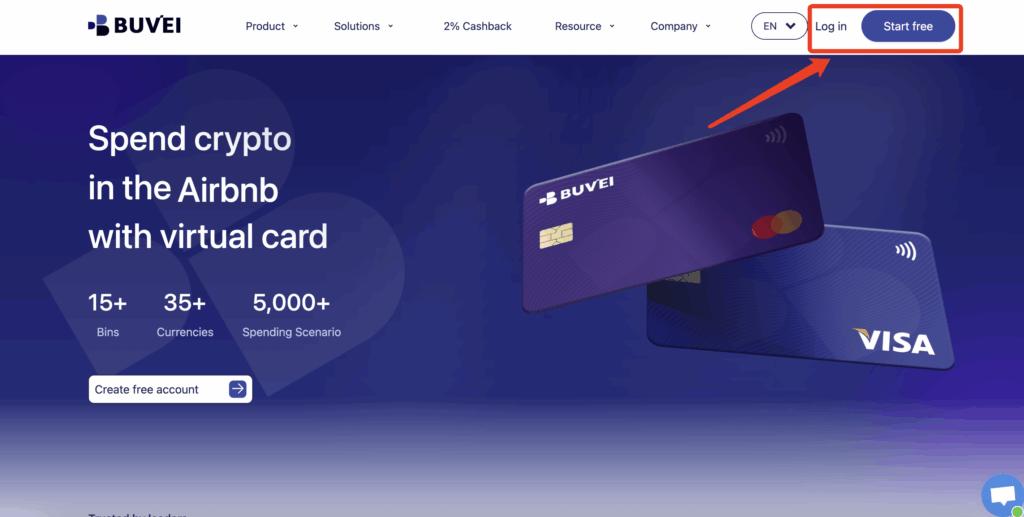
Step 1: Register a Buvei Account
-
Visit https://buvei.com
-
Create a free account
-
Complete email verification
-
Log in to access the Buvei dashboard
Step 2: Fund Your Account
-
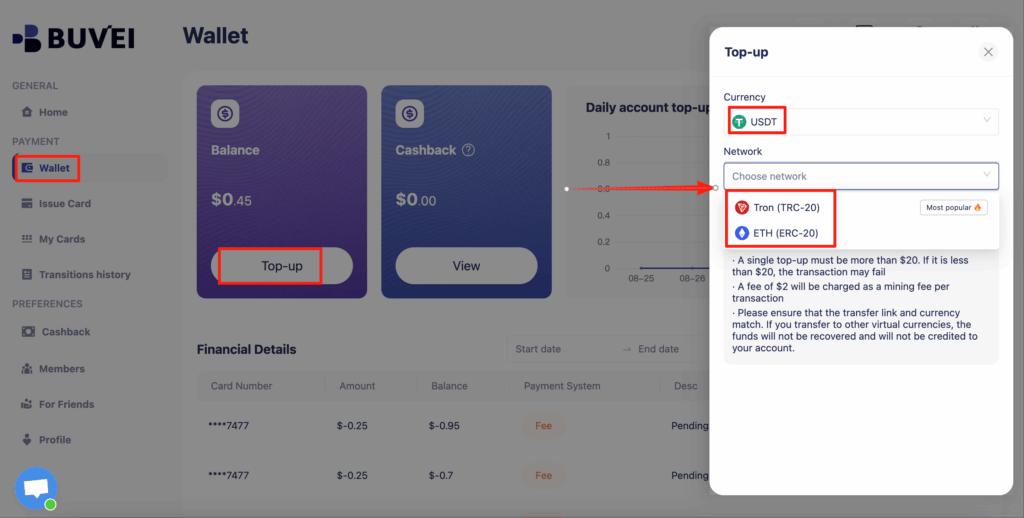
Go to the “Wallet” tab
-
Deposit using USDT (TRC20 or ERC20)
-
Copy your dedicated deposit address
-
Transfer funds to that address
-
After confirmation, your balance will appear in your wallet
Funds become available for card issuance immediately after confirmation.
Step 3: Create a Virtual Card
Go to the “Cards” tab
Select your preferred BIN region (US BIN is recommended for global compatibility)
Choose your card type
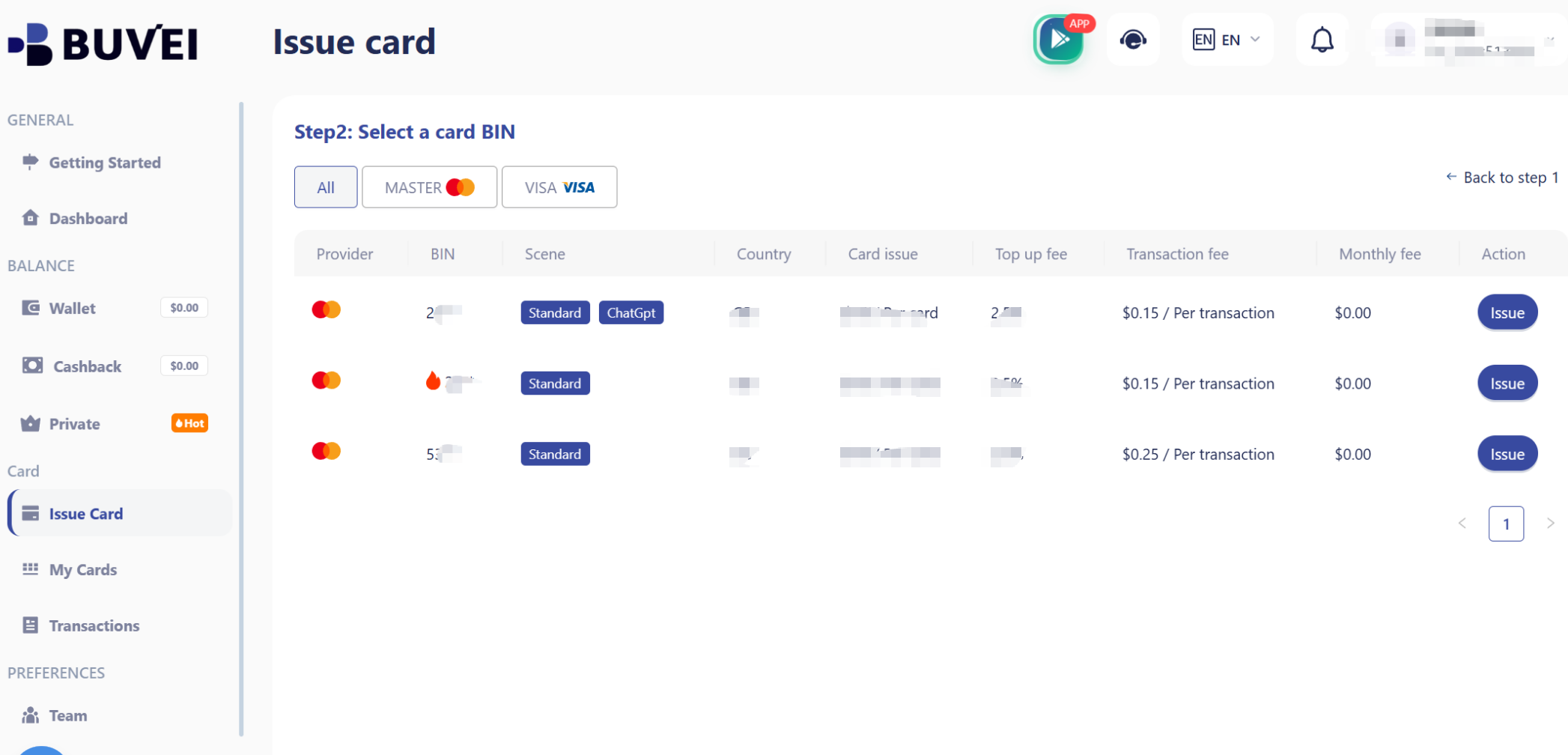
Click “Issue”
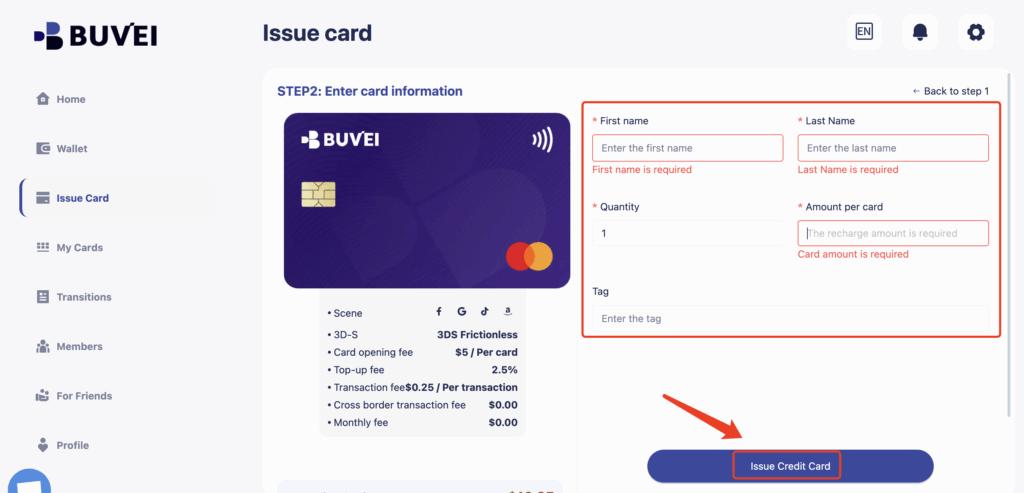
Fill in virtual card details:
-
-
Card name
-
Amount
-
Card quantity
-
Click “Issue Card”
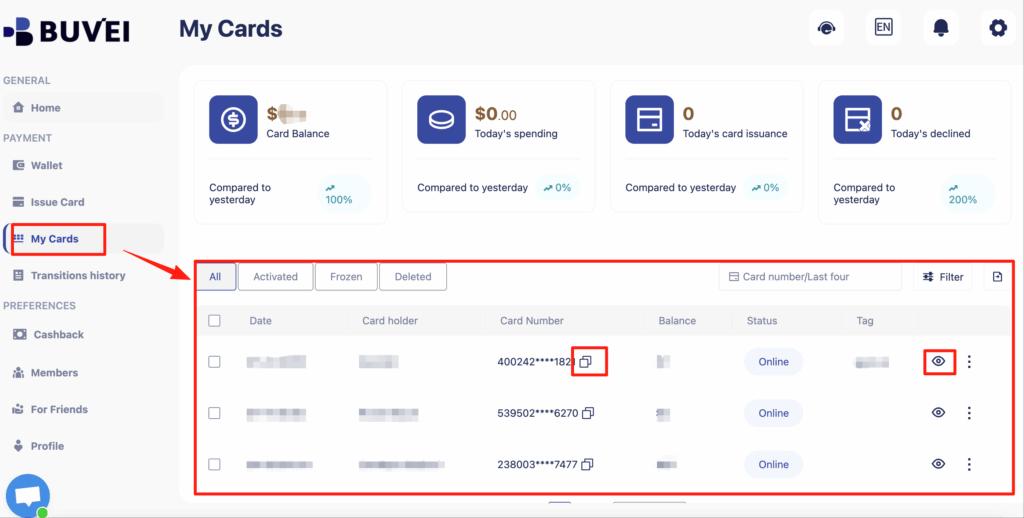
After creation, go to “My Cards” to view:
-
Card number
-
Expiry date
-
CVV
-
Recharge and spending overview
-
Full transaction history
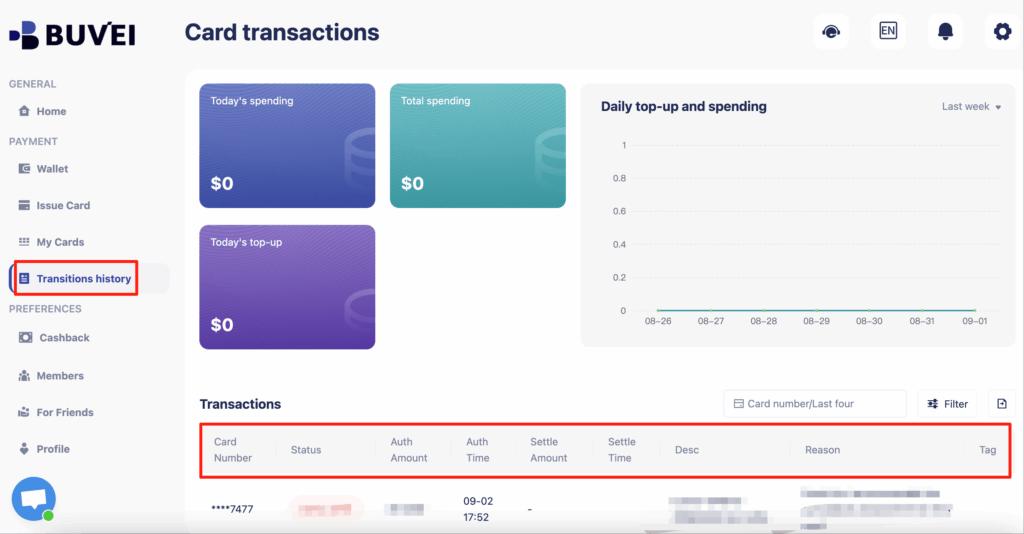
This dashboard allows users to manage multiple cards efficiently and monitor spending in real time.
Conclusion
In 2026, virtual cards are becoming an essential payment infrastructure for Dutch users engaging with global digital services. While local systems like iDEAL remain dominant for domestic transactions, international platforms require card-based payments.
Traditional fintech providers offer solid banking solutions, but users needing structured multi-card management, crypto funding options, and cross-border flexibility may benefit from specialized virtual card platforms.