Buying gift cards online is convenient, but it also carries risks. Fraudulent sellers, compromised codes, and payment disputes are increasingly common. In 2026, understanding how to purchase gift cards safely is essential for protecting your money.
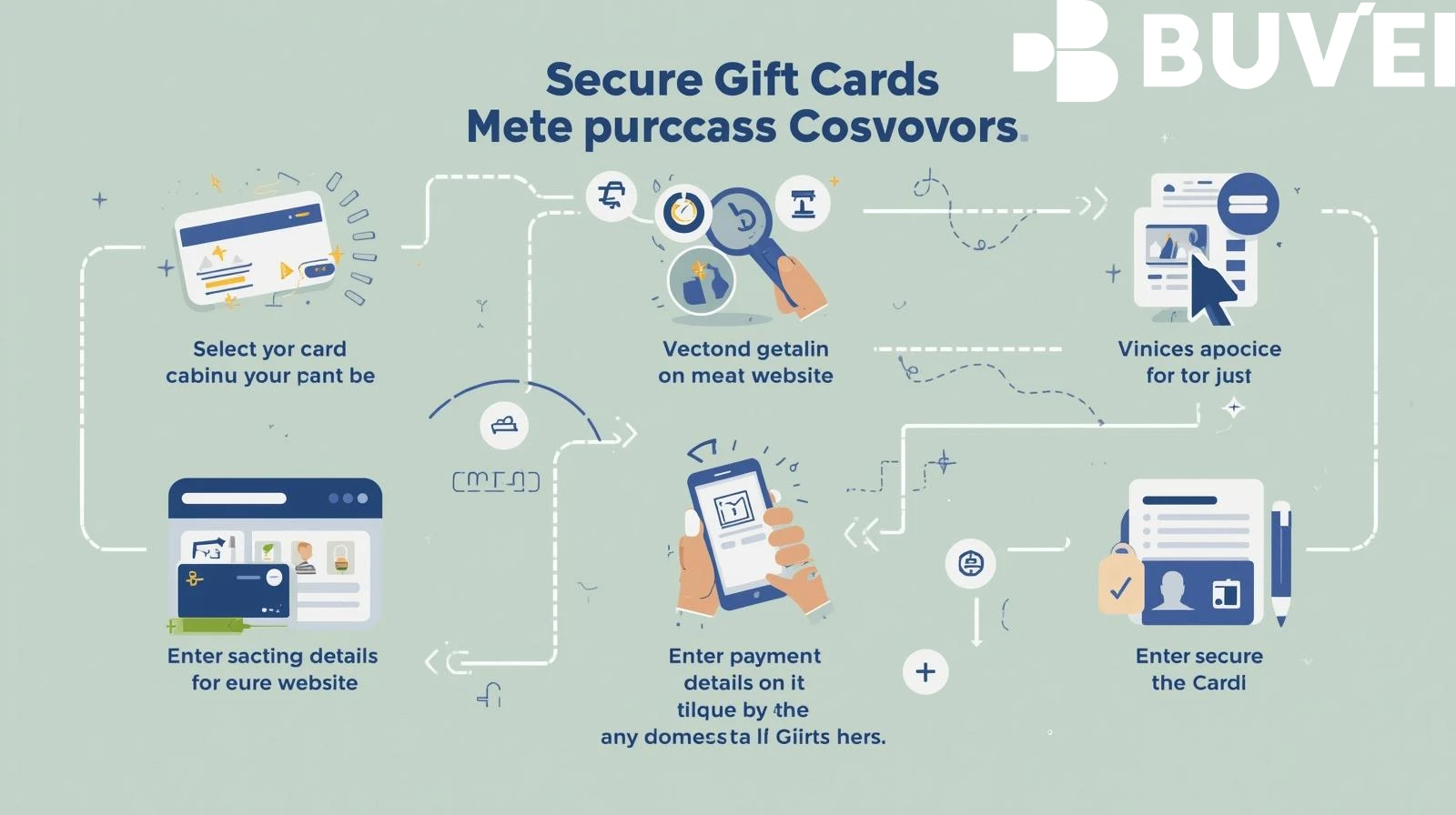
Risks of Buying Gift Cards Online
Gift cards are attractive targets for fraud because they are:
-
Prepaid and often non-refundable
-
Difficult to trace once redeemed
-
Frequently resold on third-party marketplaces
Common risks include:
Fake Gift Card Websites
Fraudulent sites mimic legitimate retailers.
Resold or Already-Redeemed Codes
Codes purchased from unofficial marketplaces may already be used.
Phishing and Social Engineering
Scammers may pressure buyers into purchasing gift cards for “urgent” payments.
Payment Disputes
Some payment methods offer limited buyer protection for digital goods.
These risks increase when purchasing from unknown sources.

How to Identify Legitimate Gift Card Sellers
To reduce fraud risk, follow these guidelines:
Buy Directly from Official Retailers
Purchase directly from brand websites or recognized marketplaces.
Verify Website Security
Ensure HTTPS encryption and legitimate domain spelling.
Avoid Deep Discounts
Significant price reductions on gift cards are often red flags.
Check Reviews and Reputation
Search for independent reviews and company registration details.
Use Secure Payment Methods
Avoid wire transfers or irreversible payment methods.
Buying directly from reputable platforms significantly lowers exposure to fraud.
Payment Methods That Reduce Fraud Risk
The way you pay for gift cards matters.
Credit or Debit Cards
Offer chargeback protection in many cases.
Trusted Payment Platforms
Well-established processors provide dispute resolution frameworks.
Virtual Cards
Provide additional security layers by:
-
Limiting spending amounts
-
Isolating transactions
-
Reducing exposure of primary banking details
Avoid:
-
Direct crypto transfers to unknown sellers
-
Bank transfers to individuals
-
Payment methods without buyer protection
Using controlled payment instruments helps reduce financial risk.
Why Gift Cards Sometimes Fail for Subscriptions
Many users buy gift cards intending to pay for subscriptions. However, gift cards often fail for:
Recurring Billing
Most subscriptions require a card that supports automatic renewal.
Identity Verification
Some services require cardholder verification matching the account profile.
Regional Restrictions
Gift cards may be region-locked.
Platform Limitations
Some services only accept Visa or Mastercard payments for subscriptions.
For example, platforms like Netflix or Spotify may accept gift cards in certain regions, but recurring billing still typically requires a valid payment card.
Because of these limitations, gift cards are often better suited for one-time purchases rather than long-term subscription management.
Using Buvei Virtual Cards as a Safer Alternative
For users who want more flexibility and security, virtual cards can be a structured alternative to gift cards.
Instead of purchasing prepaid codes from third parties, a virtual card allows:
-
Direct payment to official merchants
-
Controlled spending limits
-
Isolation from primary bank accounts
-
Support for recurring subscriptions
-
International compatibility
Buvei provides virtual cards designed for online payments, subscriptions, and digital services.
Key features include:
-
USDT (TRC20/ERC20) funding
-
Instant virtual card issuance
-
Adjustable card limits
-
Multi-card management
-
Dashboard monitoring of transactions
This approach reduces reliance on third-party gift card sellers while maintaining control over online spending.
Conclusion
Buying gift cards online can be safe when done through legitimate retailers and secure payment methods. However, third-party marketplaces and unofficial sellers carry significant fraud risk.
For subscriptions, recurring billing, and international online services, virtual cards often provide better security and compatibility than prepaid gift cards.
Understanding the risks and choosing structured payment tools is the key to safer digital spending in 2026.