In 2025, the EU's Markets in Crypto-Assets (MiCA) regulation is no longer just a framework on paper — it’s an active, enforceable law that’s reshaping how payment firms, stablecoin issuers, and crypto-native platforms operate across Europe and beyond.
For fintechs and payment infrastructure providers, understanding how MiCA affects licensing, stablecoin use, and payment compliance is now essential. Let’s explore the real-world implications — and how forward-looking firms like Buvei are preparing for a MiCA-compliant future.

What Is MiCA?
MiCA is the European Union’s first comprehensive regulation for crypto-assets, designed to provide legal clarity, investor protection, and financial stability within the digital asset space.
It covers:
-
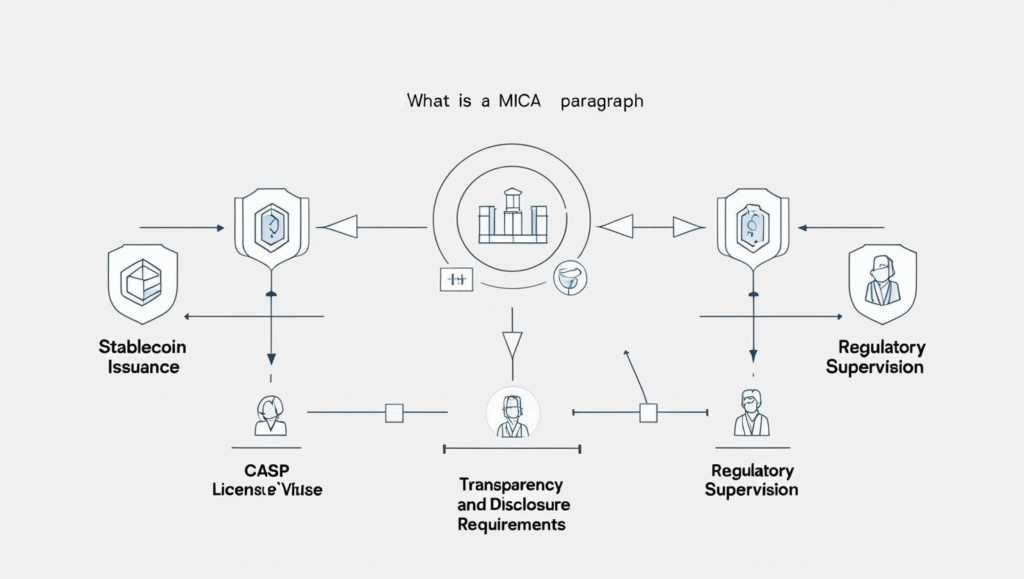
Issuance and governance of stablecoins (asset-referenced tokens and e-money tokens)
-
Licensing requirements for crypto-asset service providers (CASPs)
-
Disclosure and transparency obligations
-
Supervision by EU authorities like ESMA and EBA
MiCA was officially adopted in 2023 and entered into force in 2024–2025 across EU member states.
Key MiCA Impacts on Payment Firms
1. Stablecoins Become Heavily Regulated
Under MiCA, stablecoins used as means of payment — especially those pegged to fiat (like USDT or EUR-backed tokens) — must:
-
Be issued by authorized entities
-
Maintain full reserves
-
Provide real-time reporting to EU regulators
-
Limit daily transaction volumes if deemed "significant"
This dramatically raises the bar for stablecoin acceptance and issuance in EU-facing payment platforms.
💡 Buvei’s infrastructure supports stablecoin top-ups (e.g., TRC20, ERC20), but is built to integrate fiat conversion layers that remain compliant with evolving EU standards.
2. CASP Licensing Is Now Mandatory
Any company offering services such as:
-
Custody of crypto-assets
-
Operation of crypto trading platforms
-
Exchange between crypto and fiat
-
Execution of crypto-based payments
…must now register as a Crypto-Asset Service Provider (CASP) and meet capital, AML, and transparency requirements.
Payment firms that embed crypto features (e.g. USDT top-up + card spend) must either partner with or become a licensed CASP in the EU.
3. Marketing and Disclosures Are Under the Microscope
Promotional material for crypto-linked payment services must be:
-
Clear and not misleading
-
Include risk disclosures
-
Avoid unverified yield or performance claims
MiCA applies consumer protection rules similar to MiFID II — meaning fintech marketing teams need to rethink how they position products involving digital assets.
4. Cross-Border Compliance Gets Streamlined — and Stricter
MiCA introduces passporting rights, allowing licensed CASPs to operate across all EU states. However, it also means non-compliant services will be actively blocked.
For global payment firms like Buvei, this increases the importance of:
-
EU-compatible virtual cards
-
Region-specific routing and issuer compliance
-
Multi-jurisdictional tax + transaction reporting

The Bigger Picture: From Fragmented Regulation to Unified Standards
MiCA signals a broader global shift toward crypto normalization and integration into mainstream finance. Payment firms that embrace compliance early will be best positioned to:
-
Onboard institutional clients
-
Build EU-approved payment rails
-
Operate cross-border with confidence
TL;DR
-
MiCA enforces strict rules on stablecoins, crypto services, and marketing
-
Payment firms must align with CASP licensing and transparency standards
-
Buvei is building MiCA-ready infrastructure that bridges crypto and fiat in a compliant way
➡️ Want to stay ahead of the regulatory curve in crypto payments? Explore Buvei — the smart way to issue virtual cards, manage stablecoin funding, and scale in the MiCA era.