As the global demand for faster, smarter, and more flexible corporate payments rises, Mastercard is doubling down on B2B payment automation—a trend that holds powerful implications for businesses relying on virtual card infrastructure.
In a recent announcement, Mastercard unveiled new product features and integrations designed to streamline how companies initiate, authorize, and reconcile B2B payments. But what does this mean for fintech platforms like Buvei and for businesses running advertising, SaaS, or international payments through virtual cards?
Let’s break it down.

The Shift Toward B2B Payment Automation
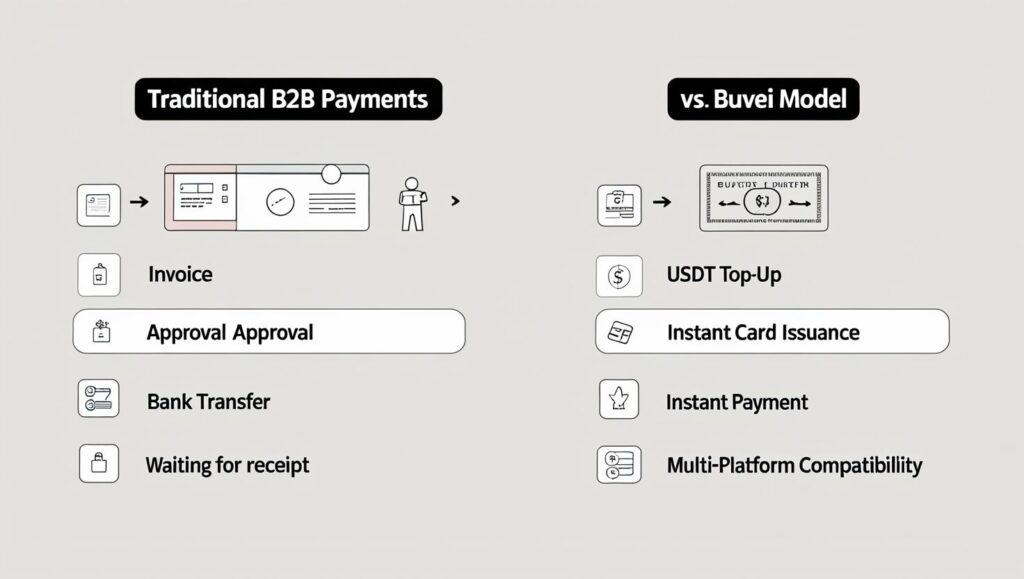
Traditionally, B2B payments have lagged behind consumer payments in terms of speed and innovation. Paper-based invoicing, manual approvals, and batch-based reconciliations still dominate, especially among small and mid-sized enterprises (SMEs).
Mastercard’s move signals a broader industry transition:
-
From manual to API-based payment flows
-
From single-point controls to real-time authorization
-
From siloed systems to integrated card, invoice, and ERP workflows
This evolution is not just about automation—it's about agility, global compatibility, and smarter spend management.
Why Virtual Cards Fit This Future Perfectly
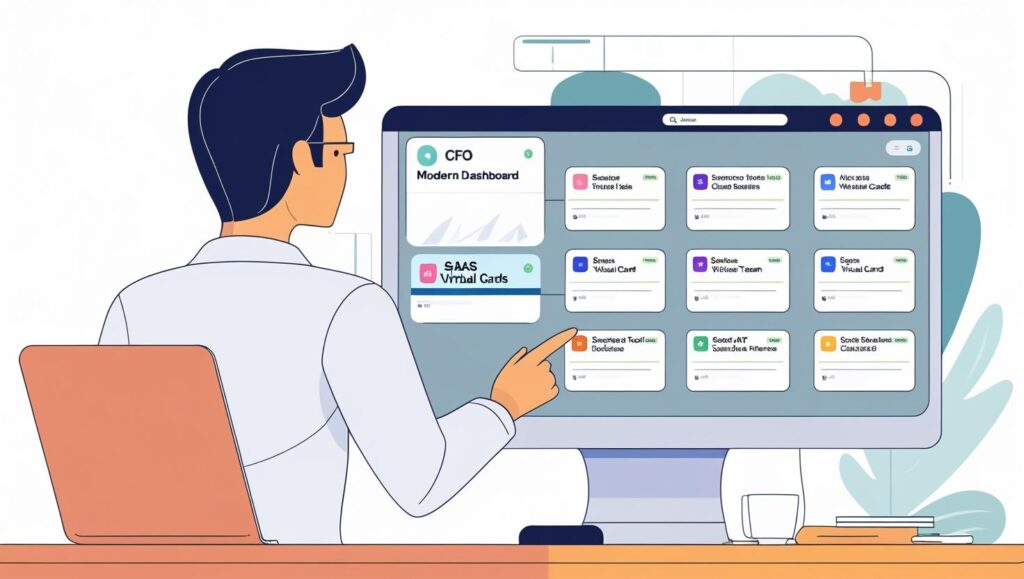
Virtual cards—especially programmable ones—are uniquely suited to thrive in this B2B transformation. Here’s why:
-
Real-time control: Set spend limits, merchant categories, or expiration rules per transaction.
-
Digital-first architecture: No plastic, no delay—ideal for SaaS payments, ad platforms, and remote teams.
-
Security and traceability: Every card is linked to a purpose, employee, or project, simplifying reconciliation.
-
Global reach: Paired with stablecoin funding like USDT, virtual cards become borderless financial tools.
At Buvei, these principles are already live.
Virtual Cards Built for Modern B2B Flows
While Mastercard scales automation infrastructure, Buvei focuses on empowering businesses with immediate, crypto-funded virtual cards designed for real-world spending.
Here's how Buvei fits into the B2B future:
-
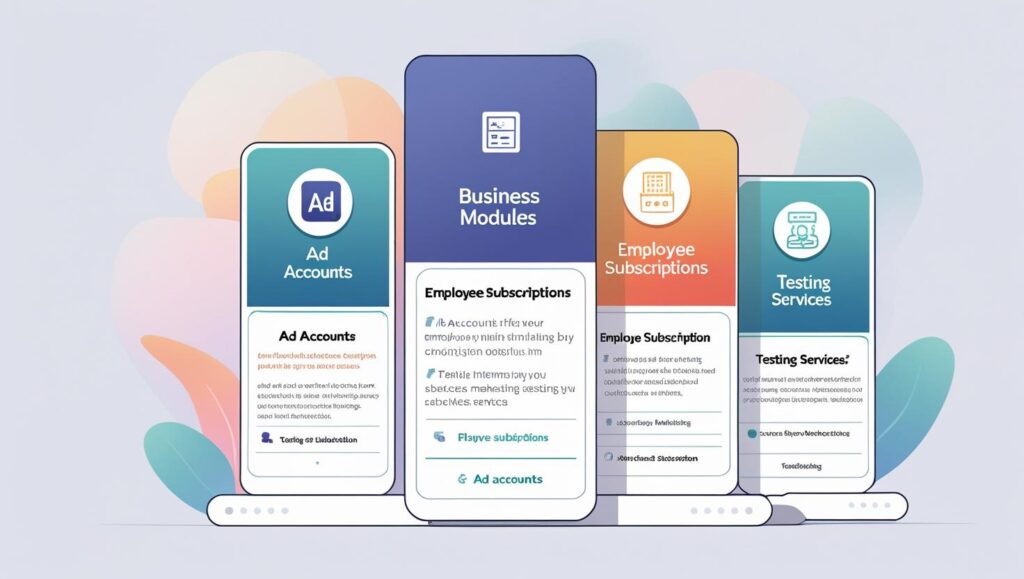
USDT-Powered Top-Ups Recharge your Buvei wallet with USDT (TRC20/ERC20) for real-time issuance—no banking delays, no FX friction.
-
Multiple BINs for Use-Case Optimization From Google Ads to Notion or Figma, Buvei cards offer compatibility for major SaaS and ad platforms.
-
No KYC Barrier for Small-Volume Users Issue cards instantly and start testing campaigns or new services without the onboarding friction.
-
Scalable Automation Use Buvei’s tagging and API capabilities to group expenses by department, client, or project—ideal for startups, agencies, and growing SaaS teams.
💡 Did You Know? Mastercard estimates that 90% of B2B payments globally are still made via traditional methods. Virtual cards are set to flip that script—faster than expected.
What This Means for SaaS Companies, Agencies, and Freelancers
If you run a global marketing operation, manage a distributed team, or resell SaaS tools, this is the moment to rethink your payment stack. Mastercard is building the rails—but agile players like Buvei help you move today.
Start with a virtual card for ad spend, SaaS subscriptions, or API credits. Manage your team’s budgets dynamically. Scale as you grow.
🚀 Ready to Join the B2B Automation Wave?
Whether you're spending $100 or $10,000, Buvei’s virtual card platform offers the flexibility, speed, and control you need to align with the next generation of B2B payments.