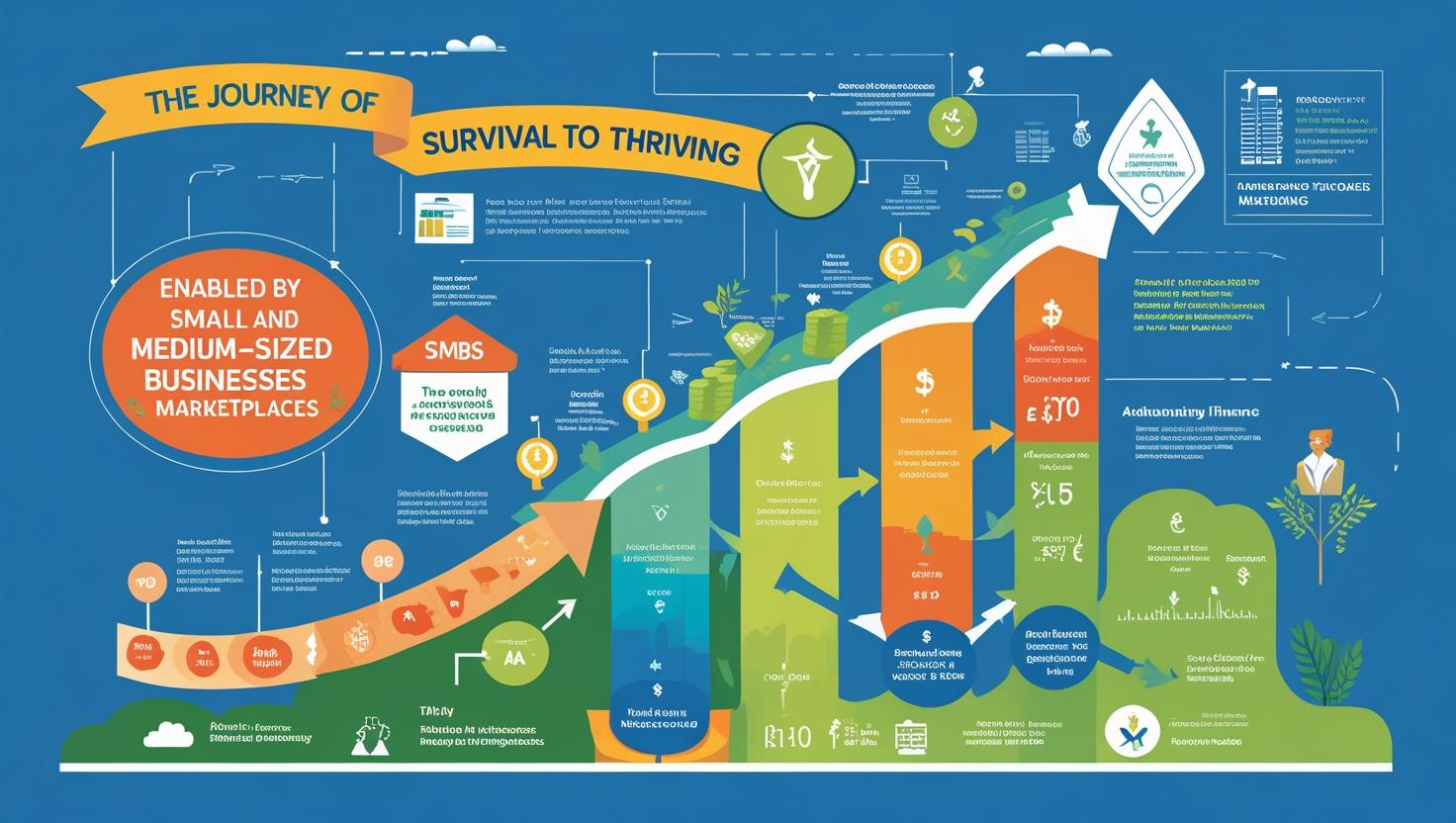
Small and medium-sized businesses (SMBs) are the backbone of the global economy, yet many still face significant hurdles in scaling their operations. Limited access to capital, rigid financial tools, and declining consumer loyalty have created a challenging environment. At the same time, customer expectations are evolving rapidly. Shoppers now demand seamless, personalized, and flexible payment experiences, leaving traditional models behind.
Marketplaces are uniquely positioned to solve these challenges by embedding financial solutions directly into their platforms. By integrating virtual cards, instant settlements, revenue-based financing, and personalized payment tools, marketplaces can empower SMBs with greater control over cash flow, more stable growth strategies, and stronger customer retention. Platforms like Buvei, a leading virtual card solutions provider, are already enabling these shifts with advanced financial technologies designed to meet both consumer and business needs.

The Power of Access to Capital for SMB Growth
For many SMBs, cash flow constraints are the number-one barrier to long-term sustainability. Traditional funding channels are often slow, burdensome, and inaccessible, especially for younger businesses without extensive credit histories. This gap in financial access forces companies into short-term decision-making that stifles growth.
Marketplaces that embed financial solutions can unlock this potential by offering:
-
Revenue-based financing – SMBs can secure capital proportional to their revenue streams, avoiding high-risk loans.
-
On-demand credit and instant settlements – Faster payouts help businesses reinvest in operations, inventory, and marketing.
-
Tailored financing – Personalized credit options lower risk compared to one-size-fits-all lending.
By embedding these options, marketplaces can fuel expansion, reduce payment delays, and lower financial risks, providing SMBs with the financial resilience needed to thrive.
The Customer Loyalty Challenge: Why Retention Matters
Consumer loyalty is in decline, making it harder for SMBs to secure repeat customers. Research shows:
-
57% of consumers are less loyal to brands than before the pandemic (Sitecore, 2021).
-
Two-thirds of customers who feel emotionally connected to a brand are more likely to repurchase (Zendesk, 2025).
-
Over 50% of consumers switch to competitors after just one negative experience (Zendesk, 2025).
This highlights the urgency for marketplaces to prioritize retention through financial empowerment. Embedded payments, reward programs, and personalized financing options create convenience and trust that drive loyalty.
By offering features like flexible payment methods, faster SMB payouts, and rewards-based card usage, marketplaces enhance user experience while building durable customer relationships. Platforms such as Buvei’s virtual card solutions make this process simple, secure, and scalable.
How Embedded Finance Strengthens Marketplaces
Beyond solving liquidity and loyalty issues, embedded finance creates a competitive advantage for marketplaces. By integrating financial tools directly into the platform, businesses and consumers experience greater efficiency and engagement.
Key benefits include:
-
Greater financial control – SMBs gain tools for managing funding, while consumers enjoy payment flexibility.
-
Personalized financial solutions – Tailored offers, embedded lending, and contextual rewards improve satisfaction.
-
Stronger loyalty – 72% of consumers stay loyal to brands offering personalized rewards (Big Commerce, 2022).
The strategic role of embedded finance extends beyond transactions—it reshapes the entire customer journey, transforming marketplaces into comprehensive ecosystems.
The Role of Virtual Cards in the Future of Marketplaces
Virtual cards are becoming an essential component of next-generation payment infrastructure. According to a January 2025 Marqeta study surveying 115,000 participants, customers with multiple financial products from the same provider are more likely to prioritize card spending within that ecosystem.
For marketplaces, this insight demonstrates the importance of offering financial products that seamlessly align with user habits. Virtual cards improve:
-
Security – Reducing risks of fraud with single-use or controlled-spend options.
-
Convenience – Enabling instant issuance for SMB expenses or consumer purchases.
-
Engagement – Encouraging repeat use through loyalty rewards and flexible credit.
This is where platforms like Buvei play a crucial role. BUVEI’s virtual card solutions empower marketplaces to issue branded, flexible cards tailored to both SMBs and consumers. By embedding modular financial tools, BUVEI helps businesses improve retention, manage cash flow, and scale securely without relying on third-party providers.
Conclusion
In today’s fast-changing digital economy, marketplaces must evolve beyond simple platforms for transactions. The next wave of growth lies in embedded financial solutions that empower SMBs and create rewarding experiences for consumers.
By integrating capital access, flexible financing, virtual cards, and personalized payment tools, marketplaces can shift SMBs from merely surviving to truly thriving. Platforms such as Buvei are already helping marketplaces achieve this transformation with modern, scalable, and secure financial technologies.
Ultimately, those that embrace embedded finance will not only secure sustainable growth but also strengthen customer loyalty in an increasingly competitive landscape.