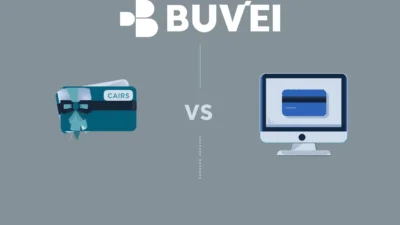
In the fast-paced financial ecosystem of 2026, the lines between "money," "credit," and "prepaid value" have blurred. As we move deeper into a cashless society, two primary tools have emerged as the leaders in non-traditional spending: Gift Cards and Virtual Cards.
While they may appear similar at a glance—both providing a digital code used for checkout—their underlying DNA is radically different. One is a product of retail marketing designed for one-off consumption; the other is a sophisticated financial instrument built for the programmable economy. This 5,000-word guide breaks down everything you need to know to navigate these tools effectively.
 What Are Gift Cards and How They Work?
Definition and Core Purpose
A gift card is a stored-value card, usually issued by a retailer or a bank, to be used as an alternative to cash for purchases within a particular store or related businesses. In 2026, while physical plastic still exists, the "e-Gift Card" or "Digital Code" dominates the market.
Types of Gift Cards
-
Closed-Loop Cards: These are the most common. They are merchant-specific (e.g., an Apple, Amazon, or Starbucks gift card). They can only be redeemed with the specific issuer.
-
Open-Loop Cards: These are typically branded by major networks like Visa or Mastercard. They are "open" because they can be used anywhere that network is accepted. However, they are still limited by their "non-reloadable" nature.
The Lifecycle of a Gift Card
The lifecycle is linear: Activation -> Spending -> Depletion. Once the balance reaches zero, the card is typically discarded. In the 2026 digital economy, gift cards are often sold at a discount on secondary exchanges, creating a "secondary currency" market used heavily by arbitrageurs and bargain hunters.
The Mechanics of Gift Card Networks
Gift cards operate on a "debit-style" rail but without a persistent link to a user's identity. When you buy a gift card, you are essentially pre-purchasing a liability from the retailer. The "breakage"—the industry term for unspent gift card balances—remains a multi-billion dollar profit center for major corporations.IWWhat Are Virtual Cards and Their Benefits?
Definition of the Virtual Card (2026 Standard)
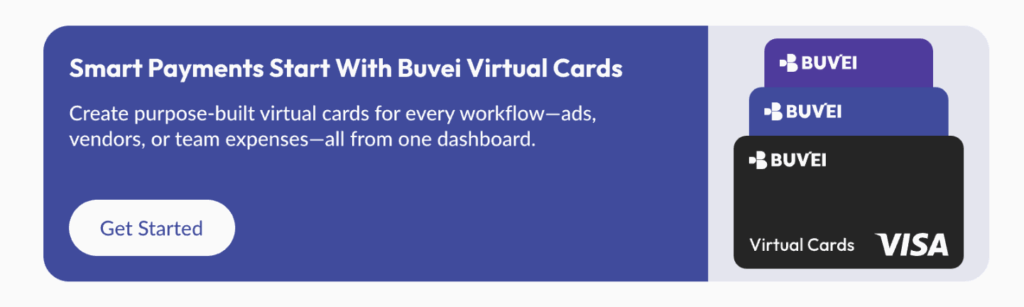
A virtual card is a digitally generated 16-digit payment card number, including a CVV and expiry date, that is linked to a live funding source (like a bank account, a crypto wallet, or a corporate line of credit). Unlike a gift card, a virtual card is a dynamic financial tool.
Core Benefits: Beyond Simple Payments
-
Security & Risk Isolation: Virtual cards act as a firewall. You can create a "Merchant-Locked" card that only works at one specific store. If that store is breached, the card cannot be used elsewhere.
-
Programmable Spending: In 2026, users can set "hard caps" or "single-use" parameters. You can generate a card that automatically deletes itself after one $20 transaction.
-
Privacy: While linked to your identity for KYC (Know Your Customer) purposes, the merchant only sees the virtual card's details, not your primary banking information.
The Technical Infrastructure of Virtual Issuance
Virtual cards rely on Tokenization. When a platform issues a virtual card, it creates a unique token that represents the underlying account. In 2026, this technology has become so efficient that users can generate 100 cards in seconds via API, a feat impossible with gift cards.
Key Differences Between Gift Cards and Virtual Cards
This section highlights the fundamental technical and functional divides.
| Feature | Gift Cards | Virtual Cards |
| Reloadability | Usually Non-Reloadable | Highly Reloadable |
| Identity Link | Anonymous / Low KYC | Verified Identity (KYC Required) |
| Acceptance | Merchant-Specific or Network-Limited | Universal Network Acceptance |
| Recurring Billing | Poor (Often rejected for SaaS) | Excellent (Built for subscriptions) |
| Expiration | Often expires/Fees apply | User-controlled or 2-5 year standard |
| Funding Source | Upfront Cash/Credit Purchase | Live Bank/Crypto/Credit Link |
Ownership vs. Possession
With a gift card, you possess the value. If you lose the code, the money is gone. With a virtual card, you own an account. If the card number is compromised, you simply delete the card and generate a new one without losing your underlying balance.
The Compliance Landscape: KYC vs. Anonymous Spending
The biggest difference in 2026 is regulation. Gift cards are often limited in value (e.g., max $500) to prevent money laundering. Virtual cards, being fully compliant financial instruments, allow for much higher limits (often up to $100,000+ for business accounts) because the issuer knows exactly who is spending the money.
When to Choose Virtual Cards Over Gift Cards
While gift cards are excellent for "one-way" value transfers (like birthdays), virtual cards are the superior choice for Operational Spending.
Choosing Virtual Cards for Control
If you are managing a household or a business, virtual cards allow you to track every cent in real-time. You can assign a specific card to your "Netflix" subscription and another to "Amazon Shopping." This prevents one overcharge from affecting your other payments.
Choosing Gift Cards for Simplicity
Gift cards remain the winner for true anonymity in small transactions or for gifting to someone who doesn't want to go through a financial sign-up process.
Use Case Scenarios: SaaS, Travel, and Ad Spending
SaaS and Subscription Management
In 2026, many AI services (OpenAI, Claude, Midjourney) have aggressive billing cycles. If you use a gift card, the subscription will likely fail on the second month because gift cards cannot handle "pre-authorization holds" effectively. Virtual cards are designed specifically for this.
Digital Advertising (Meta, Google, TikTok)
For media buyers, gift cards are useless. Ad platforms require a "persistent" payment method. Virtual cards allow agencies to isolate ad spend per client, ensuring that if one client's card fails, the entire agency account isn't banned.
How Buvei Virtual Cards Offer Superior Flexibility
In the 2026 landscape, Buvei has emerged as the bridge between the simplicity of a gift card and the power of a commercial-grade virtual card.
Bridging the Crypto-Fiat Gap
The primary limitation of traditional virtual cards is that they require a legacy bank account. Buvei solves this by allowing users to fund their virtual cards with USDT/USDC. This gives you the "instant funding" feel of a gift card with the "universal acceptance" of a high-authority US Visa/Mastercard.
Why Buvei Wins on Flexibility:
-
Instant Issuance: No waiting for a plastic card. Generate and spend in under 5 minutes.
-
High-Authority BINs: Unlike many prepaid gift cards that are blocked by Netflix or OpenAI, Buvei cards use Commercial/Business BINs that pass through high-security payment filters.
-
Global Liquidity: Fund from anywhere in the world and spend at any US merchant. This makes Buvei the "Global Gift Card" that actually works everywhere.
 The Future of Digital Payments in 2026 and Beyond
We are moving toward a "Programmable Money" era. In the next few years, the distinction will fade even further as "Smart Gift Cards" (gift cards that can be topped up with crypto) become common. However, the virtual card will remain the king of the "Prosumer" market due to its integration with accounting software and AI-driven expense management.
Conclusion & Final Verdict
The choice between a gift card and a virtual card depends entirely on your intent:
-
Use a Gift Card if you want to give a simple present or make a one-time, anonymous small purchase at a specific retailer.
-
Use a Virtual Card (like Buvei) if you need to manage subscriptions, scale a business, protect your privacy online, or spend your digital assets at any merchant worldwide.
In 2026, the virtual card is no longer a luxury; it is a fundamental security tool for anyone transacting on the internet.