In 2026, the German payment landscape is defined by Sovereignty and Verification. The market has moved beyond simple credit cards into a sophisticated multi-rail environment.
-
The Dominance of Wero: Launched by the European Payments Initiative (EPI), Wero has become the pan-European alternative to US-based networks. In Germany, Wero integration is now a mandatory feature for virtual card platforms, allowing for instant account-to-account (A2A) transfers in under 10 seconds via SEPA Instant.
-
Wallet-First Checkout: Apple Pay and Google Pay have captured over 60% of online transaction volume in Germany. Virtual cards act as the "secure token" fueling these wallets, providing a layer of isolation between the merchant and the user’s primary bank account.
-
eIDAS 2.0 & Digital ID: The rollout of the EU Digital Identity Wallet (EUDI) by November 2026 has streamlined KYC (Know Your Customer). German users can now open virtual card accounts in seconds by sharing their government-verified digital ID, eliminating the need for tedious video-ident procedures.
-
Instant Refunds as Standard: German consumers now expect refunds within 60 seconds. Platforms that don't support instant credit back to the virtual card are rapidly losing market share.
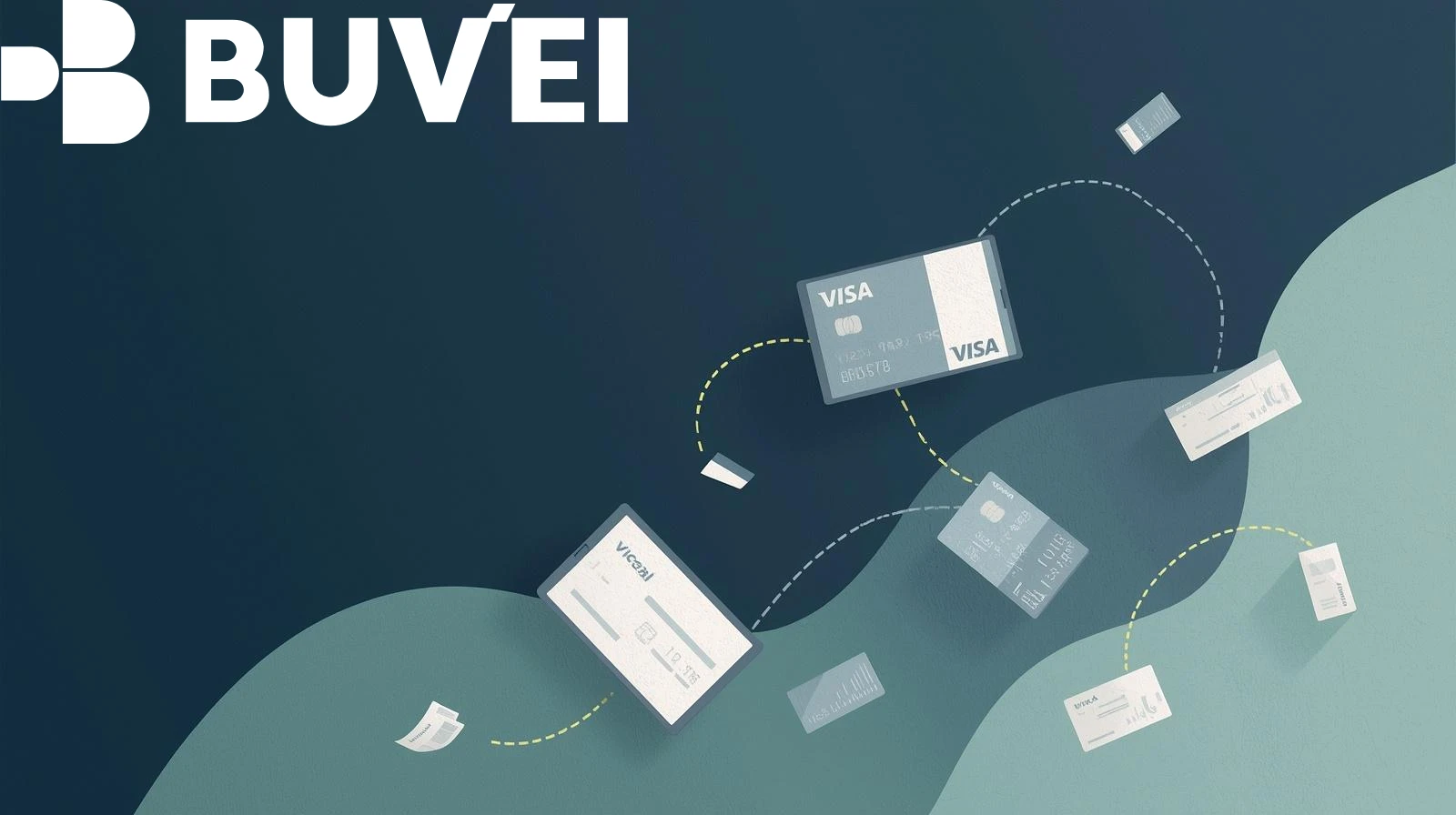 Why Virtual Cards Are Popular in Germany
The surge in VCC adoption in Germany is a direct result of the local culture's emphasis on Datenschutz (Data Protection) and Accounting Precision.
I. The Privacy Shield (Datenschutz)
German users are notoriously private. Virtual cards allow them to generate a "Single-Use" or "Merchant-Locked" card for every vendor (e.g., Amazon.de, Otto, or Zalando). This ensures that a data breach at a single retailer never exposes their primary salary account.
II. The "Mittelstand" Efficiency Drive
For Germany’s small and medium enterprises (SMEs), virtual cards have solved the "Receipt Gap."
-
Automated Reconciliation: Instead of employees sharing one physical corporate card and losing receipts, every employee has a unique virtual card.
-
Zero-Admin Finance: The card automatically prompts the user via a mobile push notification to snap a photo of the receipt the moment the transaction occurs.
III. Social & Benefit Disbursement
The German government has transitioned to virtual "Bezahlkarte" systems for social benefits, and employers now use Sachbezug (tax-free benefit) cards to distribute monthly perks like lunch or transit subsidies digitally.
Key Features to Look for in German Platforms
When evaluating a German platform in 2026, four technical features are non-negotiable for industrial-grade performance.
I. DATEV Integration (The "Golden Rule")
DATEV is the backbone of German accounting. Any virtual card platform targeting German businesses must have a DATEV Buchungsdatenservice interface. This allows transaction data and digital receipts to flow directly into the tax advisor's (Steuerberater) software without manual export.
II. German IBAN (DE Prefix)
While EU law forbids IBAN discrimination, having a DE IBAN is still a major advantage for reliability with local German authorities and utility providers. It ensures that SEPA Direct Debits and transfers are never "soft-declined" by legacy German systems.
III. Wero & SEPA Instant Support
The platform must be part of the Wero ecosystem to allow for instant liquidity movement. If you fund your virtual card via a German bank (like Sparkasse or Deutsche Bank), the funds should appear in your virtual wallet in under 10 seconds.
IV. High-Authority BINs
To avoid "Fraud Flags" on international platforms, the virtual cards must carry Commercial Credit BINs. This is critical for German agencies spending five or six figures on Meta or Google Ads, where a "Prepaid" flag can lead to instant account suspension.
Top Platforms in the German Market (2026)
| Platform | Best For | Key 2026 Feature |
| Moss | Mittelstand & SMEs | Industry-leading DATEV automation and VAT extraction. |
| Qonto | Freelancers & Startups | Native German IBAN and integrated invoicing tools. |
| Payhawk | Enterprise & Multi-national | Advanced multi-level approval workflows for large teams. |
| PST.NET | Media Buying / Ads | High-trust US/EU Commercial BINs with high ad-spend limits. |
| Wise Business | Global FX / Expats | The lowest markups for EUR/USD/GBP currency conversion. |
Common Use Cases: SaaS, Ads, and Subscriptions
I. Digital Advertising (Ads)
German marketing agencies use virtual cards to silo risk. By assigning a unique card to every client’s Facebook or Google Ad account, they ensure that a billing issue with one client doesn't cause a "Chain Reaction" ban across their entire agency portfolio.
II. SaaS Governance
The "Abofalle" (Subscription Trap) is a major concern. German businesses use Hard-Cap virtual cards for tools like SAP, Salesforce, or Slack. If the software provider attempts to raise the price without notice, the transaction fails, giving the CFO the power of "active consent."
III. Global Subscriptions
For services billed in USD (like OpenAI or many US-based SaaS), German companies use virtual cards from Wise or Airwallex to pay from a USD "Pocket." This bypasses the typical 3% currency conversion fee charged by traditional German banks like Volksbank.
 Summary: The New Standard of German Finance
In April 2026, the German virtual card market is no longer a niche for tech enthusiasts; it is the Strategic Firewall for every competitive German business. By integrating DATEV for compliance, Wero for speed, and Commercial BINs for authority, German platforms have created a global benchmark for what "Software-Defined Finance" should look like.