Executive Summary: A dramatic shift in mining economics has forced publicly traded Bitcoin miners to sell more BTC in the first quarter of 2026 than in the entirety of 2025. Despite strong spot prices, record-low "hashprice" levels are pushing major players like Marathon and Riot to liquidate reserves to maintain liquidity and fund pivots into AI infrastructure.
 The Great Miner Capitulation of 2026
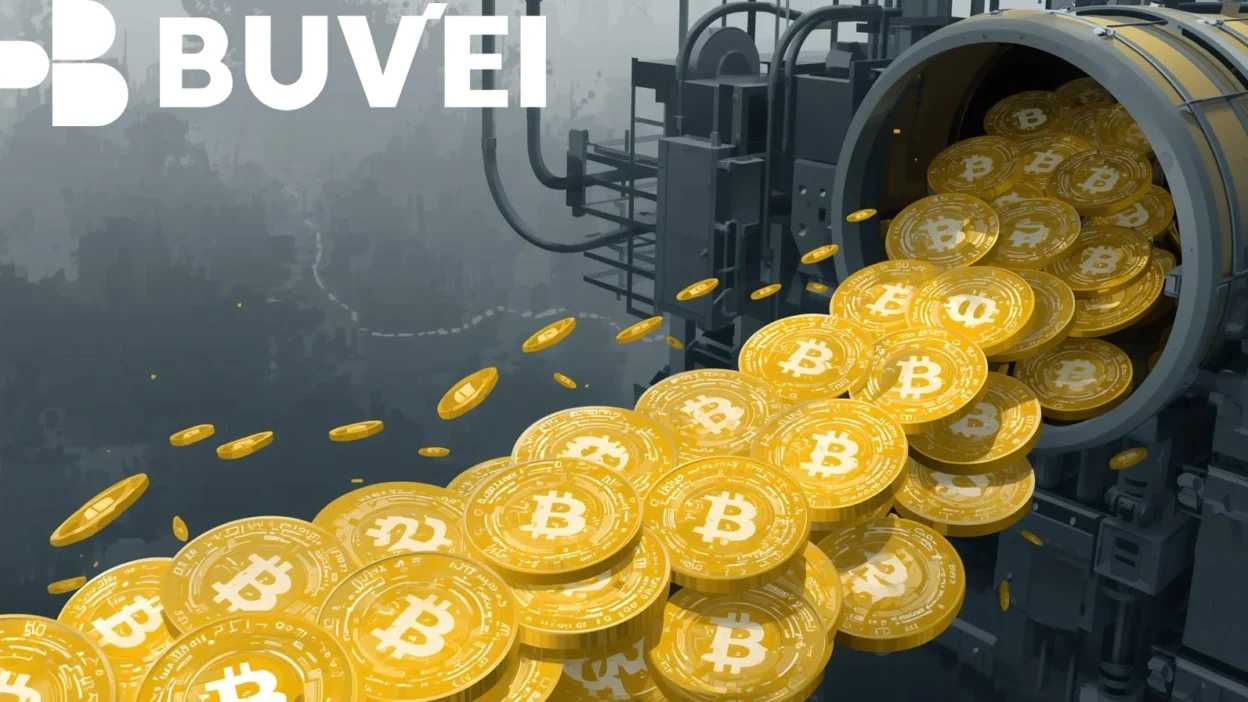
Data from the first quarter of 2026 reveals a startling reversal in miner behavior. Publicly traded mining firms—including giants such as Marathon, CleanSpark, Riot, Core Scientific, and Bitdeer—liquidated more than 32,000 BTC in just three months.
To put this in perspective, this sell-off exceeds the total net sales for all of 2025 and even surpasses the panic selling seen during the 2022 market turmoil. Just over a year ago, these same firms were in accumulation mode, adding nearly 17,600 BTC to their balance sheets. Today, the priority has shifted from "HODLing" to survival.
Why High Prices Aren't Saving Miners
While Bitcoin’s price remains above previous cycle peaks, the "Hashprice"—a measure of expected mining revenue per unit of computing power—has plummeted to near record lows of $30 per PH/s/day.
This squeeze is driven by several critical factors:
-
Rising Network Difficulty: As more global computing power joins the network, the competition for each block intensifies.
-
Lower Block Rewards: Post-halving economics have permanently reduced the daily BTC production available to miners.
-
Thinning Margins: For operators using older hardware or facing rising electricity costs, the cost to produce one Bitcoin is dangerously close to its market value.
The Great Divide: Sellers vs. Accumulators
The industry is currently splitting into two distinct camps based on operational efficiency:
-
The Sellers: Firms like Riot Platforms and Bitdeer are leveraging their BTC reserves as a liquidity source. Riot notably sold approximately $200 million worth of Bitcoin to finance day-to-day operations and accelerate its strategic expansion into Artificial Intelligence (AI) infrastructure.
-
The Accumulators: In contrast, American Bitcoin Corp (ABTC), the mining arm of Hut 8, has managed to build reserves of over 7,000 BTC. With an all-in cash cost of roughly $55,000 per Bitcoin, ABTC maintains enough margin to hold its production rather than selling into the market.
 Pivoting to AI: The New Mining Frontier
The most significant trend of 2026 is the "re-pricing" of miners as AI infrastructure providers. Core Scientific, backed by a $1 billion deal from Morgan Stanley, is leading the charge in converting traditional data centers into high-performance computing (HPC) hubs for AI.
By diversifying revenue streams away from pure Bitcoin production, these firms are attempting to decouple their stock performance from the volatility of hashprice, offering a more stable value proposition to Wall Street investors.
Efficiency Over Expansion
With margins under fire, the era of "growth at any cost" has ended. Private operators are increasingly focusing on:
-
Ultra-Low-Cost Power: Utilizing flared natural gas to achieve minimal power costs.
-
Software Optimization: Using fleet-management tools to squeeze maximum hash rate from existing hardware.
-
Liquidity Management: Shifting from holding BTC as a primary asset to using it as an active source of operational capital.