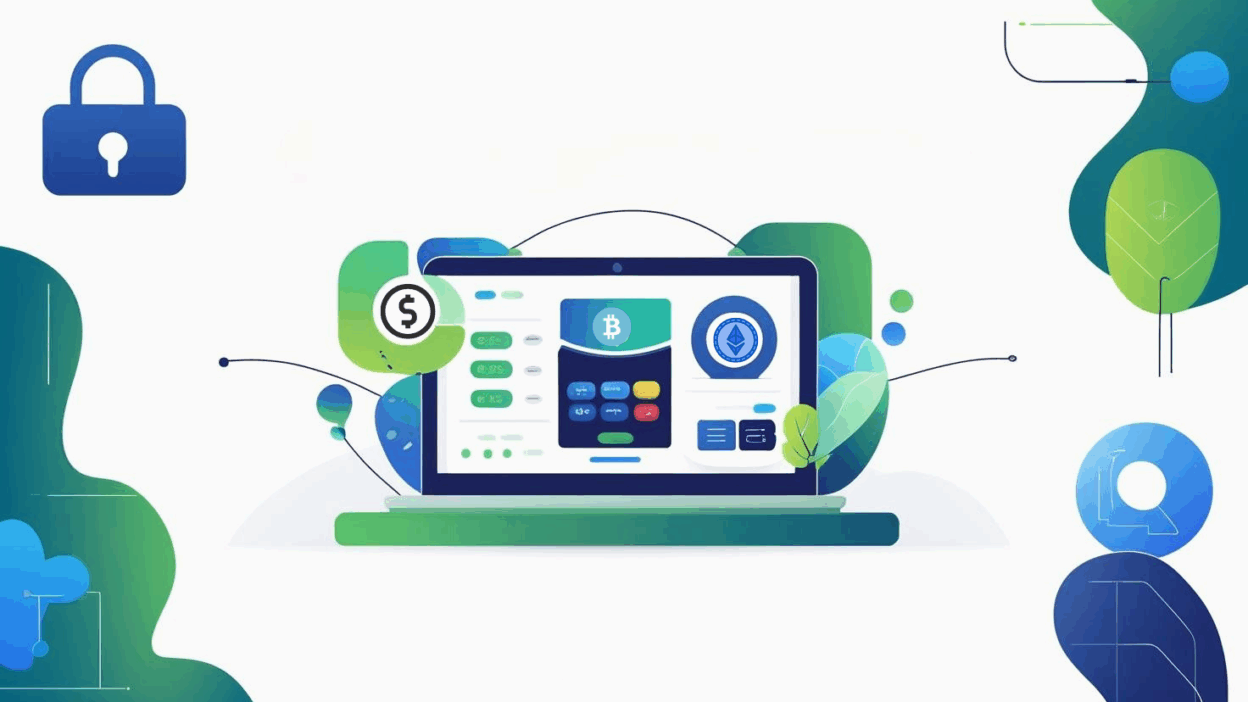
With the rapid rise of blockchain technology and digital assets, Crypto-Asset Service Providers (CASPs) have become an indispensable part of the modern payment ecosystem. These providers are not only accelerating the digital transformation of payment infrastructure but also playing a key role in compliance, security, and user experience.
What Are CASPs?
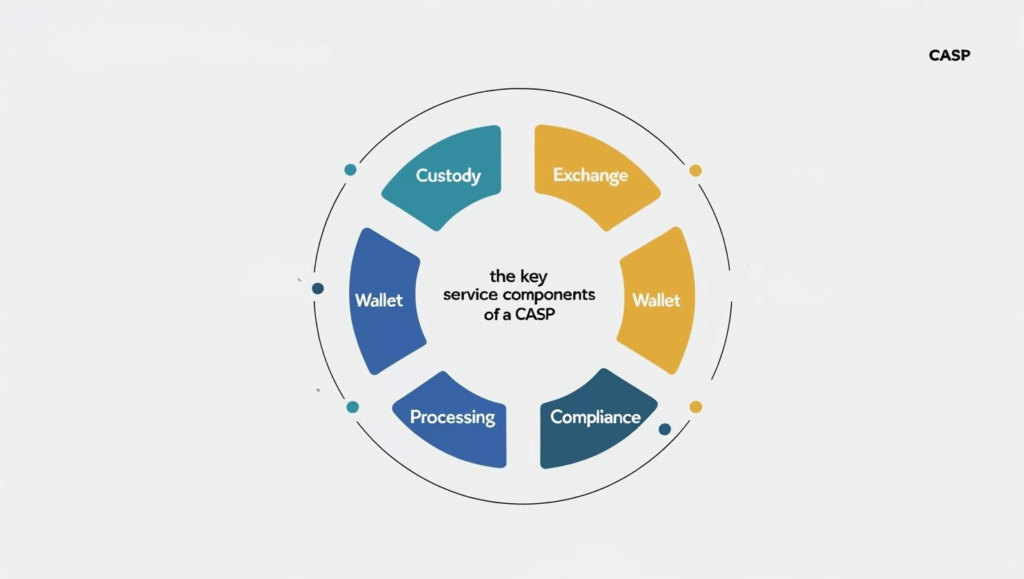
CASPs refer to organizations or platforms that provide services related to crypto-assets, including:
-
Custody and secure storage of crypto-assets
-
Digital asset exchange and conversion
-
Processing and settlement of crypto payments
-
Wallet services and portfolio management
-
Regulatory compliance, including AML and KYC enforcement
These services provide businesses and individuals with a secure, efficient, and legally compliant way to engage with digital assets and payment systems.

The Core Value of CASPs in the Payment Sector
-
Driving the Adoption of Crypto Payments CASPs enable practical applications of digital currencies by offering wallet support, payment gateways, and on/off ramps, allowing users to pay and settle across borders with minimal friction.
-
Enhancing Compliance and Risk Management Given tightening global regulations, CASPs play a critical role in enforcing Know Your Customer (KYC), Anti-Money Laundering (AML), and data protection policies — safeguarding the legitimacy of payment activity.
-
Enabling Payment Innovation Through Technology Leveraging blockchain and smart contracts, CASPs are introducing programmable payments, instant settlement, and transparent audit trails, leading to more secure and cost-efficient transactions.
-
Bridging Traditional Finance and the Crypto Ecosystem By collaborating with banks, gateways, and fiat issuers, CASPs provide seamless fiat-to-crypto conversion and help integrate digital assets into the mainstream financial system.
-
Improving User Trust and Experience CASPs contribute to higher payment success rates and stronger trust through transparent fees, real-time confirmations, and robust security layers.
FAQ: CASPs and Payments
Q1: What’s the difference between CASPs and traditional PSPs?
A1: CASPs specialize in services around crypto-assets (custody, conversion, crypto payments), while traditional PSPs focus on fiat transactions. CASPs must also meet stricter blockchain-specific regulatory requirements.
Q2: How do CASPs ensure payment security?
A2: CASPs apply end-to-end encryption, cold wallet storage, multi-factor authentication, and real-time transaction monitoring to prevent fraud and asset loss.
Q3: Why is regulatory compliance so critical for CASPs?
A3: Without compliance (KYC, AML, etc.), CASPs risk being blocked by regulators or banks. Compliance builds trust with customers and enables long-term business growth.
Q4: How does Buvei support cross-border payment challenges for CASPs?
A4: Buvei’s multi-currency virtual cards and programmable APIs allow CASPs to manage localized rules, reduce FX cost, and streamline compliance for international payments.
Q5: What’s next for CASPs in the payment landscape?
A5: CASPs will increasingly integrate with traditional finance, leverage AI for smarter compliance, and help scale global adoption of crypto-based payments through secure, regulated infrastructure.
How Buvei Empowers the CASP Ecosystem
As a leading virtual card and payment infrastructure provider, Buvei understands the technical and regulatory challenges CASPs face. Our solution helps CASPs deliver better, safer payment services through:
-
Multi-currency virtual card issuance, with spending controls and smart authorization rules.
-
Real-time risk control and dynamic rule configuration to stay ahead of compliance demands.
-
Open API integration for seamless system interoperability.
-
Global payment readiness, with crypto top-ups and programmable card behavior tailored for CASP needs.
Buvei helps CASPs build payment systems that are programmable, compliant, and ready for global scale.