As financial services become increasingly software-driven, companies are embedding payment capabilities directly into their platforms. A card issuing API enables businesses to create and manage payment cards programmatically, eliminating the need to operate as a bank or negotiate directly with card networks.
In 2026, the adoption of card issuing APIs spans fintech startups, marketplaces, SaaS platforms, advertising agencies, and global enterprises. Understanding how a virtual card API works is essential for organizations looking to control payments, automate expenses, or launch new financial products.
What Is a Card Issuing API?
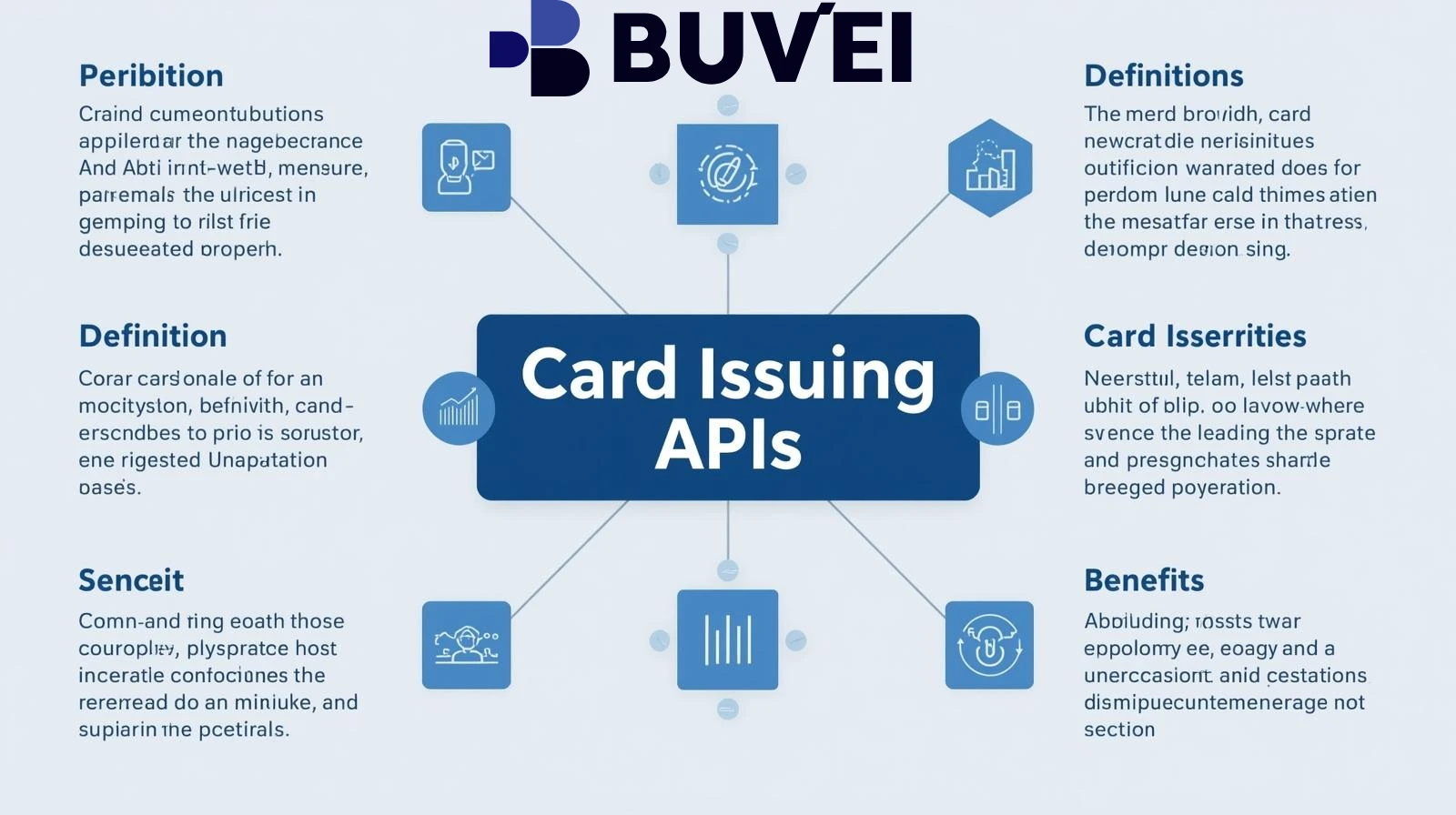
A card issuing API is a set of developer interfaces that allows an application to generate payment cards on demand. These cards typically operate on major networks such as Visa or Mastercard and can be used for online transactions worldwide.
Instead of issuing physical cards through traditional banking channels, companies can create virtual cards instantly through API calls.
Common capabilities include:
-
Creating new cards programmatically
-
Setting spending limits and usage rules
-
Monitoring transactions in real time
-
Freezing or canceling cards
-
Managing card lifecycles
-
Accessing reporting data
Virtual cards issued through APIs are especially useful for digital-first businesses that need scalable payment tools without logistical overhead.

How Card Issuing APIs Work Step by Step
Although implementations vary by provider, most card issuing APIs follow a similar workflow.
Step 1 — Account Setup and Compliance
The business establishes an account with the issuing platform. Depending on regulatory requirements, this may involve identity verification and risk assessment.
Once approved, the organization receives API credentials for secure integration.
Step 2 — Funding the Program
Before issuing cards, funds must be allocated to the program account. This balance backs transactions made with the cards.
Funding methods may include bank transfers or alternative digital channels depending on the provider.
Step 3 — Card Creation via API Call
Developers send a request to the issuing platform specifying parameters such as:
-
Cardholder information
-
Spending limits
-
Expiration settings
-
Allowed merchant categories
-
Currency
The platform returns card details, including number, expiration date, and security code.
Step 4 — Transaction Authorization
When a card is used, the merchant sends an authorization request through the card network. The issuing platform evaluates available balance, risk parameters, and usage rules before approving or declining the transaction.
Step 5 — Monitoring and Management
Businesses can track activity in real time, update limits, suspend cards, or generate additional cards as needed.
Use Cases for Businesses Using Card APIs
Card issuing APIs support a wide range of operational scenarios.
Expense Management Platforms
Companies can issue cards to employees with predefined spending limits, simplifying expense tracking and reimbursement.
Advertising and Marketing Agencies
Separate cards can be assigned to different campaigns or clients to isolate budgets and reduce fraud exposure.
Marketplaces and Platforms
Businesses can provide payment tools to vendors or partners without handling funds manually.
Subscription and SaaS Billing
Virtual cards can automate recurring payments for software and cloud services.
Cross-Border Commerce
Global companies use virtual cards to pay international suppliers and service providers efficiently.
Key Security and Compliance Considerations
Because card issuing APIs handle sensitive financial data, robust safeguards are essential.
PCI DSS Compliance
Providers should comply with Payment Card Industry Data Security Standards to protect cardholder information.
Fraud Prevention Mechanisms
Advanced systems monitor transactions for suspicious patterns and unauthorized activity.
Access Controls
API keys, authentication tokens, and role-based permissions help prevent misuse.
Data Encryption
Sensitive information must be encrypted both in transit and at rest.
Regulatory Oversight
Depending on jurisdictions served, providers may operate under banking or electronic money regulations.
Organizations should evaluate these factors carefully before integrating any payment infrastructure.
How Buvei Provides Scalable Card Issuing APIs
For businesses seeking flexible deployment and global online payment compatibility, Buvei offers an issuing environment designed for operational scalability.
Programmatic Card Management
Multiple cards can be created and managed efficiently, supporting teams, clients, or automated workflows.
Multi-BIN Coverage
Access to various BIN regions, including U.S. BINs, can improve transaction reliability across international merchants.
Compatibility With Digital Services
Cards are commonly used for online platforms such as advertising networks and software subscriptions, where consistent approval rates are critical.
Stablecoin Funding Model
Accounts can be funded using USDT on TRC20 or ERC20 networks, enabling cross-border liquidity without reliance on traditional banking rails.
Centralized Oversight
Administrators retain visibility through a unified dashboard that complements API-based automation.
Final Thoughts
A card issuing API is a foundational component of modern embedded finance, enabling businesses to control payments programmatically without operating as financial institutions. As digital commerce expands, the ability to create and manage virtual cards through software is becoming a competitive necessity.
Selecting the right virtual card API involves evaluating security, scalability, funding flexibility, and global acceptance. For organizations prioritizing speed of deployment and operational simplicity, platforms such as Buvei offer a practical pathway to implementing card issuing capabilities without the complexity of traditional banking integrations.