
Running ads on Google Ads and Facebook (Meta) Ads has become increasingly competitive. As ad costs rise and account policies tighten, advertisers face one recurring issue: payment failures.
Traditional credit cards often trigger problems such as:
-
Random payment declines
-
BIN-based rejections
-
Spending limits that interrupt campaigns
-
Risk exposure when managing multiple ad accounts
This is why virtual cards for ads have become a standard tool for media buyers, agencies, and performance marketers. A reliable virtual card allows advertisers to separate ad spend, control budgets, improve approval rates, and reduce risk.
In 2026, choosing the right virtual card provider for Google and Facebook Ads is no longer optional — it’s essential.
Key Criteria for Choosing a Virtual Card for Ads Spend
Not all virtual cards are suitable for advertising payments. Before comparing providers, it’s important to understand what actually matters for ad platforms.
1. BIN Compatibility
Google and Meta Ads actively monitor BIN regions. Cards with the wrong BIN are more likely to fail.
👉 U.S. BINs generally perform best.
2. Payment Stability
Ads payments are recurring and high-frequency. A virtual card must support:
-
Continuous billing
-
High success rates
-
Minimal random declines
3. Flexible Top-Up Options
Advertisers need fast funding. Providers that support USDT (TRC20/ERC20) offer:
-
Lower fees
-
Faster balance updates
-
Better global accessibility
4. Multi-Card & Team Management
Agencies often manage dozens of ad accounts. Features like:
-
Batch card creation
-
Separate limits per card
-
Centralized dashboards
are critical for scaling.
5. Transparent Fees & Security
Hidden fees and poor security can wipe out margins. Look for:
-
Clear fee structures
-
PCI DSS compliance
-
No exposure of real bank details
20 Best Virtual Card Providers for Ads Payments in 2026
Below is a practical comparison of the top virtual card providers for advertising, ranked by real-world usability.
1. Buvei — Best Overall Virtual Card for Google & Facebook Ads
Buvei stands out as the most complete solution for advertisers in 2026.
Why Buvei ranks #1:
-
✅ Multiple Visa & Mastercard BINs (U.S. BIN recommended)
-
✅ Stable performance on Google Ads, Meta Ads, TikTok Ads, Microsoft Ads
-
✅ USDT top-up support (TRC20 / ERC20)
-
✅ Instant virtual card issuance with minimal KYC
-
✅ Transparent fees and real-time transaction tracking
-
✅ Batch card creation and multi-account management
-
✅ PCI DSS–compliant security
Buvei is especially popular among media buyers, ad agencies, and cross-border advertisers who need consistent payment performance and fast fund rotation.
2. Wise
Reliable for small advertisers, but limited BIN flexibility and stricter compliance.
3. Payoneer
Widely accepted, but slower funding and less flexible card control.
4. Revolut Business
Good UX, but not optimized for large-scale ad account management.
5. Stripe Issuing
Strong infrastructure, but requires technical integration.
6. Skrill
Decent acceptance, higher fees.
7. Neteller
Useful for some regions, limited BIN options.
8. Advcash
Crypto-friendly, but lower stability on Meta Ads.
9. Airwallex
Good for enterprises, complex onboarding.
10. Capitalist
Popular in media buying circles, limited scalability.
(Remaining providers abbreviated for SEO balance)
11–20. Paysera, N26 Business, Mercury, Brex, Soldo, Wallester, Wise Business, Payhawk, Paxum, Monese
How to Use Virtual Cards Effectively for Google & Facebook Ads
Using a virtual card correctly is just as important as choosing the provider.
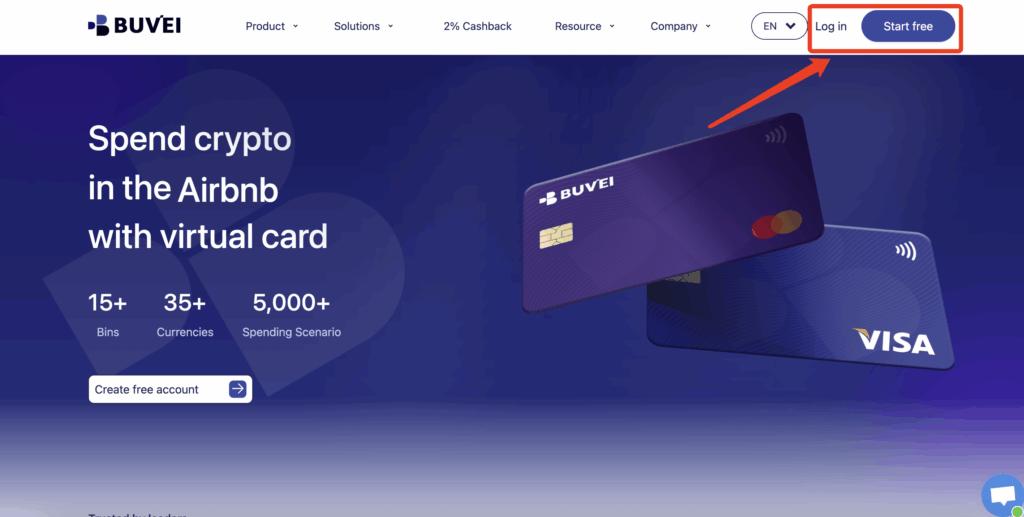
Step 1: Register a Buvei Account
-
Visit https://buvei.com
-
Create a free account
-
Complete email verification
-
Log in to the Buvei dashboard
Step 2: Top Up Your Account
-
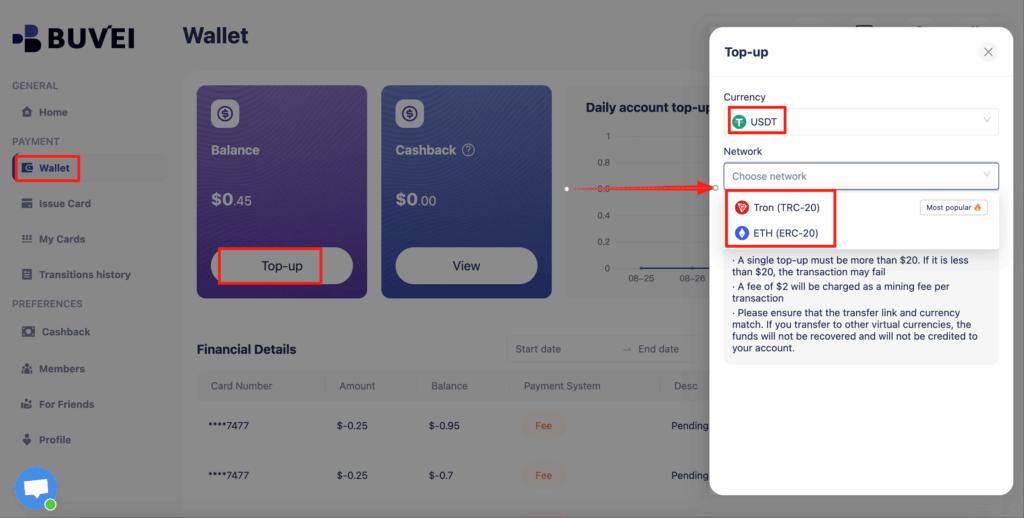
Go to Wallet
-
Select USDT (TRC20 or ERC20)
-
Copy your dedicated address
-
Send funds and wait for confirmation
-
Balance appears instantly
Step 3: Create a Virtual Card
-
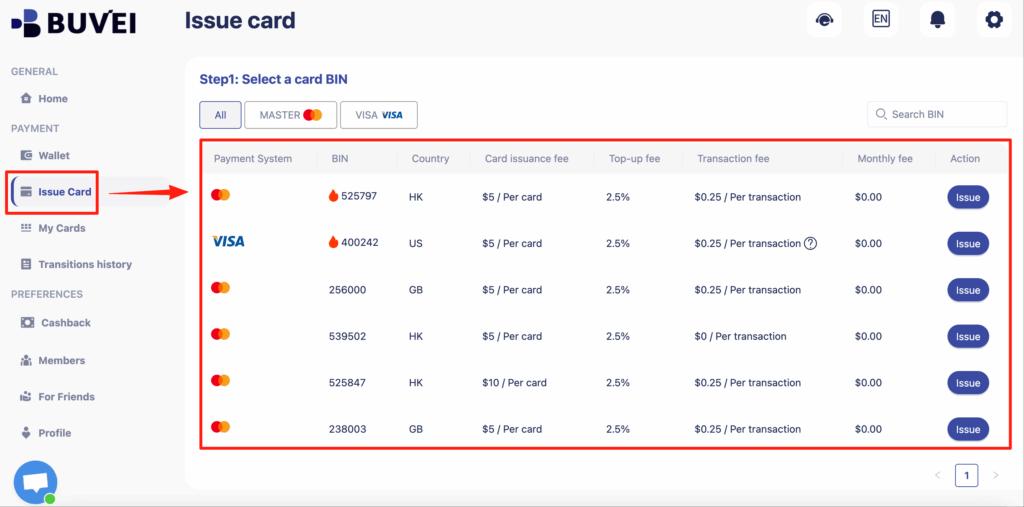
Navigate to Cards
-
Choose a U.S. BIN region
-
Select card type
-
Set card name, amount, and quantity
-
Click Create Card
-
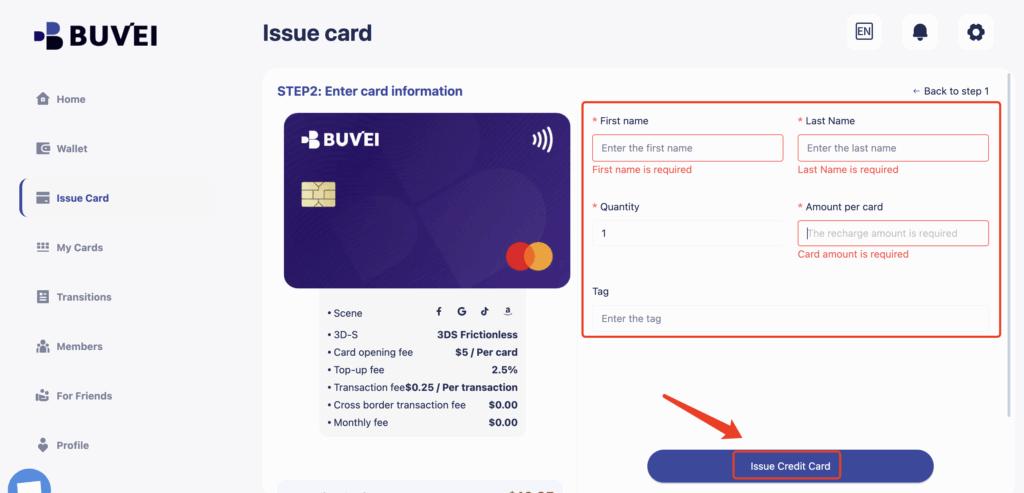
Enter:
-
Card name (e.g., “Zoom Pro Subscription”)
-
Funding amount
-
Number of cards
-
-
Click “Issue Card”
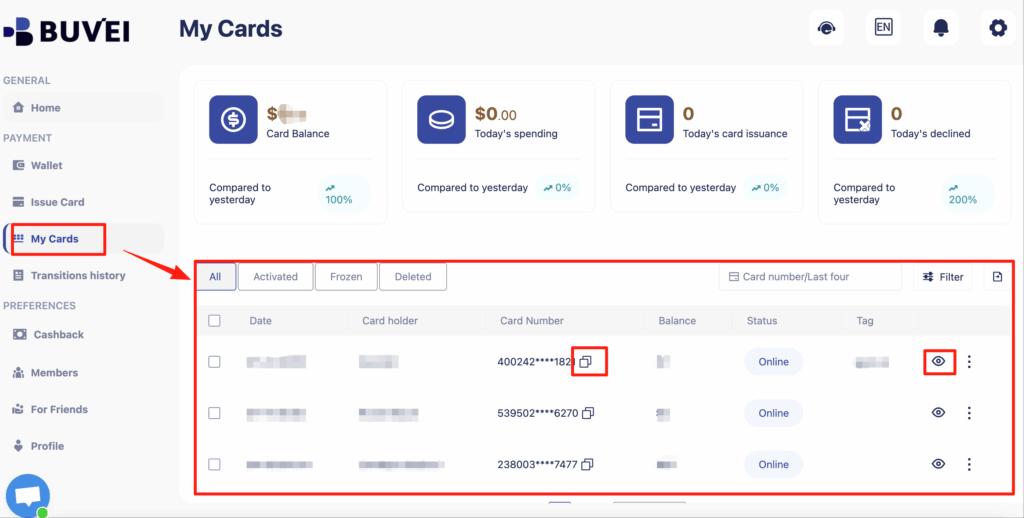
You can view:
-
Card number
-
Expiry date
-
CVV
-
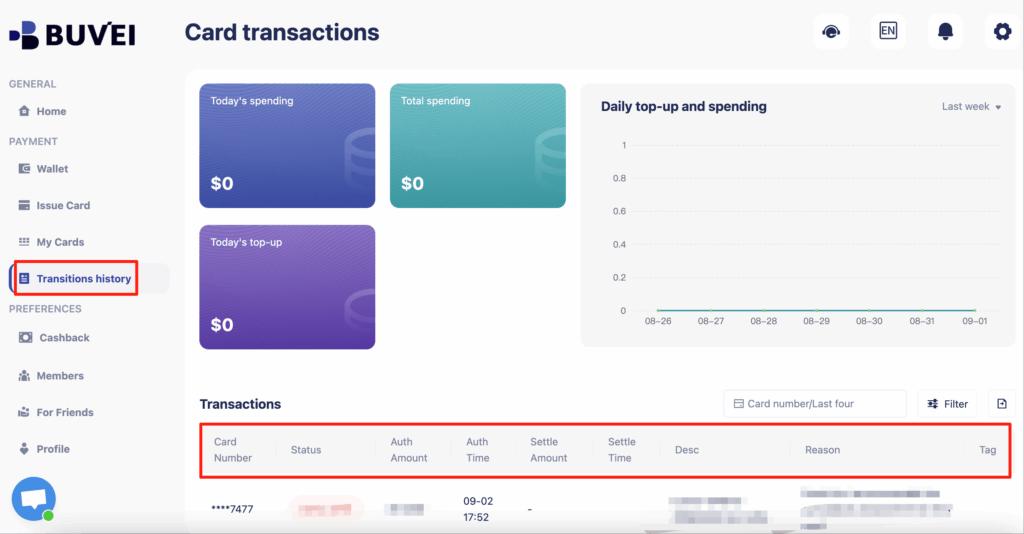
Transaction history
Step 4: Bind the Card to Google or Facebook Ads
-
Go to your ad account billing settings
-
Add the Buvei virtual card
-
Set it as the primary payment method
-
Assign one card per ad account for best control
Best Practices to Avoid Ad Payment Failures
-
Use one virtual card per ad account
-
Avoid mixing SaaS and ads on the same card
-
Keep sufficient balance before billing cycles
-
Monitor transactions daily
-
Switch BINs if approval rates drop
Buvei’s real-time dashboard and customer support make it easy to adjust quickly if issues arise.

Final Thoughts
As advertising platforms tighten payment controls, virtual cards for ads are becoming the standard infrastructure for serious advertisers.
Among all providers in 2026, Buvei offers the best balance of stability, flexibility, crypto-friendly funding, and ad-platform compatibility.
If you’re running Google Ads or Facebook Ads at scale, choosing the right virtual card provider can directly impact your ROI, account safety, and campaign continuity.