Navigating the Digital Turn: Germany's Transition from Cash to Virtual Tokens
Germany has historically been a "cash is king" society, but 2026 marks a historic turning point. The dominance of the domestic Girocard is fading as German e-commerce, global SaaS tools, and the rise of AI-driven commerce demand a level of flexibility that traditional German banks (Sparkassen and Commerzbank) struggle to provide. Today, virtual cards are the primary security layer for millions of German users.
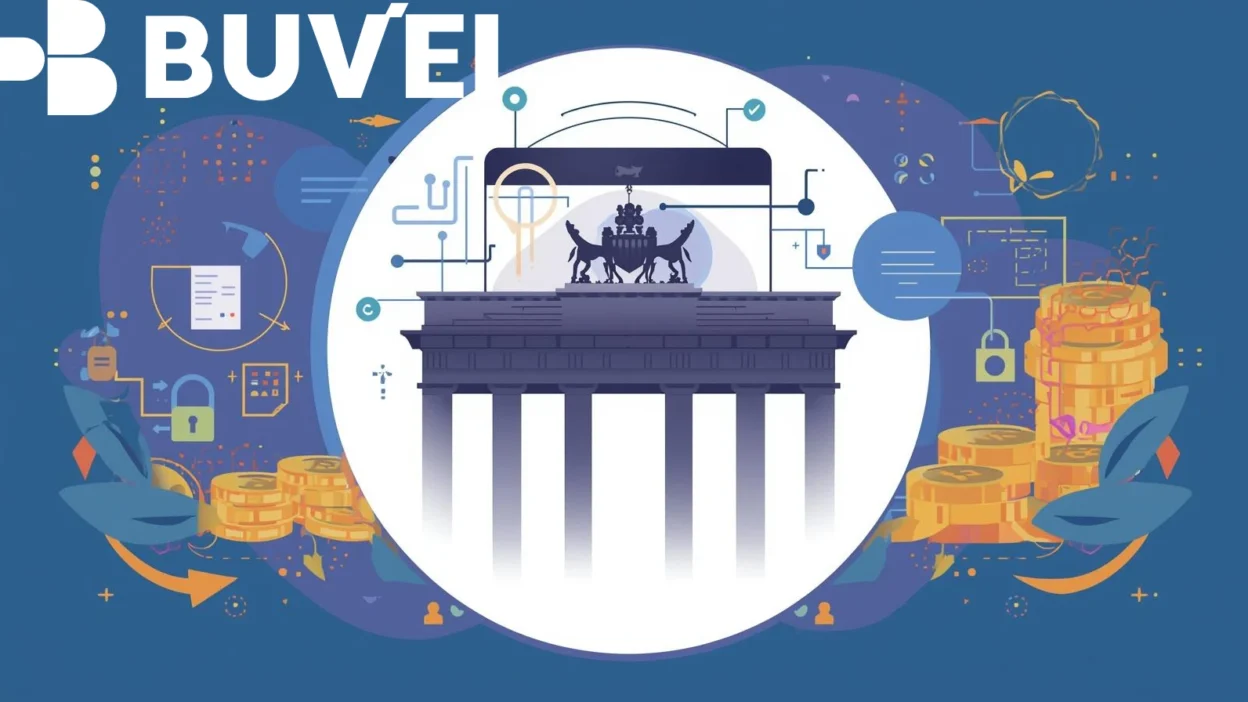
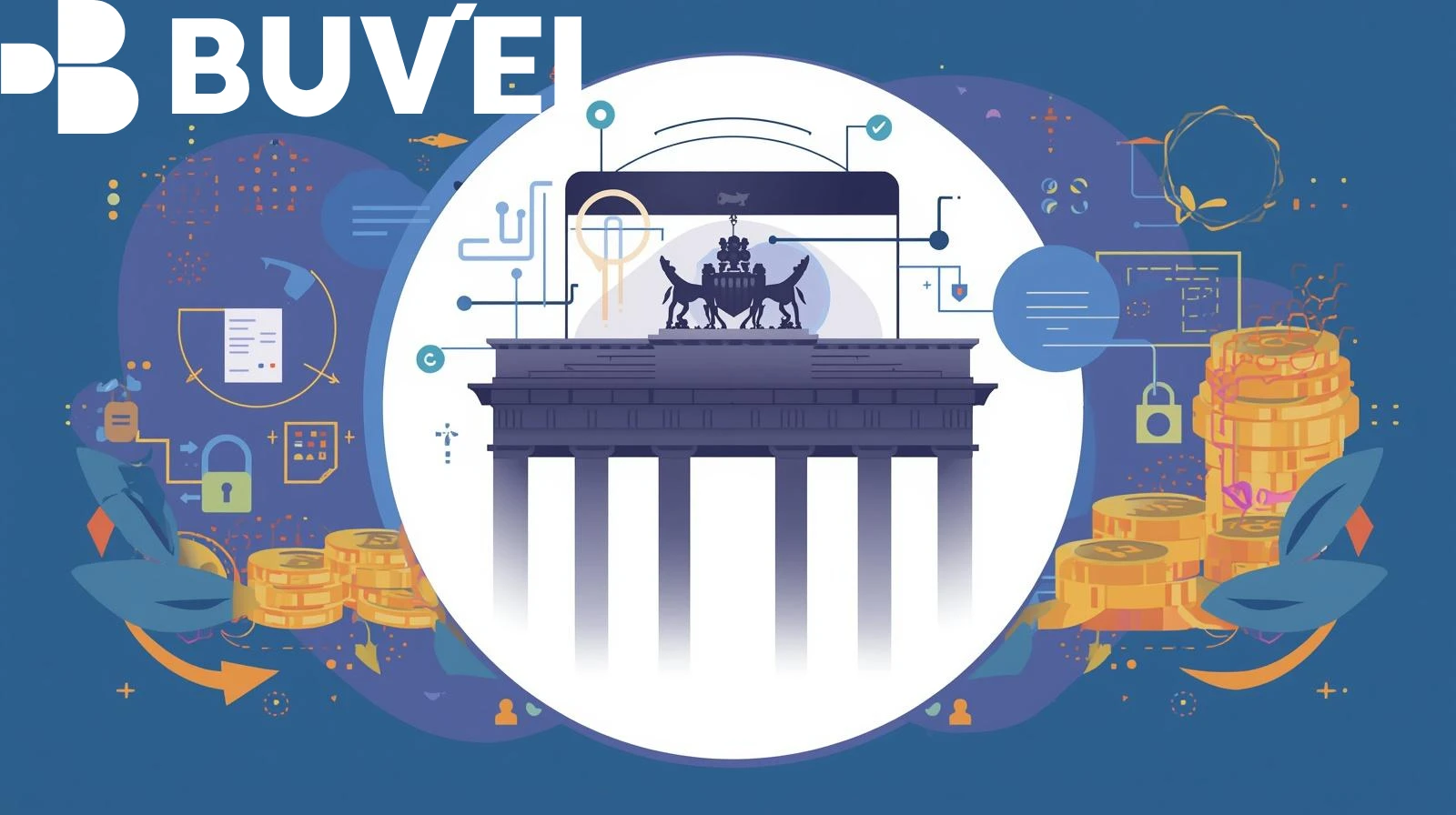 Online Payment Trends in Germany (May 2026)
Germany's digital payment ecosystem has reached a state of "Hyper-Scrutiny and Hyper-Speed."
The Rise of "Wero" and the Death of the Physical Wallet
By May 2026, the Wero payment system—the European alternative to PayPal—has achieved mass adoption across Germany. However, while Wero handles bank-to-bank transfers, virtual cards remain the dominant "bridge" for international shopping and American-led SaaS platforms like OpenAI and Microsoft.
The SCA (Strong Customer Authentication) Mandate
German merchants now enforce the strictest 3D Secure (3DS) protocols in the world. As of 2026, a "silent" transaction is nearly non-existent in Germany. Every virtual card must support seamless, biometric-driven authentication via smartphone to pass the high-security gauntlets of German retailers like Otto, Zalando, and Deutsche Bahn.
The Sustainability Factor
German consumers are increasingly "green-conscious." The environmental cost of shipping millions of plastic cards every year has led to a social push toward "Virtual-First" banking, where physical plastic is only issued upon a specific, paid request.

Why German Users Need Virtual Cards
The German use case for virtual cards is driven by a unique blend of privacy concerns and international business needs.
The "Datenschutz" (Data Protection) Priority
In Germany, data privacy is not just a preference; it is a cultural pillar.
-
Isolation: Germans use virtual cards to ensure that a data breach at a niche hobby site or a foreign startup doesn't expose their primary IBAN or main bank balance.
-
Masking: Single-use virtual cards provide a layer of anonymity that is highly valued in the German digital market.
Overcoming "Girocard" Limitations
The Girocard (formerly EC-Karte) is excellent for a bakery in Munich but often fails when trying to pay for a subscription to a US-based AI tool or an ad campaign on TikTok. Virtual cards provide the Visa/Mastercard rails that German users need to participate in the global economy.
Managing the "Abo-Falle" (Subscription Trap)
"Abo-Fallen" or hidden subscription traps have been a major consumer protection issue in Germany. Virtual cards allow users to set a "Hard Cap" on spending, ensuring a €9.99 monthly subscription cannot suddenly turn into a €99.00 annual charge without the user's explicit authorization.
Key Features to Look for in German Platforms
When evaluating a provider in the German market in 2026, four "Non-Negotiables" emerge:
-
EUR-Native Settlement: To avoid the "Stealth Tax" of currency conversion, the card must be able to hold and spend Euros natively.
-
German/EU IBAN Integration: For easy funding via SEPA Instant, the platform should ideally provide a European IBAN.
-
High-Trust BIN Authority: Some German sites are sensitive to "Prepaid" cards. High-quality providers offer Commercial Debit or Credit BINs.
-
Schufa-Neutrality: In May 2026, many German users prefer "Prepaid" virtual cards that don't require a credit check or impact their Schufa score.
Comparing Top Virtual Card Providers in Germany
The Neobank Heavyweights (N26 & Revolut)
-
N26: The hometown hero. N26 provides excellent German-specific integration and a native IBAN.
-
Revolut: The multi-currency king. In 2026, Revolut remains the top choice for Germans who travel frequently between the Eurozone, Switzerland, and the UK.
The "Agile Professional" Choice (Buvei)
As a specialized provider, Buvei has captured the segment of German users who require high-authority cards for ad spending, SaaS management, and crypto-integrated finance.
The Corporate Spenders (Qonto & Moss)
For German GmbHs and startups, platforms like Moss offer deep integration with DATEV (the standard German accounting software), allowing virtual card receipts to be filed automatically.
Use Cases: Shopping, SaaS, and Subscriptions
Use Case A: The Berlin Tech Freelancer
A freelancer working with international clients uses virtual cards to pay for Claude.ai, Adobe Creative Cloud, and Google Workspace. By using a dedicated card for each, they simplify their tax returns and ensure their business expenses are clearly separated from their personal life.
Use Case B: The "Smart" Online Shopper
During sales on sites like Amazon.de or MediaMarkt, a user generates a single-use card. Once the purchase is confirmed and the item arrives, the card is deleted, ensuring no secondary charges or "accidental" prime renewals can occur.
 Why Buvei is a Strong Option for German Users
In May 2026, Buvei stands out by bridging the gap between the "Old World" of German banking and the "New World" of decentralized finance.
1. The Stablecoin Bridge (USDT to EUR)
Germany has a large community of "Web3" professionals.
-
The Problem: Converting crypto to Euros via a traditional bank can trigger weeks of compliance questions.
-
The Buvei Advantage: Users can fund their accounts with USDT or USDC and instantly generate a virtual card that spends like a standard Euro Visa/Mastercard. This provides immediate liquidity for German professionals earning in the crypto ecosystem.
2. Premium Commercial BINs
German payment gateways (like Adyen DE or Stripe DE) are notoriously picky.
-
The Feature: Buvei provides Commercial-grade BINs. These are recognized by German merchants as high-trust business cards, ensuring a near-100% acceptance rate for critical services like server hosting or corporate travel.
3. Native 3D Secure for German Verification
-
The Experience: Buvei’s real-time 3DS approval system is designed for the speed of modern German e-commerce. Whether you’re buying a train ticket on DB Navigator or a new laptop, the OTP arrives instantly in your app, bypassing the lag associated with traditional SMS codes.
Tips for Choosing the Right Virtual Card Platform
-
Check the "Hidden" FX Fees: If you spend money in USD or GBP, some German platforms charge up to 2%. Look for a provider like Buvei that uses Mid-Market rates.
-
Evaluate the "Free" Tier: Many providers offer a free virtual card but charge for every additional one. If you plan on "Merchant Locking" (one card per store), look for a platform that allows for mass card issuance.
-
Check for "Merchant-Locking" Features: Ensure the platform allows you to lock a card to a specific merchant so it cannot be used elsewhere if the details are stolen.
Final Verdict: The 2026 Winner
For the everyday consumer, N26 remains the safest domestic choice. However, for high-spend professionals, digital agencies, and crypto-native users in Germany, Buvei offers the technical edge and BIN authority required to master the digital economy of May 2026.