As online transactions become more frequent—and more complex—users are looking for better ways to control risk and manage spending. This is where a temporary virtual card becomes especially useful.
Also known as a single-use virtual card, this payment method allows you to isolate transactions, prevent unwanted charges, and protect your financial information.
What Is a Temporary / Single-Use Virtual Card
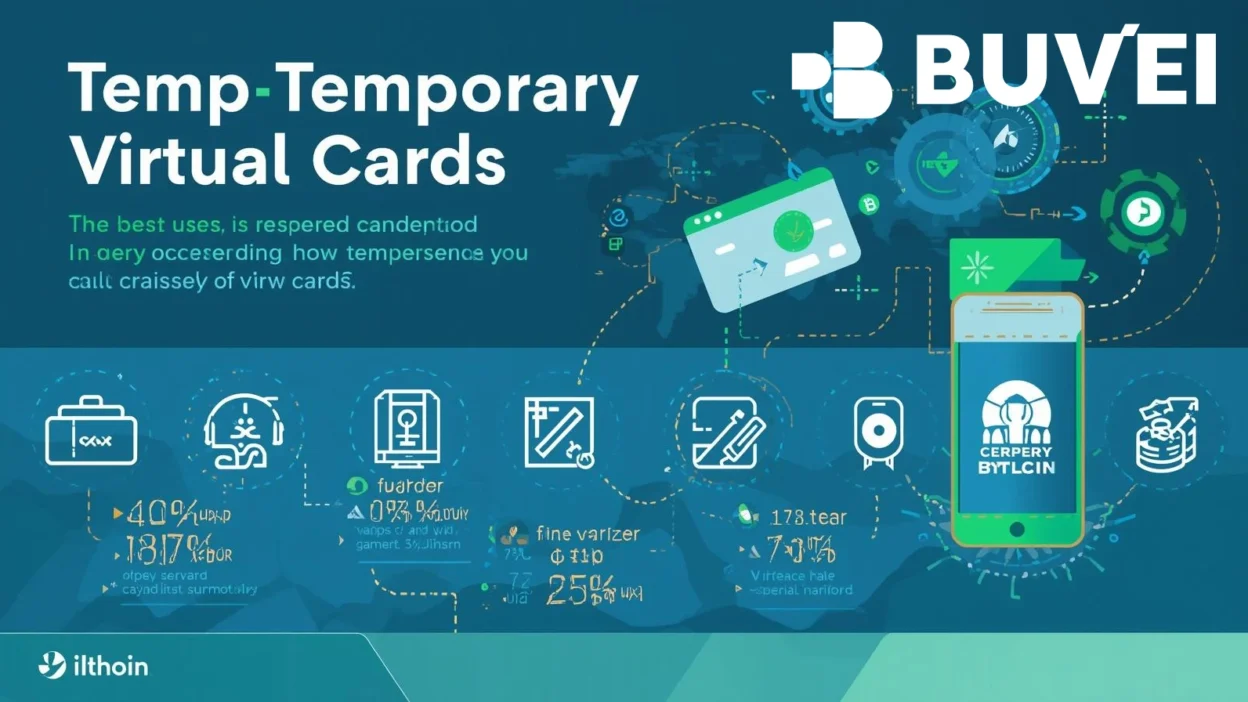
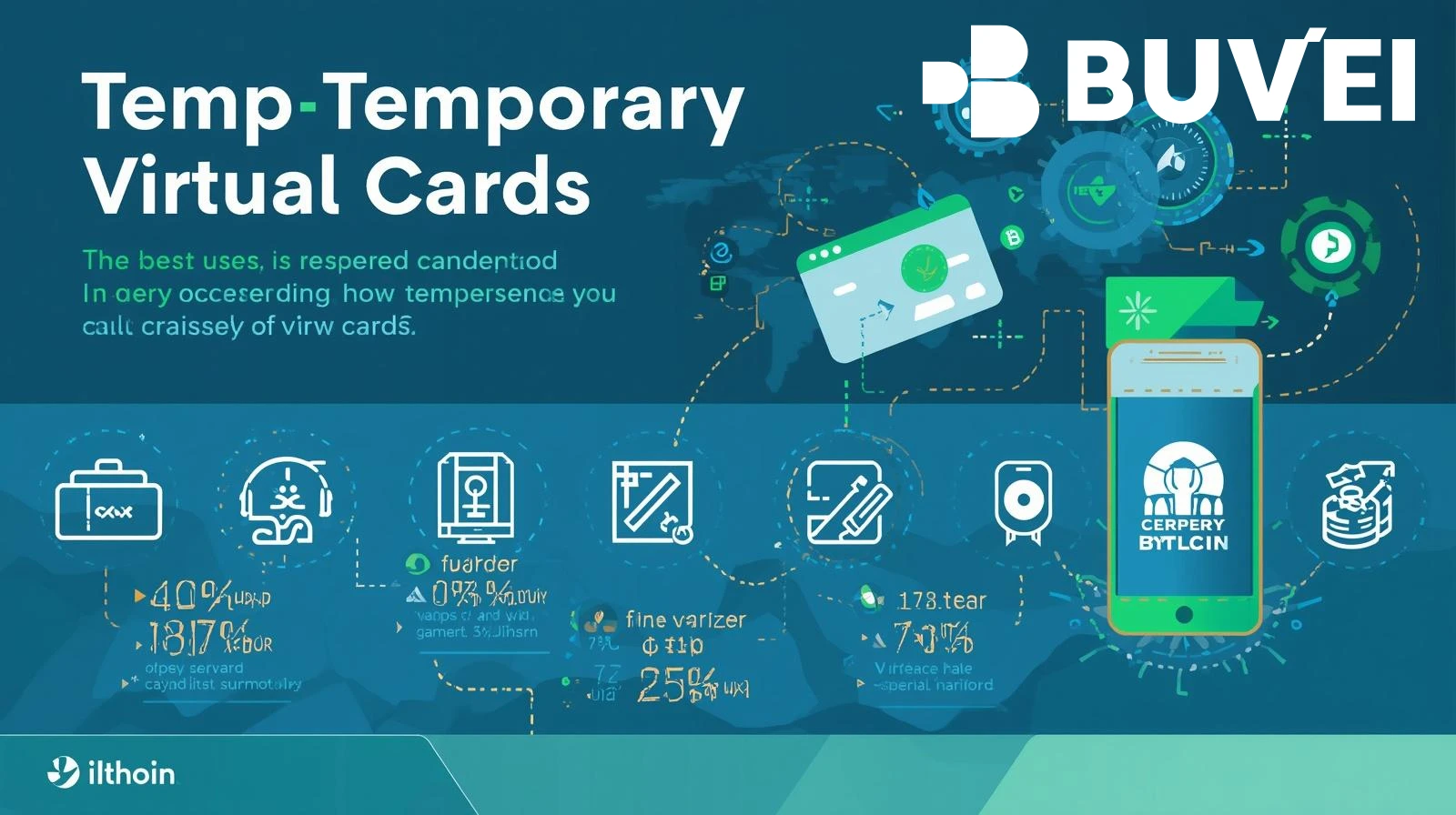
A temporary virtual card is a digitally issued payment card designed for short-term or limited use.
Key Characteristics
- Can be used once or for a limited time
- Has a predefined spending limit
- Can expire automatically
How It Works
- Generated instantly online
- Linked to your funding source
- Used like a regular card for payments
Unlike traditional cards, temporary cards are built for controlled, purpose-specific transactions.
Common Scenarios for Using Temporary Cards
Temporary virtual cards are ideal for situations where flexibility and security matter.
Free Trials and Subscriptions
- Avoid unwanted renewals
- Limit spending to a fixed amount
Online Shopping
- Protect your primary card details
- Reduce exposure to fraud
Advertising Payments
- Assign a card per campaign
- Isolate risk across accounts
SaaS Tools
- Manage payments for tools like ChatGPT, Canva, Notion
- Control recurring charges
One-Time Vendor Payments
- Pay freelancers or services securely
These use cases highlight the versatility of temporary cards.
Benefits: Security, Limit Control, Fraud Prevention
The main advantage of a single-use virtual card is control.
Enhanced Security
- Prevent exposure of real banking details
- Reduce risk of data breaches
Spending Limits
- Define exactly how much can be spent
- Avoid overspending
Fraud Prevention
- Disable or expire cards after use
- Limit impact of compromised details
Better Financial Organization
- Separate transactions by purpose
- Track spending more clearly
These benefits make temporary cards a preferred choice for digital payments.
How Temporary Cards Work for Subscriptions and Ads
Temporary virtual cards are particularly effective for recurring and high-risk payments.
Step-by-Step for Subscriptions
- Create a temporary card
- Set a spending limit equal to the subscription fee
- Use the card for signup
- Let the card expire or keep strict limits
Result
- No unexpected renewals
- Full control over billing
Step-by-Step for Advertising Payments
- Create separate cards for each campaign
- Assign budgets per card
- Monitor performance and spending
- Disable cards if issues arise
Result
- Better budget control
- Reduced risk of account suspension
This structured approach improves both security and efficiency.
Using Buvei Virtual Cards for Temporary Payments
For users looking to implement temporary card strategies, Buvei provides a flexible and scalable solution.
Multi-BIN Support
Optimize payment success rates across platforms.
Strong Payment Compatibility
Works with advertising platforms, SaaS tools, and online services.
Crypto-Based Funding
Supports USDT (TRC20/ERC20) for fast and low-cost deposits.
Flexible Card Creation
Create multiple temporary cards instantly.
Transparent Fees
Clear pricing supports better cost control.
Secure Infrastructure
Protects sensitive financial information.
Final Thoughts
Knowing when to use a temporary virtual card can significantly improve how you manage online payments. Whether you’re handling subscriptions, running ad campaigns, or making one-time purchases, single-use virtual cards provide the control and security modern users need.
As digital payments continue to evolve, temporary virtual cards are becoming a standard tool for safer, smarter transactions. Platforms like Buvei make it easy to implement these strategies, helping users stay in control while reducing financial risk.