Using a single card for every online payment might seem convenient, but it introduces unnecessary financial risk. Businesses, advertisers, freelancers, and digital-first consumers are increasingly turning to multiple virtual cards to improve payment security, streamline budgeting, and reduce transaction failures.
This guide explains how to create multiple virtual cards, why the strategy works, and how to set up and manage them efficiently using Buvei.
Why Using One Card for Everything Is Risky
Relying on one payment card creates a single point of failure. If that card is declined, flagged for fraud, or reaches its spending limit, your operations can stop instantly.
Common risks include:
-
Subscription interruptions
-
Advertising campaigns pausing unexpectedly
-
Cloud services shutting down
-
Exposure of primary banking details
-
Difficult expense tracking
For high-frequency digital payments, diversification is no longer optional — it is a best practice.
Common Use Cases for Separate Virtual Cards
Creating dedicated cards for specific categories gives you cleaner financial control and stronger operational stability.
Typical card segmentation includes:
1. Advertising Spend
Assign one card per ad platform (Google, Meta, TikTok) to prevent account-wide disruption if a payment fails.
2. SaaS and AI Tools
Use separate cards for tools like ChatGPT, Notion, or design platforms to track software ROI more accurately.
3. Subscriptions
Streaming services, education platforms, and productivity tools should run on isolated cards to avoid renewal conflicts.
4. Travel Expenses
A dedicated travel card simplifies reimbursements and reduces fraud exposure during international transactions.
5. Team Spending
Issue individual cards to employees with preset limits instead of sharing company credentials.
This structure mirrors how mature finance teams operate — controlled, segmented, and scalable.
How Virtual Cards Improve Security and Budget Control
Virtual cards are designed for the modern payment environment.
Security Advantages
-
Mask your primary bank account
-
Instantly freeze or replace compromised cards
-
Reduce fraud exposure
-
Limit merchant-level access
Budget Control Benefits
-
Set precise spending caps
-
Allocate funds by department or project
-
Prevent overspending
-
Monitor transactions in real time
Instead of reacting to financial problems, virtual cards help you prevent them.
How to Create and Manage Multiple Virtual Cards with Buvei
Buvei is built for scalable payment operations, allowing users to issue and manage multiple cards from one dashboard while maintaining full visibility.
Even better — new users receive a $5 card issuance coupon after registration, and long-time inactive users may receive up to 40% discount coupons, making it an ideal time to optimize your payment stack.
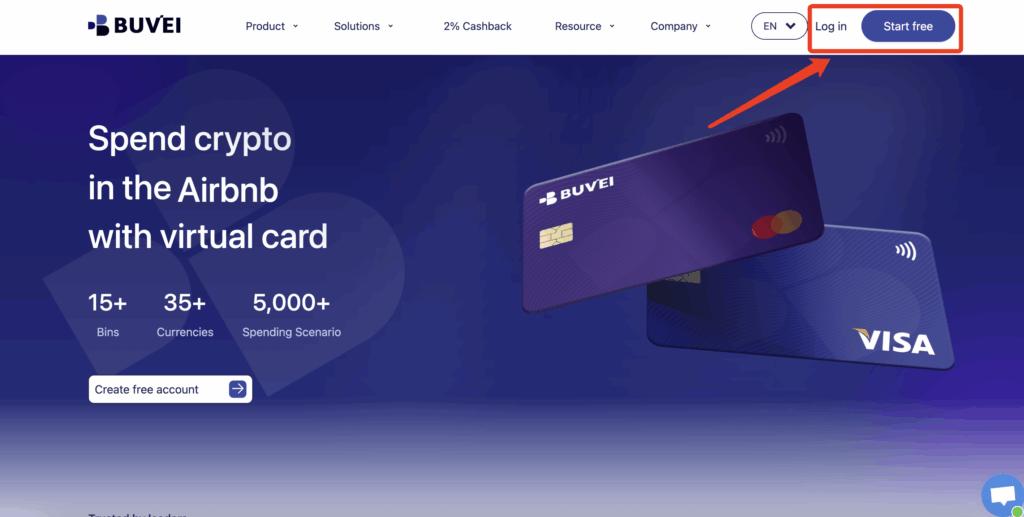
Step 1: Register a Buvei Account
-
Visit https://buvei.com
-
Create a free account
-
Complete email verification
-
Log in to the Buvei dashboard
Step 2: Fund Your Account
-
Navigate to Wallet
-
Select USDT (TRC20 or ERC20)
-
Copy your exclusive deposit address
-
Transfer funds
-
Once confirmed, your balance is ready for use
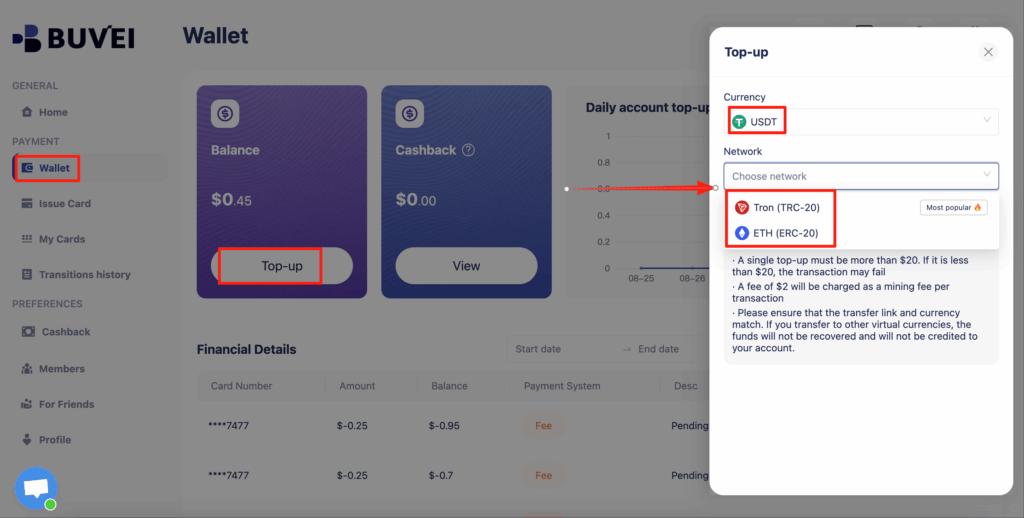
Crypto funding reduces remittance costs and speeds up availability.
Step 3: Create Your Virtual Cards
-
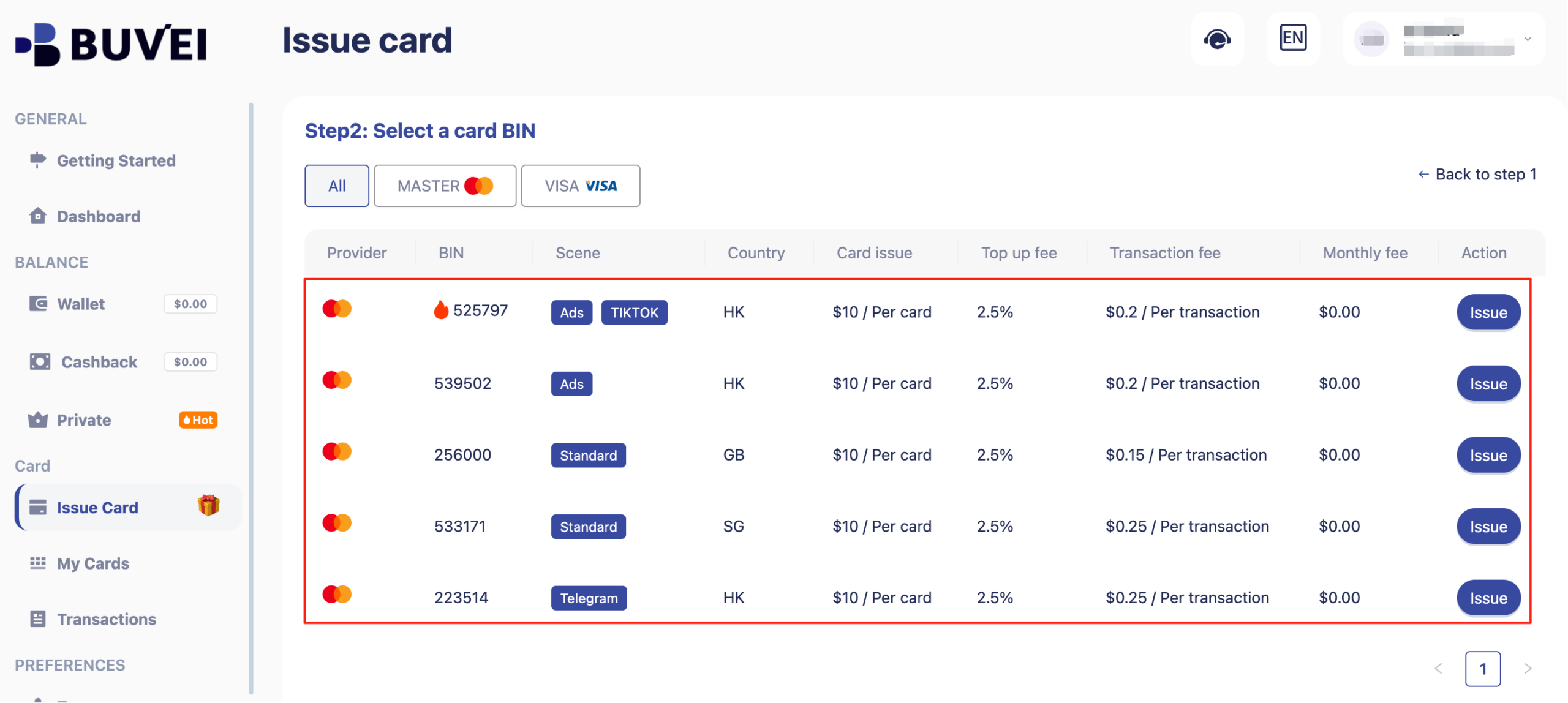
Go to the Cards tab
-
Choose your preferred BIN region (U.S. BIN recommended for higher acceptance)
-
Select a card type
-
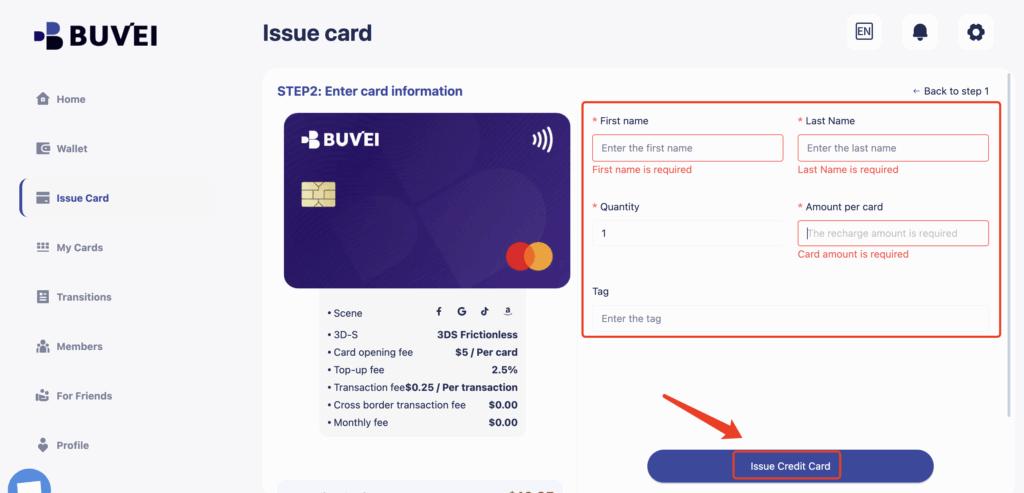
Click Issue Card
-
Enter card details:
-
Card name (e.g., “Google Ads”, “SaaS Tools”)
-
Amount
-
Quantity
-
-
Confirm issuance
Step 4: View and Manage Cards
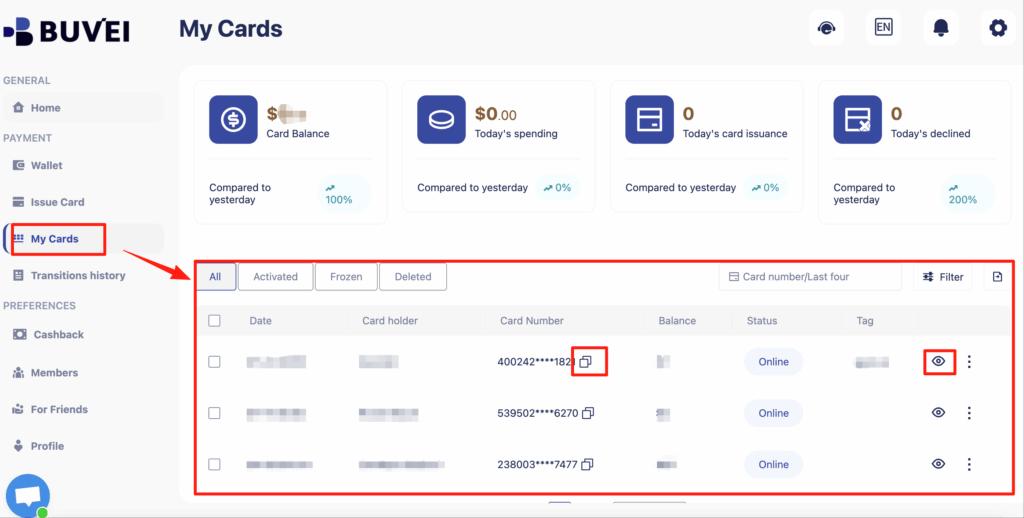
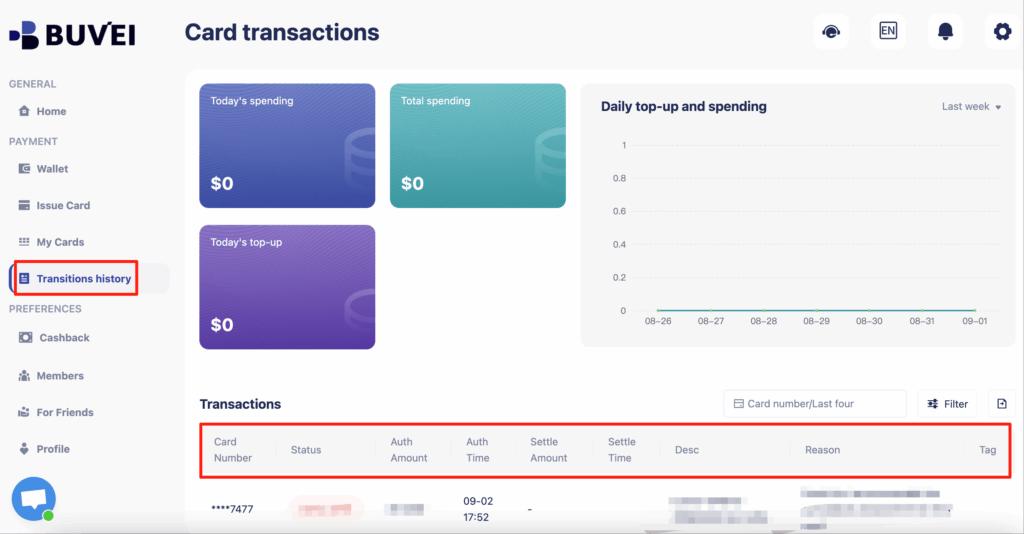
Head to My Cards to access:
-
Card number
-
Expiration date
-
CVV
-
Transaction history
-
Top-ups and spending overview
From here, you can manage multiple cards effortlessly.
Best Practices for Organizing Cards by Use Case
Creating cards is only half the strategy — organization is what drives long-term efficiency.
Follow these professional practices:
✔ Name cards clearly by merchant or function
✔ Maintain a backup card for critical services
✔ Review balances before renewal dates
✔ Avoid sharing cards across departments
✔ Use batch issuance for teams
✔ Monitor transaction alerts
The goal is simple: structured payments lead to predictable operations.
Conclusion
Learning how to create multiple virtual cards is one of the smartest upgrades you can make to your payment infrastructure. It improves security, prevents service disruptions, and gives you granular control over spending.
Platforms like Buvei make this process seamless by offering:
-
Instant virtual card issuance
-
Multi-card management from a single account
-
Transparent fees
-
Strong global payment compatibility
-
Flexible funding via USDT
As digital payments continue to scale, relying on a single card is increasingly outdated. A multi-card strategy is faster, safer, and built for modern financial workflows.