
Affiliate marketing has grown into a global industry where marketers promote products or services and earn commissions from successful referrals. While strategies, traffic sources, and conversion rates often get the spotlight, payment methods play an equally critical role in affiliate success. Reliable payment solutions help affiliates manage advertising budgets, receive payouts, and run campaigns across multiple platforms without interruptions.
This guide explains the most common payment methods used in affiliate marketing, the challenges affiliates face with traditional options, and why virtual cards—especially Buvei virtual cards—are increasingly preferred for media buying and campaign management.

Why Payment Methods Matter in Affiliate Marketing
In affiliate marketing, payments flow in two main directions:
-
Outgoing payments – Affiliates pay for traffic sources such as ads, tools, tracking platforms, and hosting.
-
Incoming payments – Affiliate networks pay commissions to marketers.
If payment methods fail or become restricted, campaigns can stop immediately, leading to lost traffic and missed revenue opportunities.
Key reasons payment methods matter include:
-
Campaign continuity – Advertising platforms require reliable payment methods to keep campaigns active.
-
Budget control – Affiliates need to track and manage spending across multiple campaigns.
-
Global accessibility – Many affiliates operate internationally, requiring cross-border payment support.
-
Risk management – Payment failures, frozen funds, or account restrictions can severely disrupt operations.
Because affiliate marketing often involves high transaction volumes and rapid campaign scaling, having flexible payment solutions is essential.

Common Payment Methods Used by Affiliate Marketers
Affiliate marketers typically use a combination of payment methods depending on the network, advertising platform, and geographic region.
Bank Transfers
Wire transfers or local bank transfers are commonly used by affiliate networks for large payouts.
Advantages:
-
Reliable for high-value payments
-
Accepted by most affiliate networks
Limitations:
-
Slow processing times (often several days)
-
High international transfer fees
E-Wallets
Platforms such as Payoneer, Skrill, and other digital wallets are popular among affiliates.
Advantages:
-
Faster payouts
-
Easy international transfers
Limitations:
-
Account restrictions can occur
-
Withdrawal fees may apply
Cryptocurrency
Many affiliate networks now support cryptocurrency payouts.
Advantages:
-
Fast global transfers
-
Lower transaction fees
Limitations:
-
Price volatility
-
Limited acceptance for paying advertising platforms
Credit or Debit Cards
Cards are primarily used for paying traffic sources such as advertising platforms.
Advantages:
-
Widely accepted
-
Supports recurring payments
Limitations:
-
Spending limits
-
Risk of card declines or fraud flags
Challenges with Traditional Payment Options
Although traditional payment methods work for many situations, affiliate marketers often encounter several operational challenges.
Payment Declines on Ad Platforms
Advertising platforms may decline cards due to:
-
Suspicious spending patterns
-
High transaction volume
-
Geographic mismatch between card and account
Limited Budget Control
Using a single credit card for multiple campaigns can create difficulties:
-
Hard to track campaign expenses
-
Risk of overspending
-
Difficult to isolate failed campaigns
Account Security Risks
If a card linked to an advertising account is compromised, affiliates may face:
-
Unauthorized charges
-
Ad account suspension
-
Financial loss
Scaling Campaigns
As campaigns grow, affiliates may need:
-
Multiple payment methods
-
Separate budgets for different campaigns
-
Flexible payment control
Traditional payment tools are often not designed for these requirements.
Why Virtual Cards Are Preferred for Media Buying
Virtual cards have become a popular payment solution among affiliate marketers—especially those running paid advertising campaigns.
A virtual card is a digitally issued card number that can be used for online payments without a physical card.
Key advantages include:
Better Budget Control
Affiliates can create separate cards for:
-
Individual campaigns
-
Different advertising platforms
-
Specific traffic sources
This helps track ROI more accurately.
Reduced Fraud Risk
Virtual cards reduce financial exposure because:
-
Card numbers can be replaced instantly
-
Spending limits can be applied
-
Cards can be frozen or deleted when needed
Improved Campaign Management
Media buyers often run multiple campaigns simultaneously. Virtual cards allow them to:
-
Assign different cards to each ad account
-
Avoid payment conflicts between campaigns
-
Manage spending more efficiently
Easier Scaling
When campaigns scale quickly, virtual cards make it easy to:
-
issue additional cards
-
distribute budgets
-
test multiple advertising strategies
This flexibility is why virtual cards are widely used in affiliate media buying operations.
Using Buvei Virtual Cards for Affiliate Payments
Buvei provides virtual cards designed for online payments, advertising platforms, and global digital services. These cards can help affiliate marketers manage their campaigns more efficiently.
Key features include:
-
Instant card issuance for quick campaign launches
-
Multiple cards per account for campaign separation
-
Spending controls to manage advertising budgets
-
Global merchant acceptance for major advertising platforms and tools
These capabilities make buvei virtual cards suitable for affiliate marketers who need reliable payment tools for scaling campaigns.
How to Create a Virtual Card on the Buvei Platform
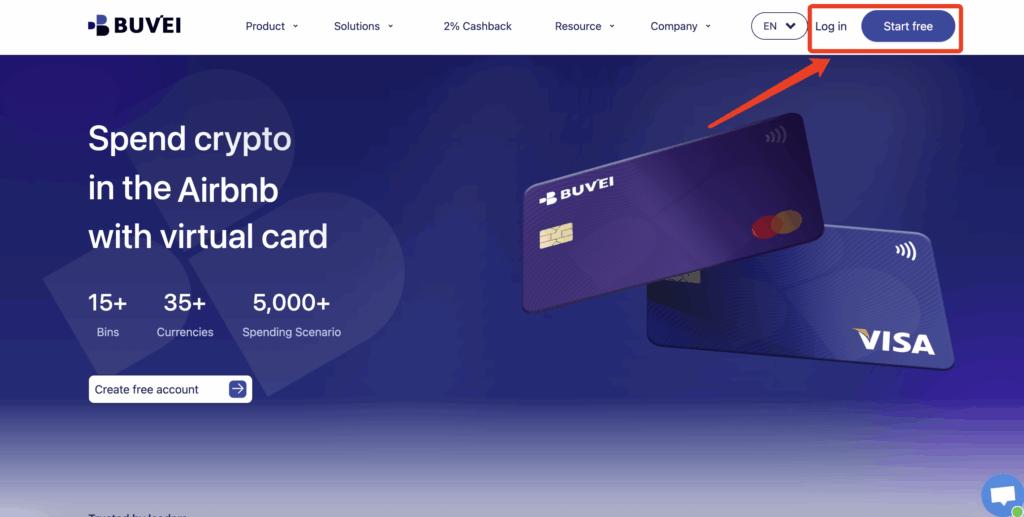
Step 1: Register an Account
Visit the Buvei website and sign up for an account.
Complete the email verification process and log in to the dashboard.
Step 2: Fund Your Wallet
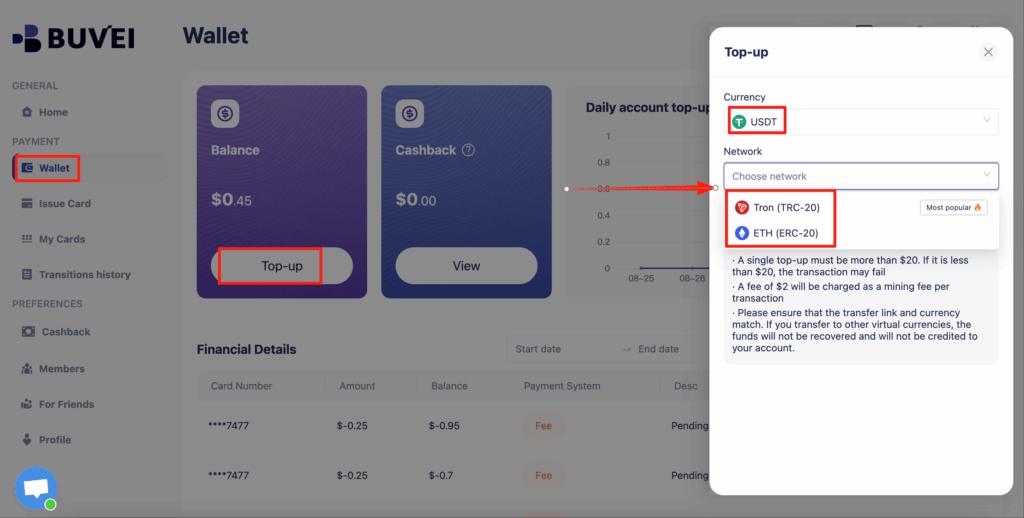
Go to the Wallet section and add funds to your account.
Buvei supports deposits using USDT (TRC20) and USDT (ERC20).
After sending funds to your assigned deposit address, the balance will appear in your wallet once the transaction is confirmed.
Step 3: Create a Virtual Card
-
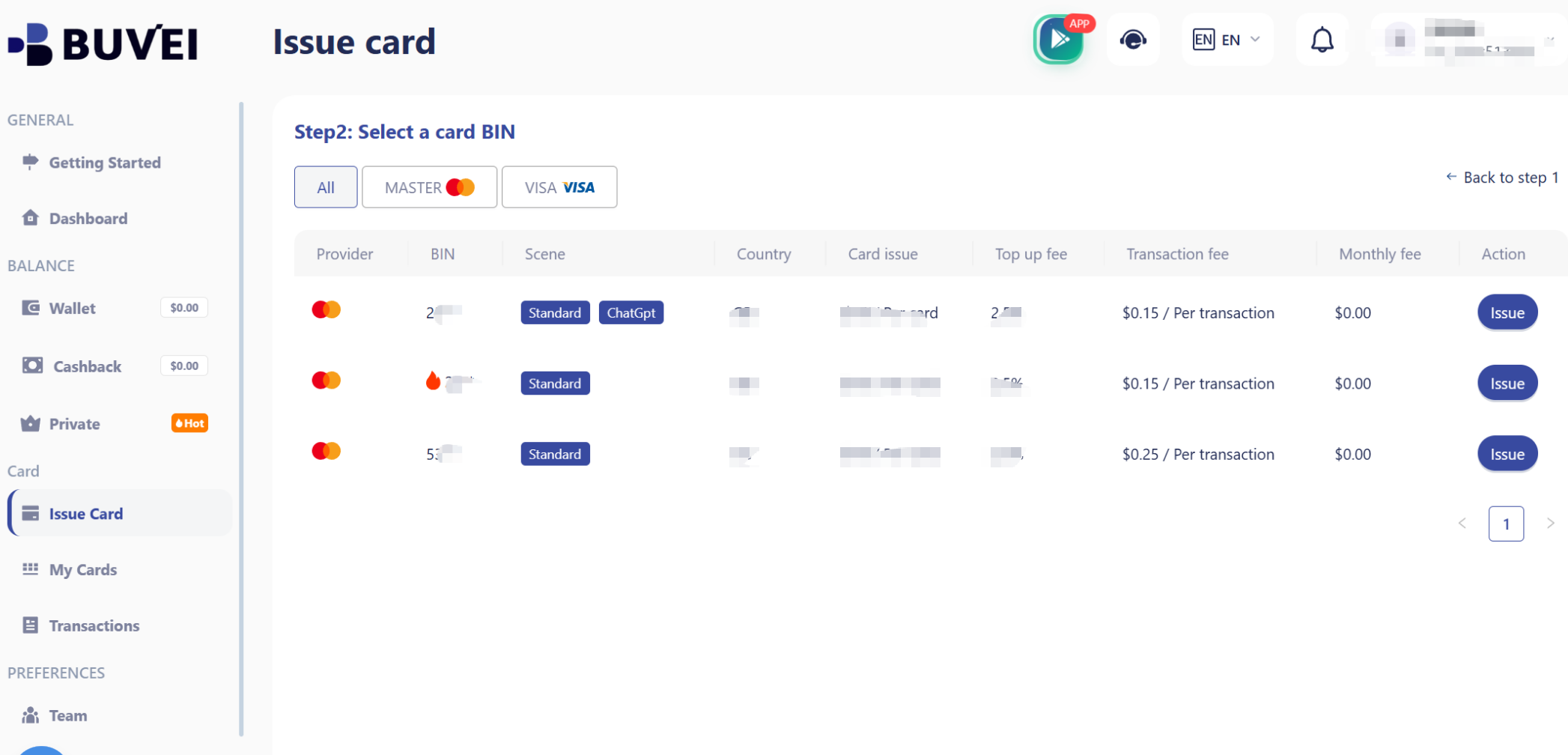
Navigate to the Cards section
-
Select your preferred BIN region (many affiliates prefer US BINs for advertising payments)
-
Choose the card type
-
Enter the card name, initial balance, and number of cards
-
Click Create Card
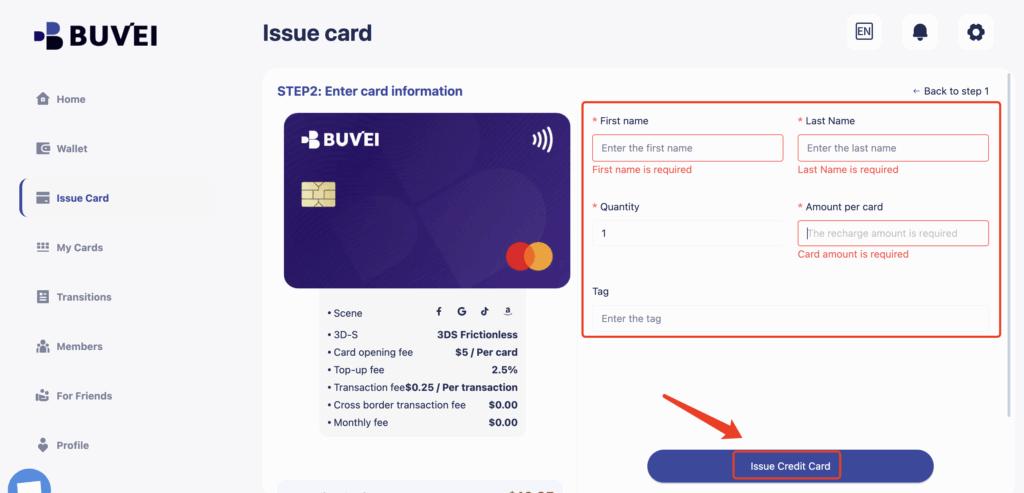
Your virtual card will be issued instantly.
You will then be able to view:
-
Card number
-
Expiration date
-
CVV
-
Card balance
-
Transaction history
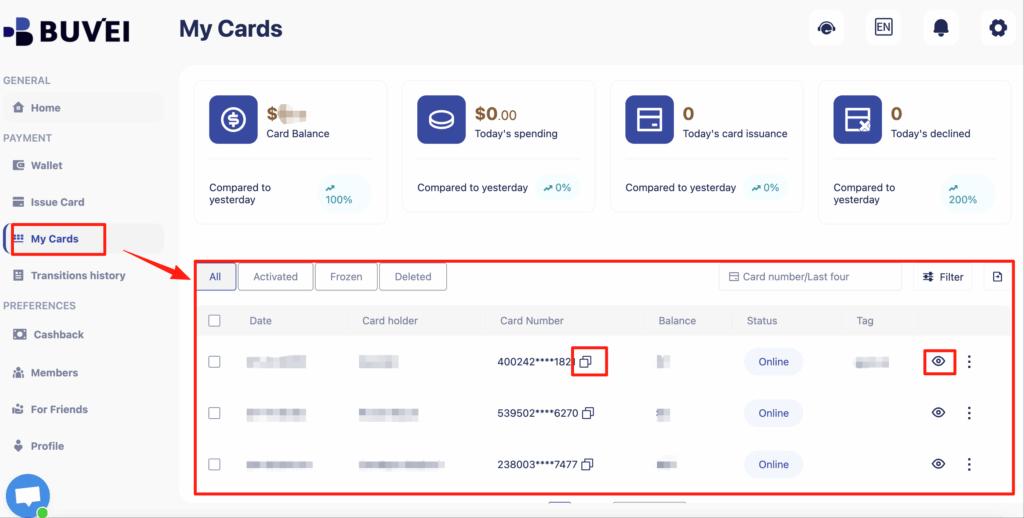
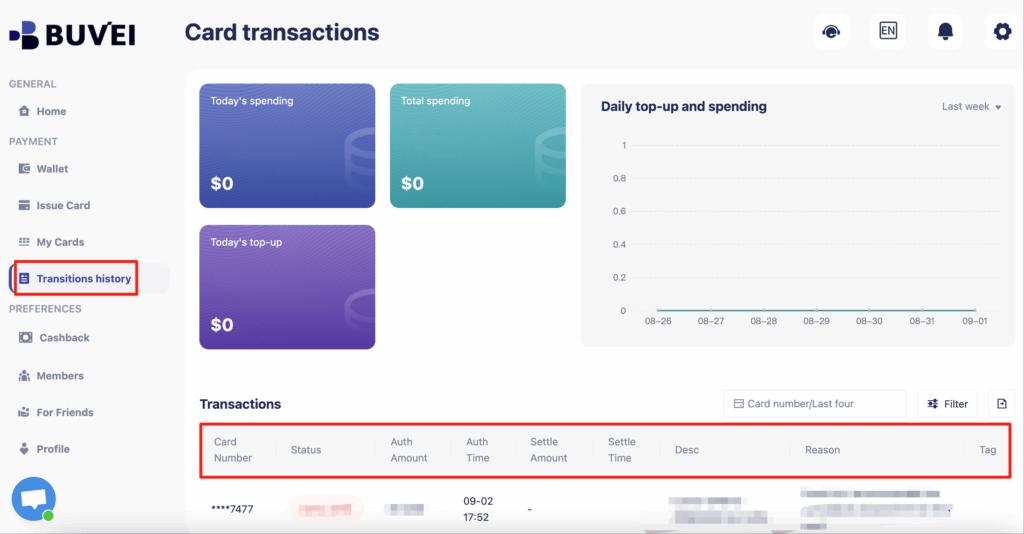
This process ensures that Buvei’s virtual cards are ideal for controlling your spending and managing online payments securely.
Conclusion
Payment infrastructure is a critical component of successful affiliate marketing operations. Traditional payment methods like bank transfers and e-wallets remain useful for receiving payouts, but they often fall short when it comes to managing advertising budgets and scaling campaigns.
Virtual cards offer a flexible and secure solution for affiliate marketers who need better control over campaign spending and payment management. Platforms such as Buvei provide tools that allow affiliates to generate multiple cards, manage budgets, and maintain secure payment processes while running advertising campaigns across global platforms.
For affiliates focused on media buying, virtual cards have become an essential part of modern payment strategies.