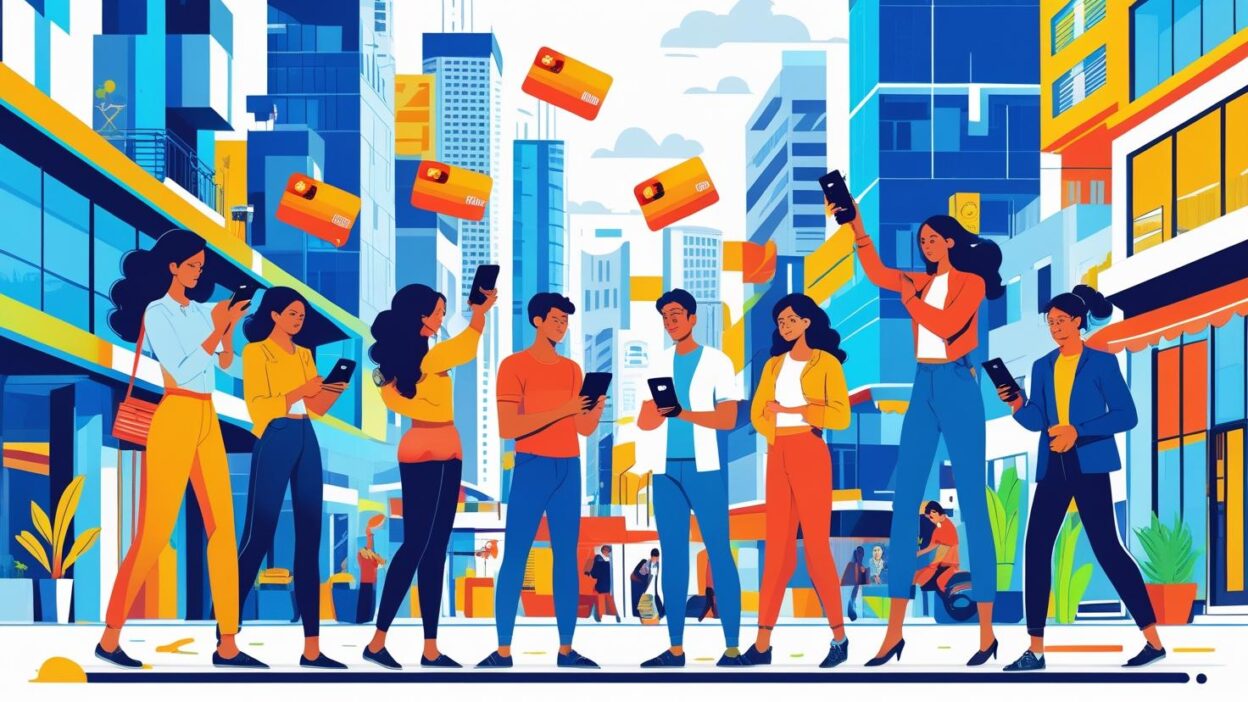
Digital transformation is reshaping financial systems around the world, and one of the most impactful innovations is the virtual card. Unlike traditional plastic cards, virtual cards exist entirely online, offering flexibility, security, and cost efficiency. In emerging markets—where access to traditional banking services may be limited—virtual cards are quickly becoming a critical tool for individuals, freelancers, and businesses to manage payments with ease.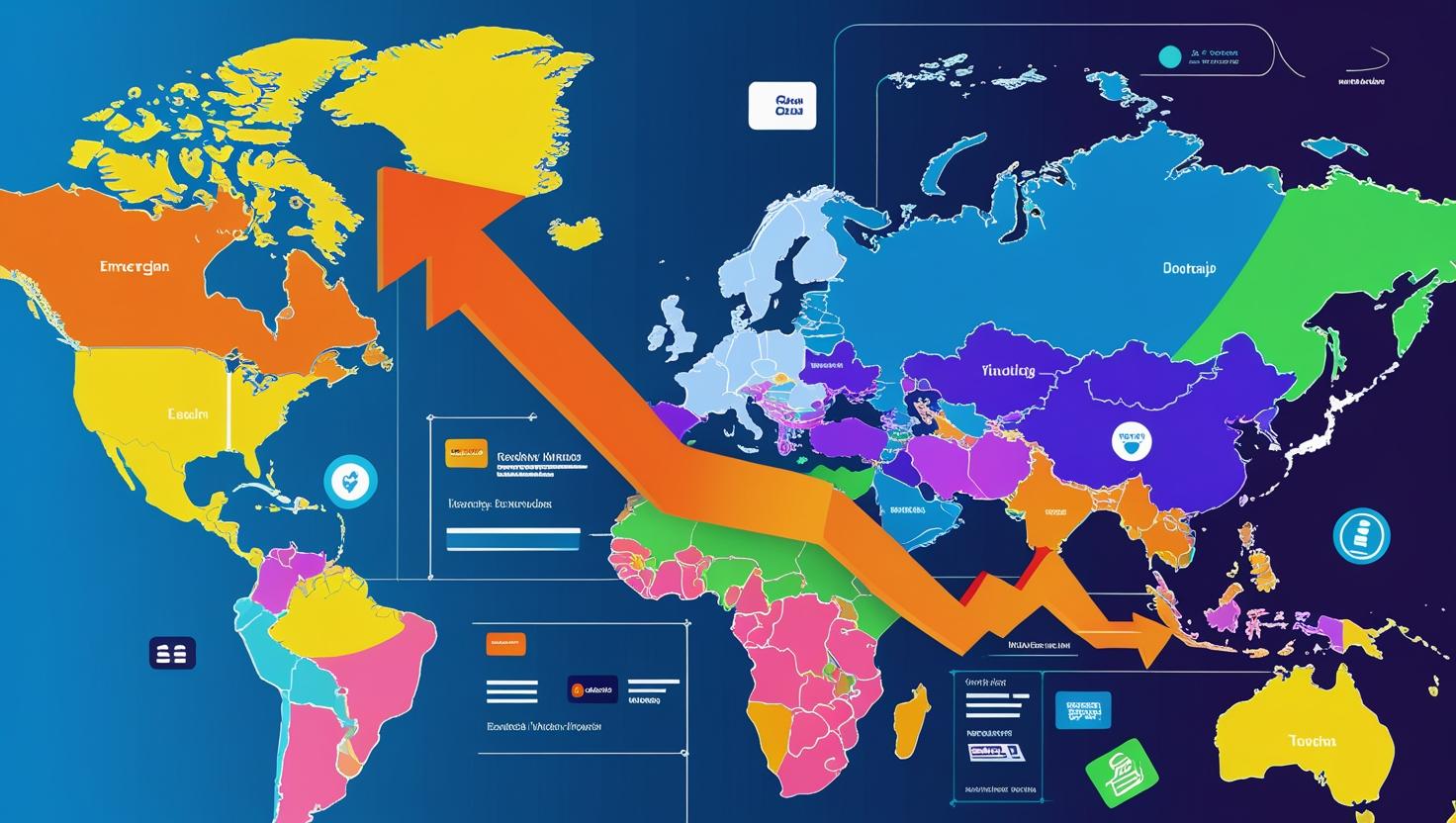
Growing Demand for Digital Payments
Emerging markets have seen a surge in digital-first financial solutions, driven by mobile adoption, internet access, and cross-border commerce. Consumers and businesses in regions such as Southeast Asia, Africa, and Latin America are increasingly looking for reliable payment methods that avoid the challenges of high fees, currency barriers, or banking limitations.
Virtual cards answer this need by providing:
-
Instant issuance without the hassle of visiting banks.
-
Global acceptance across major payment networks.
-
Safer transactions without exposing bank details.
This growing demand positions virtual cards as more than just a convenient option—they’re becoming an essential financial tool.
Benefits for Businesses and Freelancers
For small businesses, freelancers, and remote teams, managing expenses and paying vendors can be complex. Virtual cards simplify this process by offering:
-
Expense control through customizable limits.
-
Multi-account management, allowing organizations to issue multiple cards under one platform.
-
Cross-border usability, supporting international advertising, SaaS subscriptions, and vendor payments.
This flexibility is especially valuable in emerging markets, where global business opportunities are expanding rapidly.
Why Security Matters in Emerging Markets
One of the major barriers to digital adoption in emerging economies has been concerns about fraud and identity theft. Virtual cards help resolve this by:
-
Using temporary card numbers for each transaction.
-
Ensuring compliance with PCI DSS international security standards.
-
Protecting sensitive banking details from exposure.
By increasing trust, virtual cards make digital payments more accessible to populations that may otherwise hesitate to embrace online transactions.
Buvei: Supporting the Virtual Card Movement
Among the providers driving this shift is Buvei, a platform designed to meet the unique needs of businesses and professionals in emerging markets. Its highlights include:
-
Multiple BIN support to improve success rates across global platforms.
-
Strong compatibility with ad networks like Google Ads, Meta Ads, TikTok Ads, and Microsoft Ads.
-
USDT top-up options (TRC20/ERC20), making it cost-effective and fast for international users.
-
Transparent fees with no hidden charges, enabling better financial planning.
By focusing on both reliability and flexibility, Buvei helps freelancers, digital nomads, and businesses take advantage of the financial opportunities in growing economies.
Conclusion
The rise of virtual cards in emerging markets reflects a broader global shift toward secure, efficient, and accessible financial tools. They not only enable cross-border commerce but also empower individuals and businesses with better cost control, fraud prevention, and seamless digital integration.
With providers like Buvei leading the way, the adoption of virtual cards will continue to expand, making them a cornerstone of financial progress in regions that are rapidly digitizing.
Ready to explore the benefits of virtual cards for your business or personal use? Discover how Buvei can simplify global payments, reduce costs, and keep your transactions secure.