



Introduction
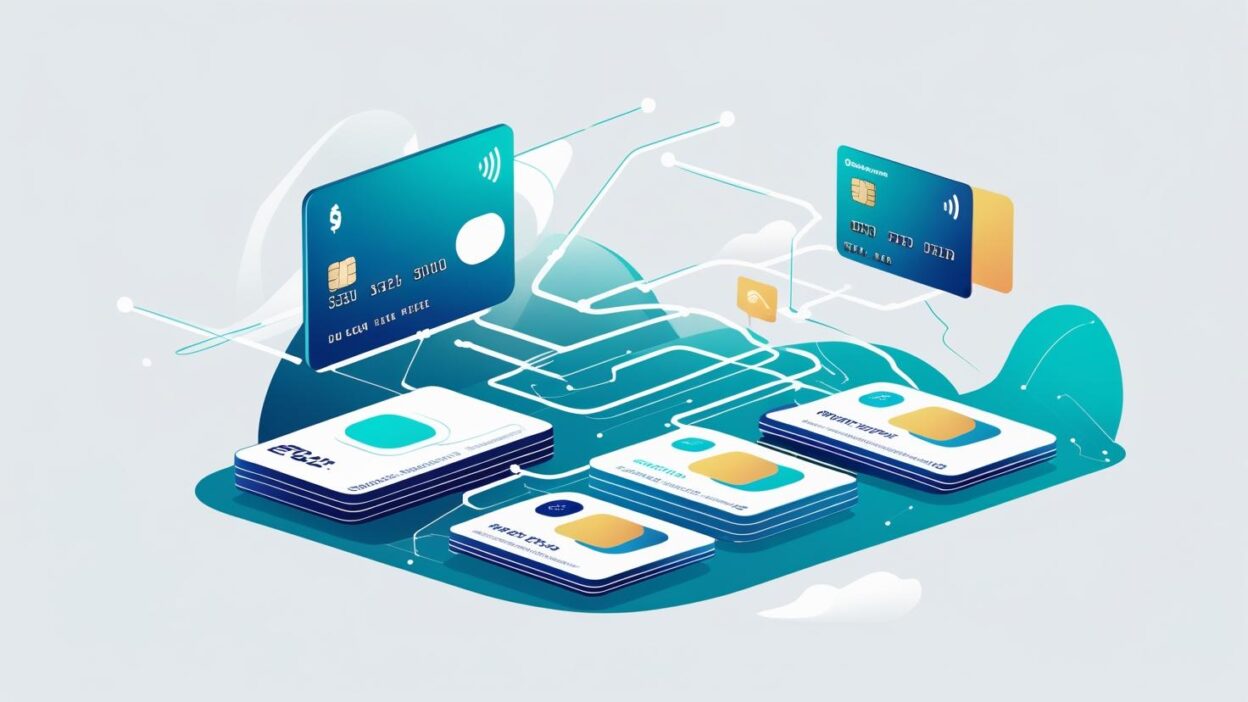
The financial world is rapidly evolving, and embedded payments are at the center of this transformation. Businesses today are looking for seamless, secure, and efficient ways to manage transactions. Two powerful technologies—virtual cards and fintech APIs—are driving this change. Together, they are streamlining how companies handle expenses, subscriptions, vendor payments, and even cross-border transactions.
In this article, we’ll explore how these technologies are shaping the payment ecosystem, why businesses are adopting them, and how providers like Buvei are contributing to this shift.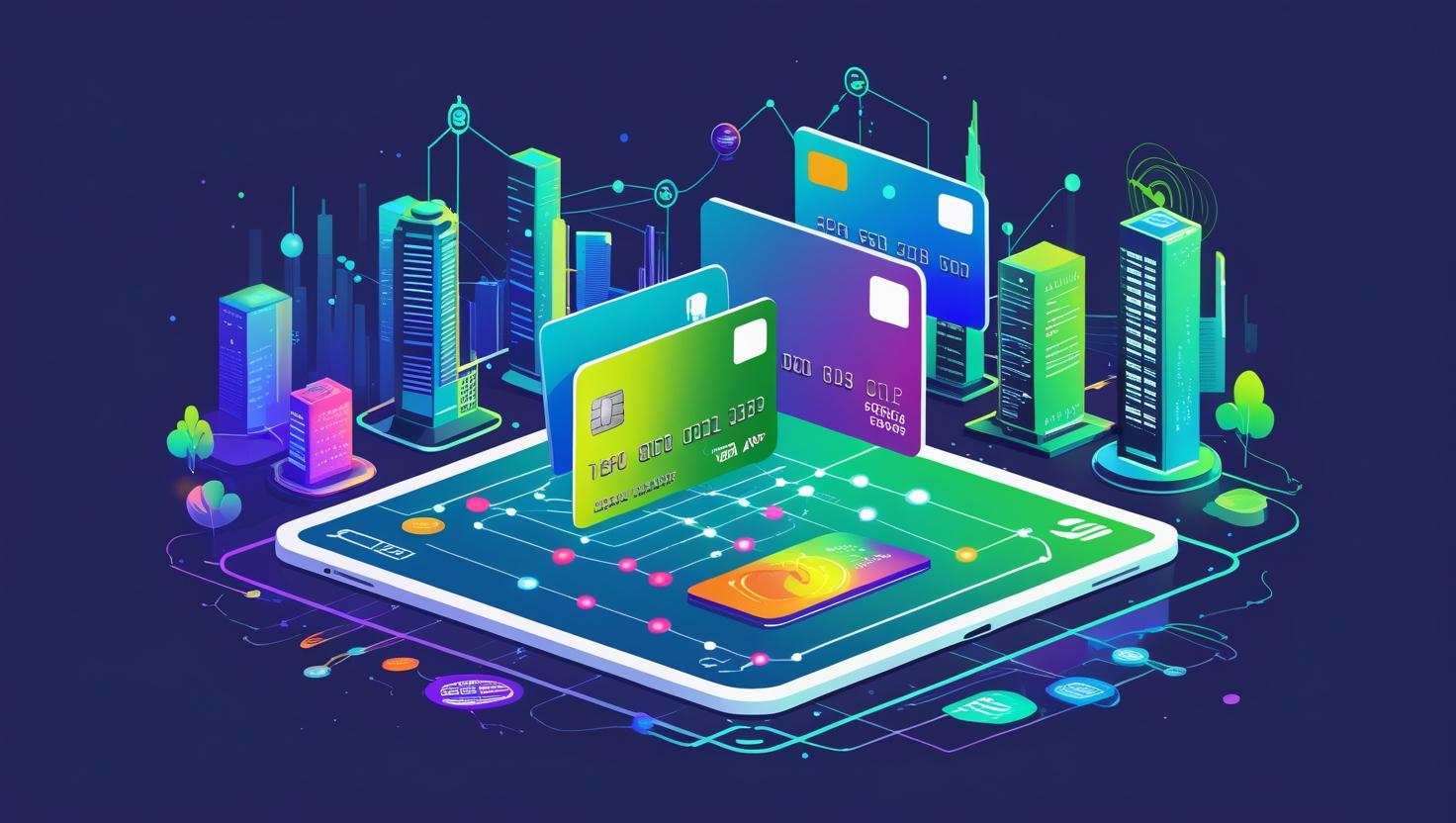
What Are Virtual Cards and Fintech APIs?
-
Virtual Cards are digital versions of traditional payment cards. They can be generated instantly, used online across multiple platforms, and offer enhanced security by masking sensitive bank details.
-
Fintech APIs (Application Programming Interfaces) enable developers and businesses to integrate payment solutions directly into their platforms. They allow companies to automate processes like expense tracking, payroll, and vendor management without relying on manual methods.
Together, these tools are creating a new era of embedded finance where payments are seamlessly built into everyday workflows.
Why Businesses Are Turning to Virtual Cards and APIs
1. Improved Security and Fraud Protection
Virtual cards minimize risks by keeping real bank account information hidden. Combined with fintech APIs, they allow businesses to monitor and control spending in real time.
2. Efficiency and Automation
APIs streamline payment operations, while virtual cards make expense management easier. Companies can instantly issue cards to employees, vendors, or remote teams without waiting for physical cards.
3. Cost Savings
With USDT top-ups, reduced remittance fees, and transparent fee structures, virtual cards are more cost-effective than traditional banking solutions.
4. Global Compatibility
Businesses operating across borders need payment methods that work everywhere. Virtual cards support international vendors, SaaS subscriptions, and advertising platforms like Google Ads and TikTok Ads.
Buvei’s Role in Powering the Future of Payments
While many providers offer payment tools, Buvei stands out with features that align perfectly with the needs of modern businesses:
-
Multiple BIN Support – Optimized success rates for transactions across global platforms.
-
Strong Payment Compatibility – Works with ads platforms, SaaS tools, and travel expenses.
-
Instant Card Issuance – Get virtual cards quickly, with no complicated KYC delays.
-
Transparent Fee Structure – Clear costs, flexible card limits, and no hidden fees.
These advantages make Buvei a reliable partner for companies adopting embedded payment strategies.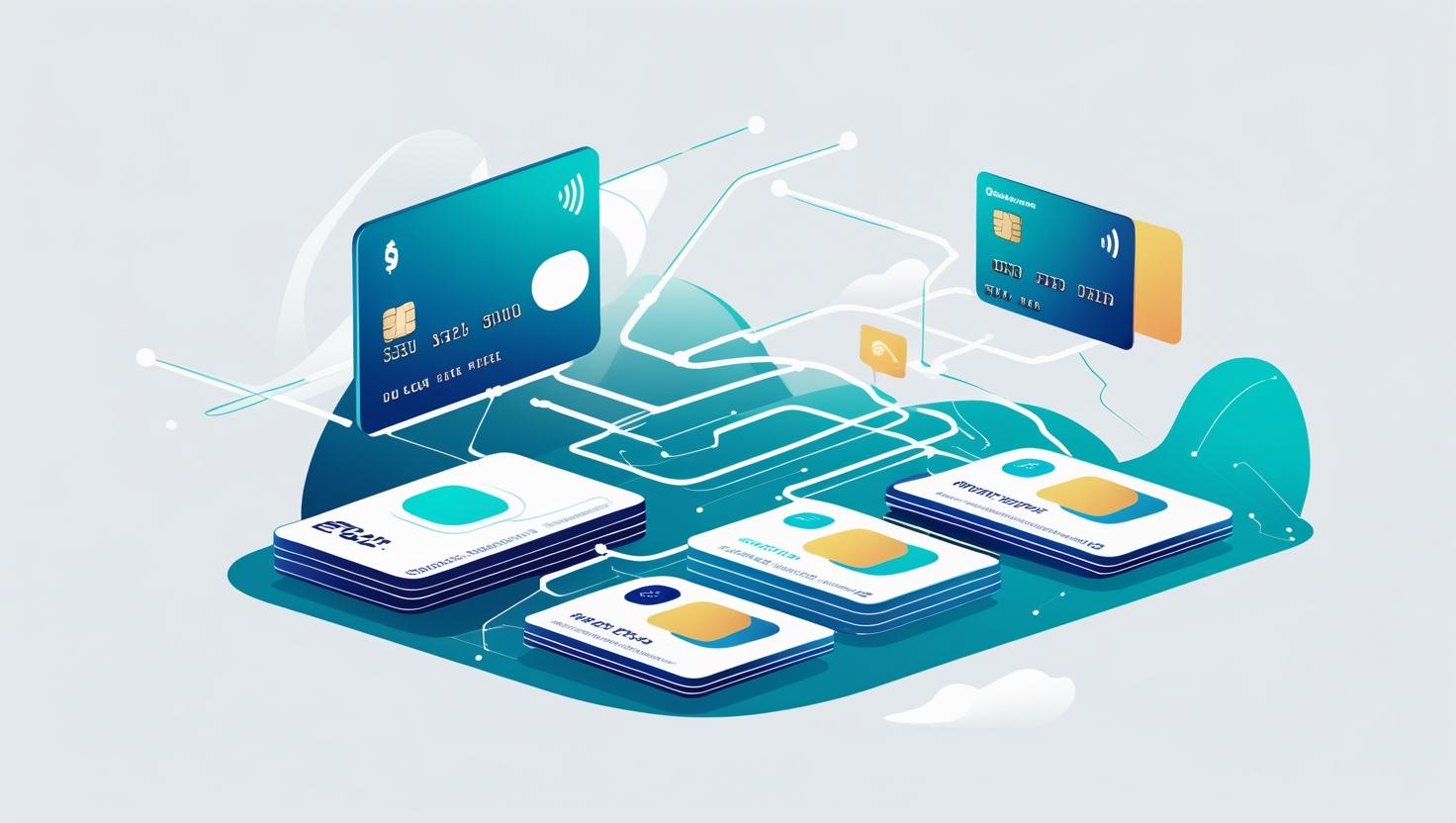
The Future of Embedded Payments
As businesses adopt digital-first models, payment infrastructure will continue to evolve. We can expect:
-
More widespread adoption of APIs for automation.
-
Greater reliance on virtual cards for B2B and B2C payments.
-
A shift toward multi-currency and crypto-friendly top-ups, reducing barriers for global commerce.
Virtual cards and fintech APIs are not just tools—they’re the foundation of the next generation of financial ecosystems.
Summary
Virtual cards and fintech APIs are transforming the way businesses manage money. From boosting security to improving efficiency and supporting global payments, these technologies are setting the stage for a smarter financial future. Providers like Buvei are playing a key role by offering flexible, transparent, and secure solutions.
Ready to simplify your payments and embrace the future of embedded finance?
👉 Discover how Buvei’s virtual cards can streamline your business transactions today.


