Introduction
In 2025, platform facilitators—spanning industries from HR tech to payroll and expense management—will continue to redefine the backbone of modern business operations. These platforms are evolving to not only manage core business functions such as employee onboarding and vendor disbursements but also to seamlessly integrate financial services that drive operational efficiency, scalability, and growth.
As businesses expand globally and increasingly adopt digital-first models, these platforms must respond to a heightened demand for speed, transparency, and personalized experiences, much like those seen in the consumer fintech space.
Here are five key strategies for platform facilitators to navigate the increasingly complex payment landscape in 2025.
Compliance as a Competitive Advantage
For platforms dealing with cross-border operations or handling sensitive financial data, compliance isn’t merely an afterthought—it’s a vital element of their strategy. Regulations such as SOC 2, PSD2, and GDPR require platforms to adopt rigorous standards for securing, auditing, and monitoring every financial interaction. Non-compliance can lead to hefty fines, security breaches, and a loss of user trust.
However, compliance should no longer be viewed as a burden. With embedded payment solutions, compliance can become a strategic enabler. By integrating protocols such as Know Your Customer (KYC), Anti-Money Laundering (AML), and fraud detection into the platform’s core infrastructure, platforms can streamline due diligence and identity verification processes. This allows them to scale quickly, serve more users, and confidently enter new markets. In fact, with automatic compliance features built into their systems, platforms will be able to differentiate themselves in the market by offering more secure and trusted payment solutions.
Disbursements as a Strategic Advantage
The speed and reliability of money movement have become central to user expectations. Platforms are under increasing pressure to facilitate real-time payments, whether disbursing wages, reimbursing expenses, or settling with vendors. This has become particularly crucial as businesses embrace digital-first financial models, where time is of the essence. Delays in payment can erode trust, especially when they involve critical functions such as employee wages or vendor relationships.
Embedded disbursement tools that enable real-time payouts to bank accounts, prepaid cards, or digital wallets are game-changers. They solve the timing and reliability issues by offering platforms a way to meet and exceed user expectations for rapid and flexible disbursements.
For example, imagine an HR tech platform that integrates real-time wage access. Employees could receive their pay within minutes of completing a shift, directly onto a branded card. The employer benefits from higher employee retention and productivity, while the platform boosts its value proposition by offering innovative financial services. This isn't just about moving money—it’s about creating moments of impact for users, making the platform indispensable in their day-to-day operations.
Reconciliation and Resolution Without Headaches
One of the most challenging aspects of financial operations for businesses lies in the reconciliation of transactions across different systems. Payroll, expense reports, and vendor payments often involve disparate systems and manual checks, which can be time-consuming and error-prone.
Platforms that embed intelligent payment systems can streamline and even automate this process. By leveraging artificial intelligence (AI), platforms can automatically match transactions, flag duplicates, and detect anomalies in real time. This reduces manual work, minimizes the risk of errors, and ensures that payments are reconciled quickly and accurately.
Take a B2B expense management platform, for instance, that issues virtual cards for employees to use for business-related purchases. The platform can automatically categorize charges, match receipts in real-time, and flag suspicious activity instantly. Disputes can be handled swiftly, saving both time and money. This proactive approach to reconciliation reduces financial headaches and builds trust with users by enhancing workflow efficiency.
Global Reach with Local Precision
As businesses expand into international markets, the need for platforms to offer global payment solutions becomes crucial. Cross-border payments are fraught with challenges, including the complexity of multiple currencies, fluctuating foreign exchange (FX) rates, and fragmented banking systems.
Embedded payment infrastructure can solve these issues by offering multi-currency disbursements, real-time foreign exchange, and compliance-ready international transfers—all from within the platform itself. This not only removes logistical barriers but also enhances the platform’s global scalability.
For example, a global payroll provider could use embedded payment tools to pay contractors in over 50 countries without requiring clients to set up local bank accounts. This capability simplifies the process of managing a global workforce and makes the platform indispensable for businesses seeking international growth.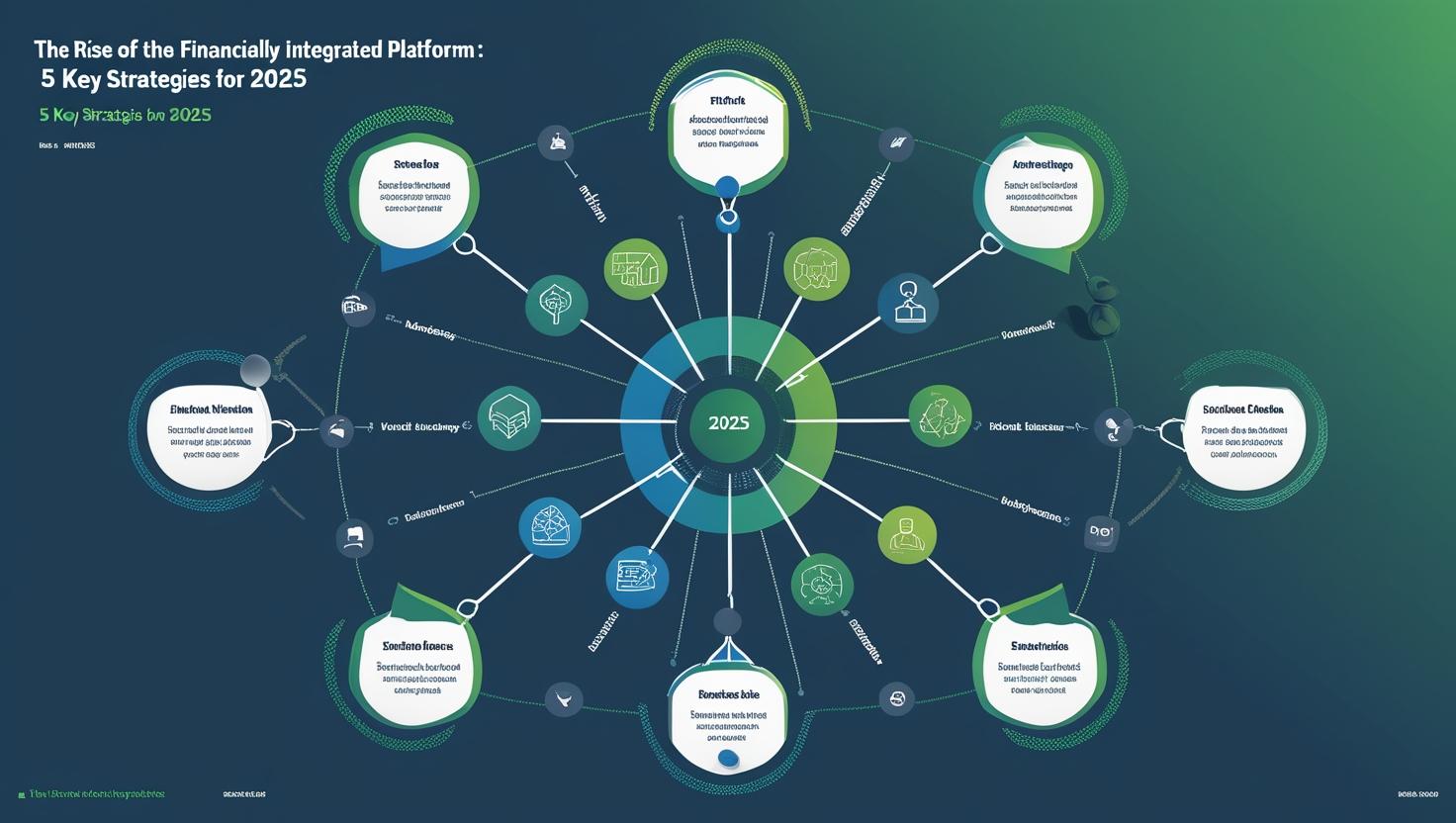
Moving from Utility to Ecosystem
As platform facilitators evolve, the question is no longer about simply adding payments to their services. Instead, it’s about building platforms that integrate payments seamlessly into the broader ecosystem. Payments should no longer be just the final step in a transaction; they must become part of the product experience itself.
Platforms that embed payments effectively are not only enhancing operational efficiency but also opening up entirely new revenue streams. By moving from being mere tools to trusted ecosystems, these platforms provide a central space where users can solve real problems. Payments, when done right, elevate the entire user experience, enabling businesses to offer additional value through services like subscription models, cross-border disbursements, and real-time wage access.
Summary
As we look toward the future, the most successful platform facilitators will be those that rethink their core value proposition—especially in how they handle payments. By embedding payment systems into the very infrastructure of the platform, providers can create smoother, more secure user experiences, and unlock new growth opportunities. The five key strategies—compliance, disbursements, reconciliation, global reach, and creating an ecosystem—are essential to this transformation.
Platform facilitators who can navigate these changes effectively will not only thrive in 2025 but will also redefine what it means to deliver exceptional value to their users. Embedded payments will become more than a feature—they will be a key differentiator, driving both operational efficiency and user trust.