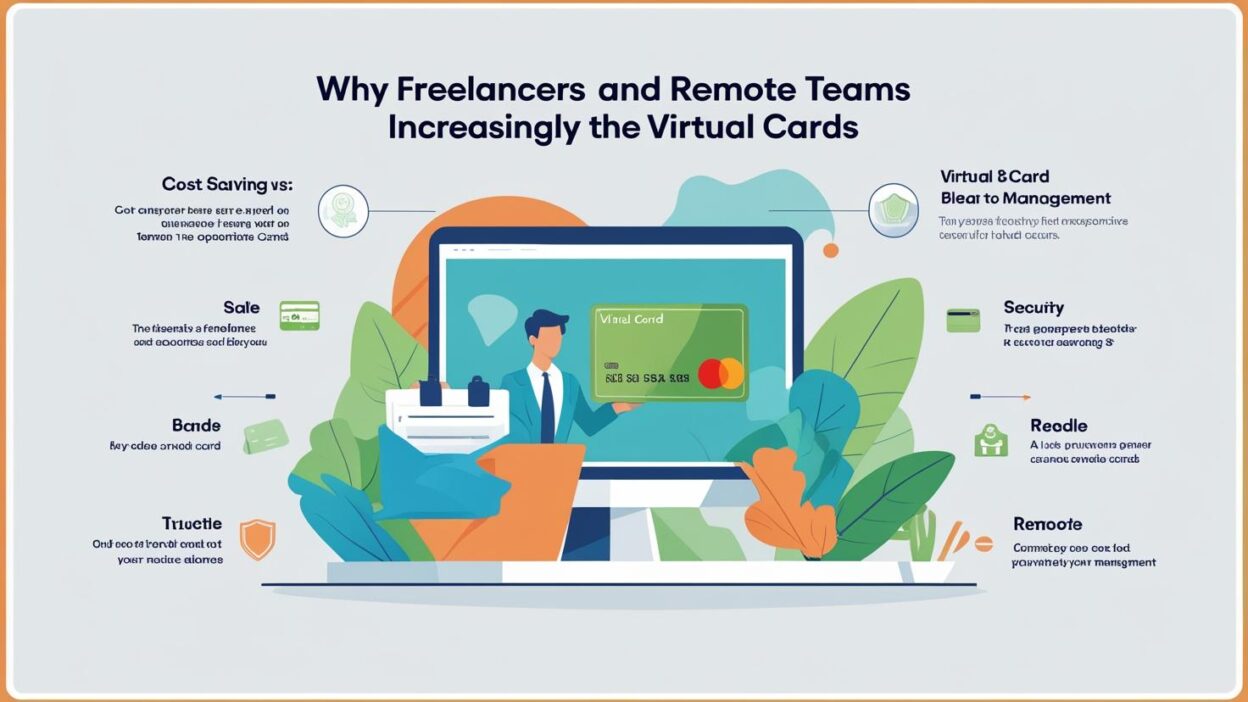
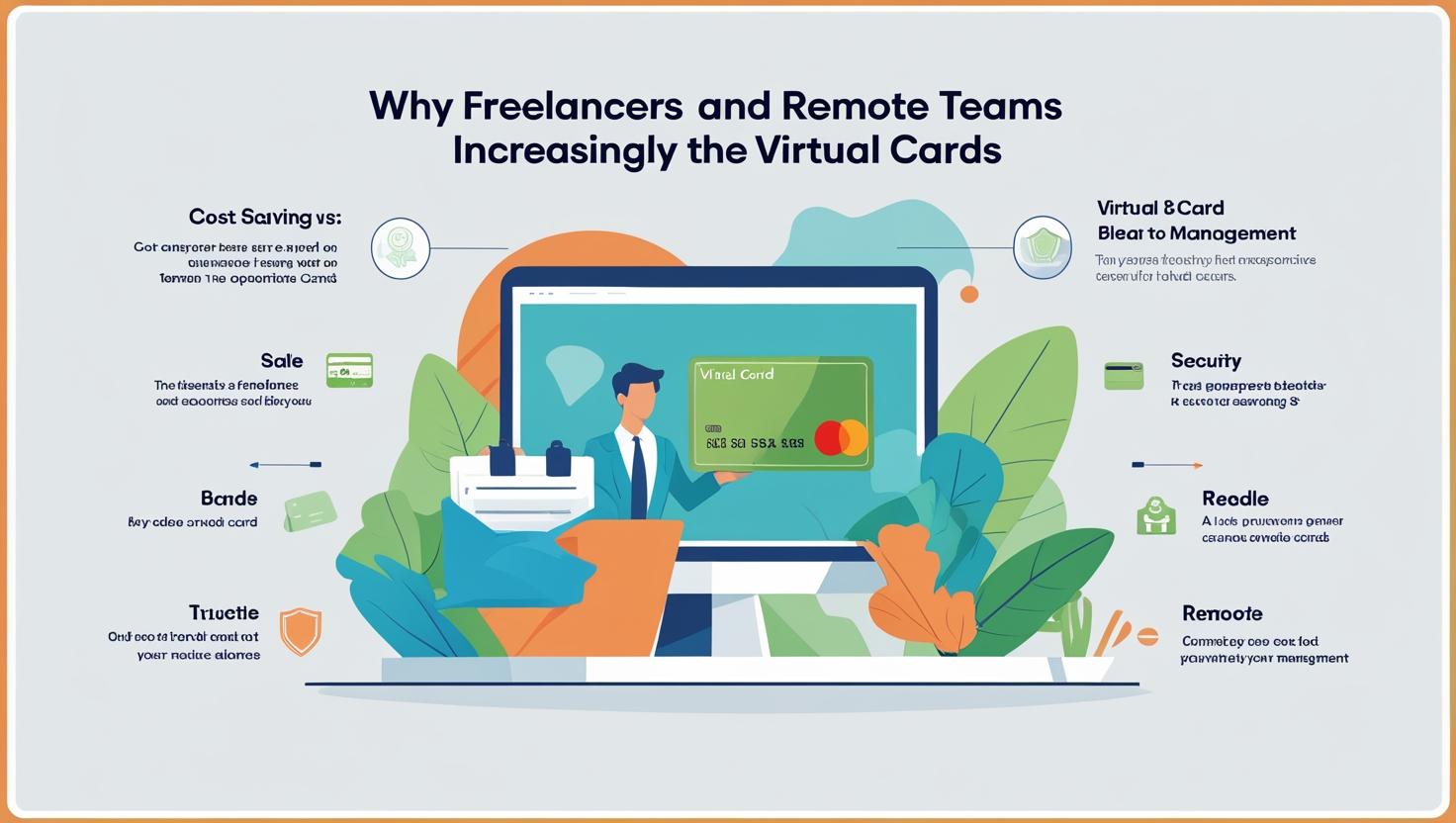
In the digital age, freelancers and remote teams face unique financial challenges. Managing online subscriptions, cross-border payments, and operational expenses efficiently is increasingly complex. Traditional banking systems often lack the flexibility required to support dynamic work environments, prompting many professionals to turn to virtual cards as a solution. Beyond convenience, virtual cards offer enhanced security, faster payments, and easier financial management—factors that are becoming essential for digital professionals.
Recent regulatory policies, such as updated international PCI DSS standards and the US Treasury guidelines on cross-border digital payments, have also reinforced the adoption of secure digital payment methods. This article explores why virtual cards are gaining popularity, how platforms like BUVEI empower freelancers and teams, and what policies are shaping this trend.
Streamlined and Flexible Online Payments
One of the primary reasons professionals are adopting virtual cards is their ability to simplify online transactions. Freelancers and remote teams often need to pay for advertising platforms like Google Ads, Meta Ads, TikTok Ads, and Microsoft Ads, as well as multiple SaaS subscriptions including ChatGPT, Canva, and Notion.
With virtual cards, payments are consolidated and easily managed. Platforms like Buvei provide strong payment compatibility, allowing cards to be used reliably across multiple services. This reduces the need for multiple bank accounts or physical cards, saving time and minimizing errors.
Policy updates in digital payment security, such as the EU’s PSD2 directive, encourage the use of secure digital payment instruments. By adopting virtual cards, freelancers and teams comply with these standards while maintaining operational efficiency.
Fast Funding and Lower Transaction Costs
Cross-border payments are often slow and expensive due to bank fees and currency conversion charges. Virtual cards, especially those supporting USDT top-ups (TRC20/ERC20) like BUVEI, significantly reduce these costs while ensuring faster fund arrivals. This feature is particularly beneficial for freelancers and remote teams working with clients worldwide, who need instant access to funds.
The US Treasury and global financial authorities have emphasized the importance of faster digital payment solutions to boost economic efficiency. Virtual cards meet this requirement by enabling low-cost, high-speed transactions without the delays associated with traditional banking.
Instant Issuance and Multi-Account Management
Waiting for physical cards or navigating complex KYC procedures can disrupt workflow. Virtual cards offer instant issuance, allowing professionals to begin transactions immediately after registration.
Buvei goes further by supporting multi-account management, enabling teams to issue and manage multiple cards from a single account. This batch management feature simplifies expense tracking, facilitates team collaboration, and saves manual administrative effort. For companies managing remote teams, this capability ensures better financial oversight and reduces operational inefficiencies.
Government and industry guidance also highlights the benefits of digital financial instruments for remote work compliance, providing additional legitimacy to the use of virtual cards in professional settings.
Enhanced Security, Privacy, and Transparent Fees
Security is a major concern for freelancers handling multiple transactions. Virtual cards help protect sensitive financial information by avoiding direct exposure of real bank account details. Platforms like Buvei comply with international PCI DSS security standards, minimizing the risk of theft or fraud.
Additionally, virtual cards provide a transparent fee structure, allowing users to monitor top-up and payment fees easily. Spending limits can be set for each card, giving teams precise control over budgets. Real-time online customer support and dedicated managers ensure any issues are addressed promptly, maintaining uninterrupted operations.
Regulatory updates on digital payments, such as the Bank Secrecy Act in the US, encourage transparency and accountability in financial transactions. Using virtual cards aligns with these policy requirements, further enhancing professional compliance.
Conclusion
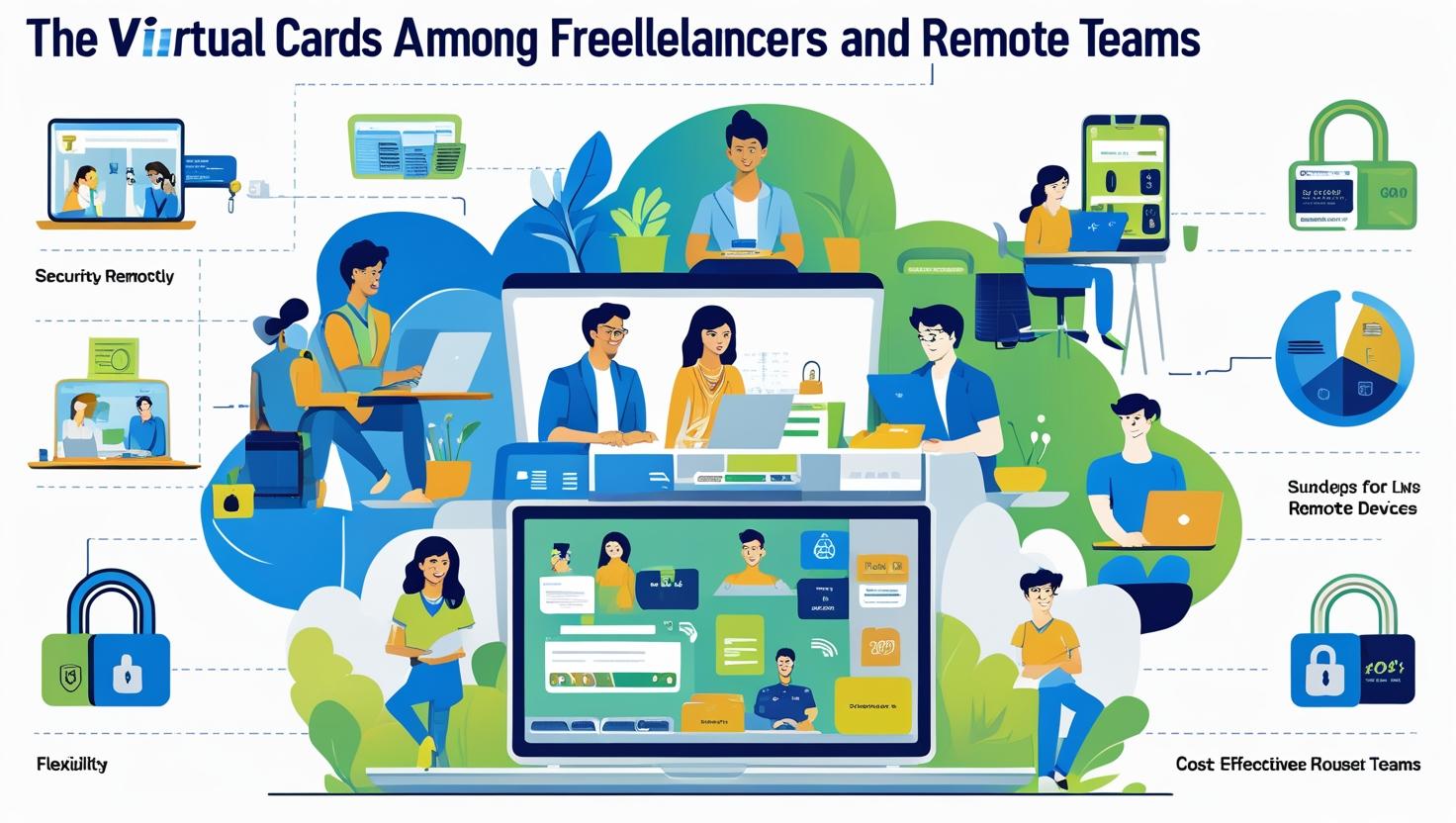
The adoption of virtual cards among freelancers and remote teams is more than a trend—it is a strategic response to the demands of modern digital work. They offer flexibility, security, speed, and operational efficiency that traditional banking methods struggle to match.
Platforms like Buvei enhance these benefits through instant card issuance, multi-account management, strong payment compatibility, USDT top-ups, and secure, transparent transactions. Coupled with supportive international policies and security standards, virtual cards are becoming indispensable tools for digital professionals worldwide.
By integrating virtual cards into their financial workflows, freelancers and remote teams can focus on productivity, reduce administrative burdens, and ensure secure, efficient management of their payments and subscriptions.
Start your account experience immediately.