In the world of digital payments, understanding the distinction between card authorization and capture is crucial—especially for businesses relying on virtual cards, subscription billing, and cross-border transactions. This article breaks down these fundamental concepts and explains why they matter for SaaS companies and global merchants alike.
What Is Card Authorization?
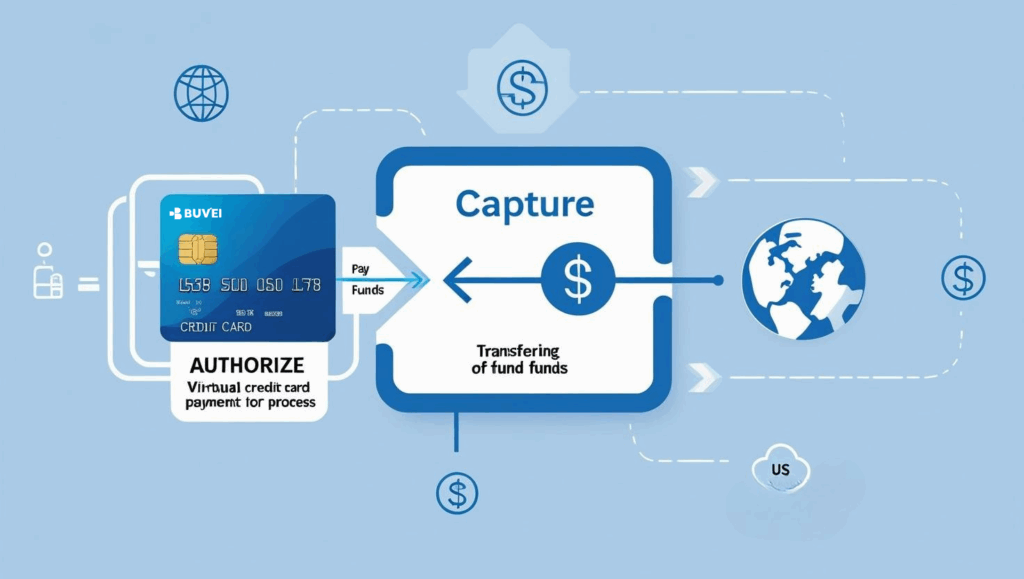
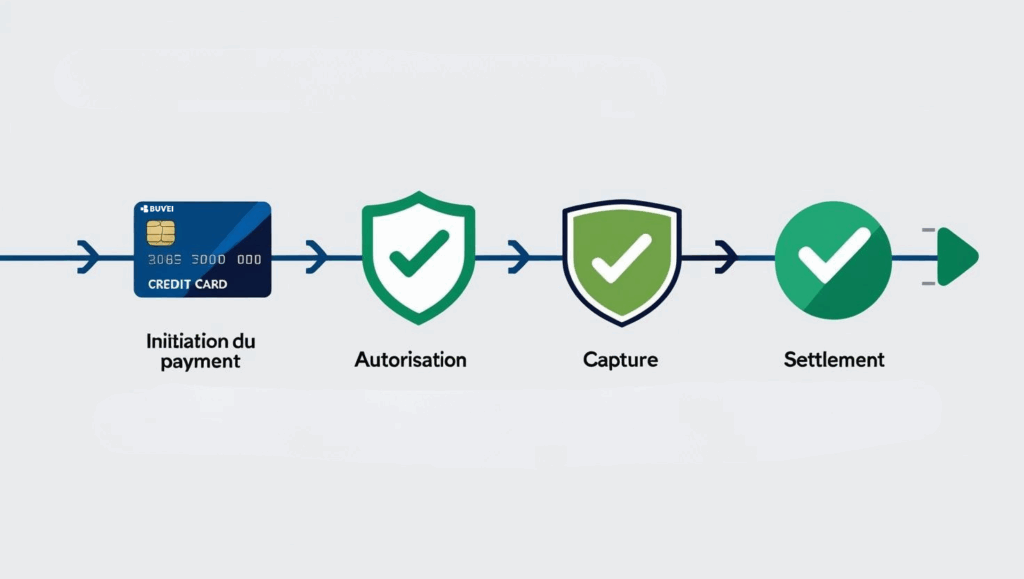
Card authorization is the initial step in a payment process where the card issuer confirms that the cardholder has sufficient funds or credit available. During authorization:
-
The payment gateway requests approval from the issuing bank.
-
A hold or reserve is placed on the cardholder’s account for the transaction amount.
-
No money is transferred yet; funds are simply earmarked to guarantee payment.
-
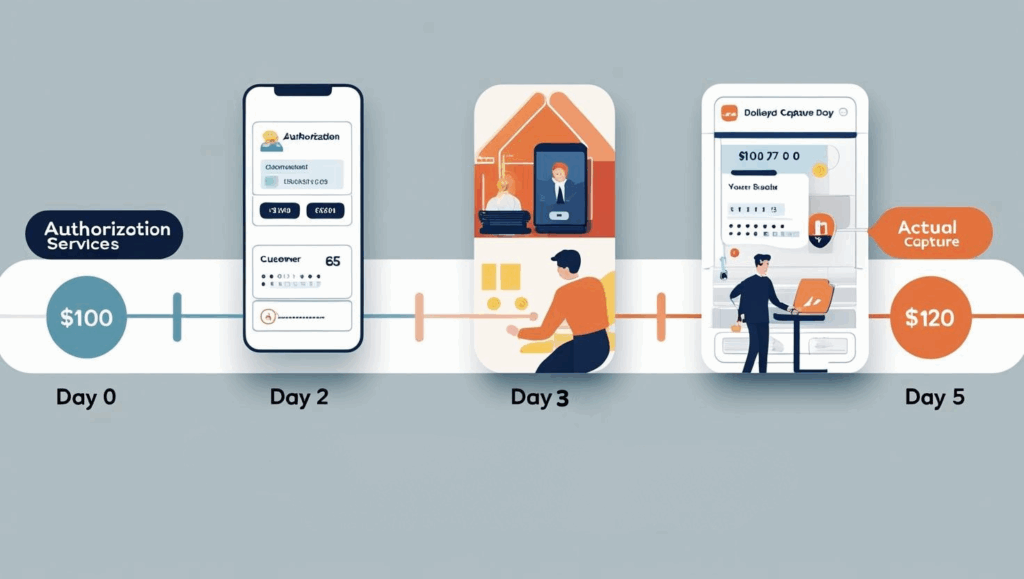
Authorization typically lasts from a few minutes up to 7 days, depending on the card network and merchant.
This step protects merchants by reducing the risk of declined or fraudulent payments downstream.
What Is Capture?
Capture is the process that actually moves the funds from the customer’s account to the merchant’s account:
-
After a successful authorization, the merchant submits a capture request.
-
Funds are deducted (or “captured”) from the customer’s account.
-
The transaction amount is settled and posted to both accounts.
-
Capture can occur immediately after authorization or be delayed (common in hotels, car rentals, SaaS subscriptions).
If capture isn’t completed within the authorization window, the hold expires and the funds are released back to the customer.
Authorization vs. Capture: Key Differences
| Aspect | Authorization | Capture |
| Purpose | Verify available funds and block amount | Transfer funds and complete payment |
| Timing | First step in transaction process | After authorization, final step |
| Funds movement | No actual money movement, only a hold | Actual deduction from cardholder |
| Validity | Typically minutes to days | Immediate once captured |
Why Businesses Should Care
For SaaS companies operating subscription models or global merchants handling cross-border payments:
-
Understanding authorization expiry is vital to avoid failed charges.
-
Failed captures after authorization can lead to revenue loss and customer dissatisfaction.
-
Managing multiple currencies and virtual cards requires sophisticated authorization and capture logic.
-
Virtual cards powered by Buvei streamline this process, reducing declines and improving cash flow.
How Buvei Simplifies Authorization & Capture
Buvei’s virtual card platform is built to optimize both authorization and capture stages:
-
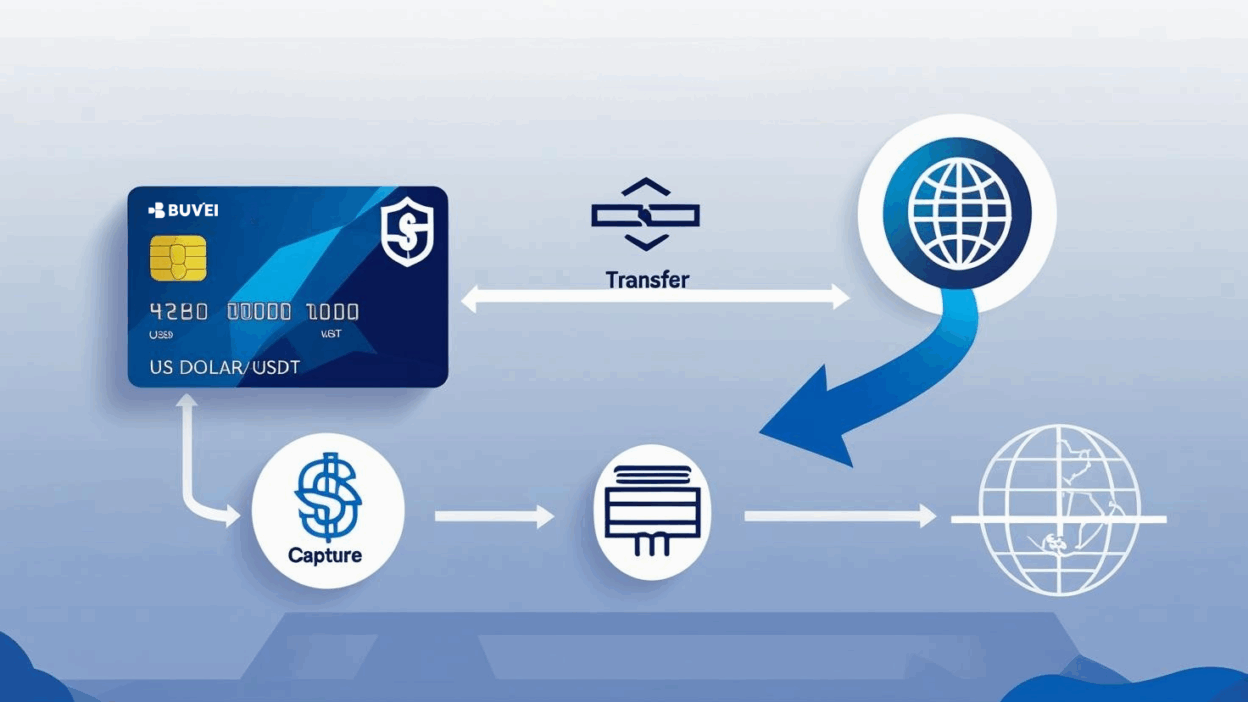
Supports multiple stablecoins (USDT ERC20/TRC20), reducing currency risk.
-
Enables real-time transaction monitoring to quickly retry failed captures.
-
Offers multi-account management, letting finance teams allocate budgets per project or region.
-
Enhances payment success rates with intelligent authorization holds tailored for SaaS billing cycles.
Conclusion
Grasping the difference between card authorization and capture is more than a technicality—it's a business imperative. For SaaS and international merchants, leveraging platforms like Buvei that excel in these processes can mean better payment success, healthier cash flow, and happier customers.
🚀 Ready to streamline your payment process? Create your Buvei virtual card today: buvei.com