Have you ever experienced failed charges or card freezes while using virtual cards for ads, e-commerce, or subscriptions? The culprit is often an overlooked factor: the MCC code (Merchant Category Code).
What is an MCC?
MCC stands for Merchant Category Code, a four-digit number defined by major card networks (Visa, Mastercard, etc.) to categorize the type of merchant accepting a payment.
Some common MCC examples include:
-
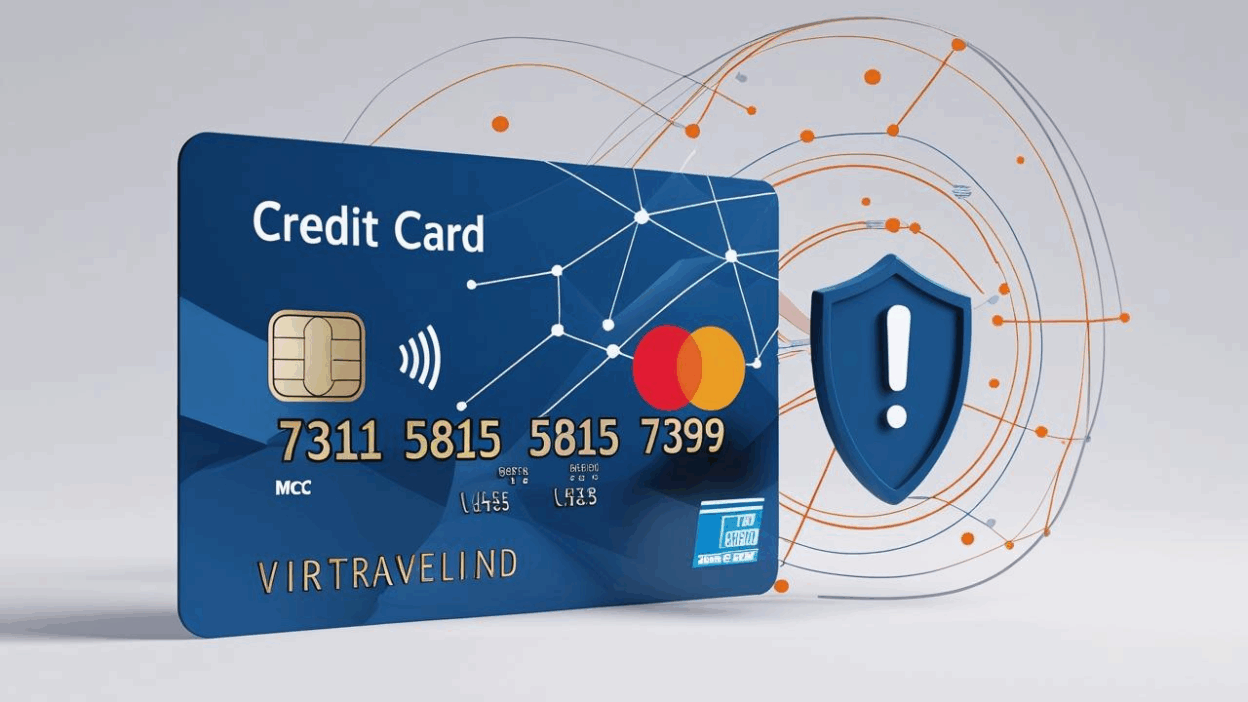
7311 – Advertising Services (Google Ads, Facebook Ads)
-
5815 – Digital Content Subscriptions
-
5999 – Miscellaneous Retail Stores
Every transaction carries an MCC, acting like a label that tells the card issuer what industry the purchase belongs to.
Why MCC Codes Matter for Virtual Card Risk Control
While MCCs rarely matter for personal credit cards, they are a core layer of risk control in corporate virtual card systems.
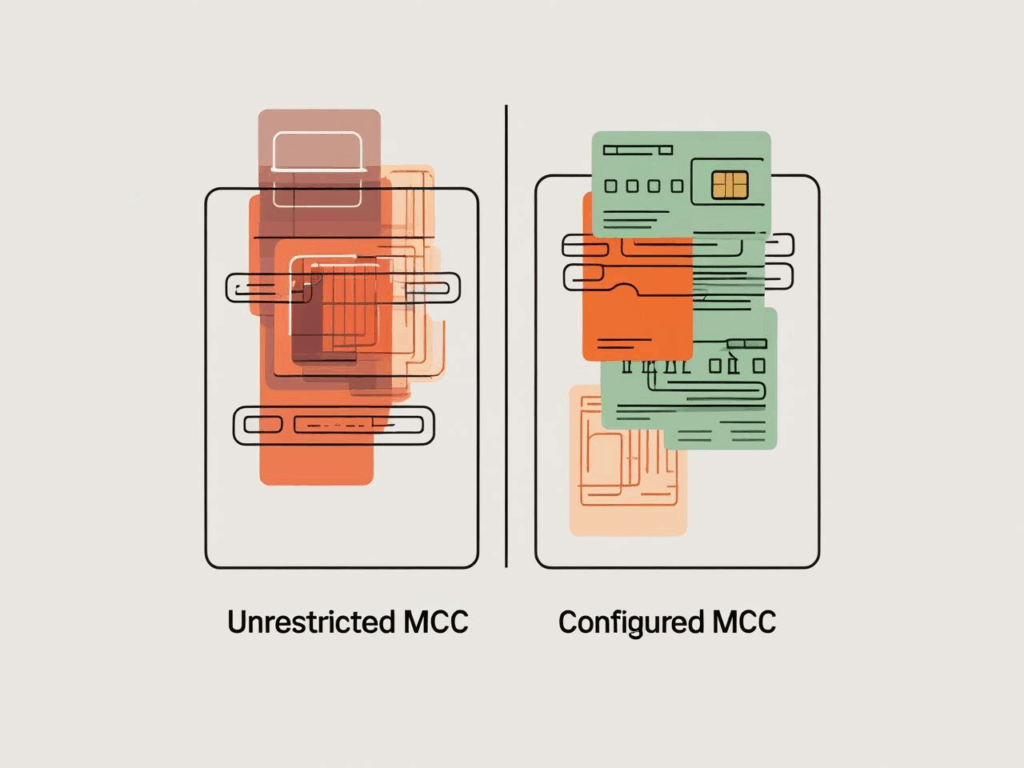
For example, on the Buvei platform, you can configure MCC restrictions to:
✅ Limit spending to approved platforms like ad networks
✅ Block unintended charges from e-commerce or subscription traps
✅ Prevent employee misuse or accidental spend
✅ Improve your overall risk profile to avoid card bans
Think of MCC control as issuing a “business visa”—your virtual card can only spend where it’s authorized.
Why Buvei Offers Better MCC Management
Buvei allows precise MCC-based rules on a per-card basis, giving businesses more granular security and flexibility:
🔒 Restrict cards to ad merchants like Google Ads or Meta
🛍 Allow selected categories like SaaS, media, or VPN platforms
❌ Block unrelated merchant categories that don’t fit your use case
📊 Pair with detailed reporting to track category-level spend in real time
This level of control is especially valuable for outbound marketing, procurement, and global SaaS teams dealing with frequent transactions.
Frequently Asked Questions (FAQ)
Q1: How do I know which MCC a platform uses?
A: Most users can’t see MCC codes directly, but platforms like Buvei allow you to view them in transaction logs or exports for better financial analysis.
Q2: What happens if a merchant uses the wrong MCC?
A: If the MCC is outside the permitted range, the transaction will be automatically declined. It’s a useful safeguard, though we recommend testing first or confirming the MCC with the merchant if critical.
Q3: What are common MCCs for advertising platforms?
| Platform | Typical MCC |
| Google Ads | 7311 – Advertising Services |
| Facebook Ads | 7311 – Advertising Services |
| TikTok Ads | 7311 or 7399 (varies by region) |
| Microsoft Ads | 7311 |
Q4: Do all virtual card providers support MCC filtering?
A: No. Many legacy card providers or bank-issued virtual cards don’t allow MCC-based restrictions. Buvei gives enterprise-grade controls suitable for marketing, procurement, and SaaS operations.
MCC: The Hidden Power Behind Smart Payment Control
If you're managing multiple ad accounts, e-commerce platforms, or departmental budgets, don't overlook the power of MCC filters. With Buvei, you can:
-
Stop unauthorized charges
-
Reduce chargeback risks
-
Avoid platform-level payment flags
-
Create more accountable and transparent spending systems
💡Sign up for Buvei to see how MCC restrictions can make every transaction safer and smarter.