
Many website owners prefer using digital assets for online purchases, especially when managing international projects or operating outside traditional banking systems. However, completing a direct Hostinger crypto payment is not always straightforward depending on region, billing configuration, or account setup.
Even when cryptocurrency options are limited or unavailable at checkout, users can still pay Hostinger with crypto by using a crypto-funded virtual card. This method converts stablecoins into a standard card payment that works with most hosting providers worldwide.
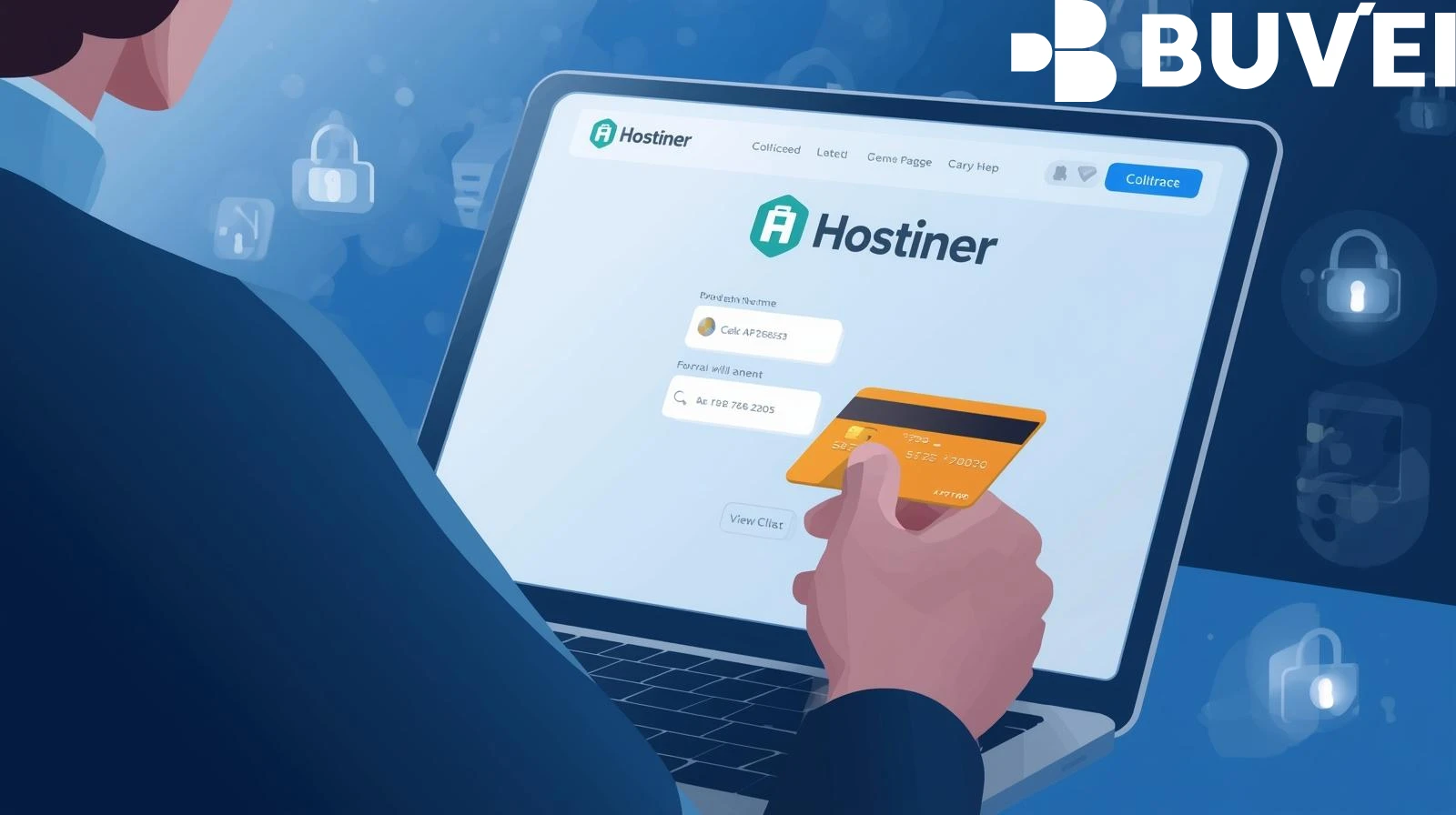
Hostinger Payment Methods Explained
Hostinger supports a wide range of payment options, which may vary by country and product type.
Typical accepted methods include:
-
Credit and debit cards
-
Digital wallets
-
Bank transfers in certain regions
-
Other local payment solutions
Cryptocurrency support may not be consistently available for all users or services, particularly for domain renewals and recurring billing. As a result, many customers rely on alternative solutions to use crypto funds.
Crypto Workarounds for Hostinger Domain Purchases
A crypto-funded virtual card provides a universal payment method compatible with standard checkout systems.
Instead of attempting to pay directly with digital assets, you preload funds into a virtual card account. The card operates on traditional networks such as Visa or Mastercard, allowing it to be used anywhere those cards are accepted.
Advantages of this approach include:
Broad Merchant Acceptance
Works not only for domains but also for hosting plans, SSL certificates, and add-ons.
Privacy Protection
Reduces the need to link personal bank accounts to multiple online services.
Budget Control
Prepaid balances prevent unexpected charges.
Cross-Border Convenience
Eliminates issues related to currency conversion and international banking restrictions.
For businesses managing multiple websites, virtual cards also simplify expense tracking.

Step-by-Step: Paying Hostinger with a Virtual Card
Once the virtual card is ready, purchasing or renewing a domain is straightforward.
Step 1 — Log In to Your Hostinger Account
Access your dashboard and select the domain or service you want to purchase.
Step 2 — Proceed to Checkout
Choose the billing period and confirm the order details.
Step 3 — Select Card Payment
Choose credit or debit card as the payment method.
Step 4 — Enter Virtual Card Information
Provide:
-
Card number
-
Expiration date
-
CVV
-
Billing details
Step 5 — Complete the Transaction
Submit the payment. Once approved, the domain will be registered or renewed immediately.
Auto-Renewal Setup Using Virtual Cards
Domain expiration can disrupt websites and email services, so configuring renewal payments is critical.
Enable Automatic Billing
Set the virtual card as the default payment method for your account.
Maintain Sufficient Balance
Ensure funds are available before the renewal date.
Monitor Expiration Dates
Replace cards proactively if they approach expiration.
Use Dedicated Cards for Domains
Separating domain expenses from hosting or marketing budgets simplifies financial management.
Common Payment Issues & Fixes
Occasionally, transactions may fail due to security checks or configuration mismatches.
Payment Declined
Verify sufficient balance and correct billing details.
Authorization Failure
Some providers perform small verification charges before approving the card.
Recurring Payment Errors
Ensure the card remains active and funded.
Regional Acceptance Issues
Cards issued with widely accepted BIN regions tend to perform better internationally.
Maintaining a small buffer balance can prevent interruptions.

Final Thoughts
Although direct Hostinger crypto payment options may be limited or inconsistent, users can still pay Hostinger with crypto by leveraging virtual card technology. This approach provides a reliable bridge between digital assets and conventional billing systems, enabling domain purchases and renewals without relying on traditional banking.
For individuals and businesses managing global web assets, crypto-funded virtual cards offer flexibility, privacy, and control. Platforms such as Buvei simplify the process by allowing stablecoin deposits and rapid card issuance, making it possible to maintain uninterrupted hosting services while operating entirely within a digital-first financial framework.