
Many developers, startups, and privacy-focused users prefer to pay for infrastructure using digital assets. However, completing a direct Linode crypto payment is not currently an option. Like most enterprise cloud providers, Linode processes billing through traditional card networks and banking systems.
Fortunately, there is a practical workaround. You can pay Linode with crypto by funding a virtual card with stablecoins and using it as a standard payment method. This approach combines the flexibility of cryptocurrency with the universal acceptance of Visa and Mastercard networks.
This guide explains the reality of Linode billing, how crypto-funded virtual cards work, and the exact steps to pay for cloud services without using a conventional bank card.
Does Linode Accept Crypto Directly? (Reality Check)
Linode — now part of Akamai — does not accept cryptocurrency payments at checkout. Accounts must be billed through supported methods such as credit cards or PayPal (depending on region).
Key reasons include:
-
Compliance with global financial regulations
-
Stable revenue accounting requirements
-
Fraud prevention systems tied to card networks
-
Limited demand relative to operational complexity
-
Integration with enterprise billing infrastructure
For organizations operating in the crypto ecosystem, this limitation can create friction when provisioning cloud resources quickly.
Using Crypto Virtual Cards for Linode Billing
A crypto-funded virtual card acts as a bridge between blockchain assets and traditional payment systems.
Instead of converting crypto into fiat through a bank, users load stablecoins into a virtual card account. The card then functions like a regular debit or credit card.
Benefits include:
Global Acceptance
Works with most online services, including cloud providers.
Faster Funding
Stablecoin transfers can settle quickly compared to international wire transfers.
Privacy Protection
No need to expose primary bank account details.
Budget Control
Preloaded balances limit spending to the allocated amount.
Recurring Billing Support
Cards can be used for monthly infrastructure charges.
For developers running production workloads, maintaining uninterrupted billing is essential to avoid service downtime.
How to Fund Buvei with Crypto for Cloud Payments
One effective method is using a platform that allows stablecoin deposits and instant virtual card issuance.
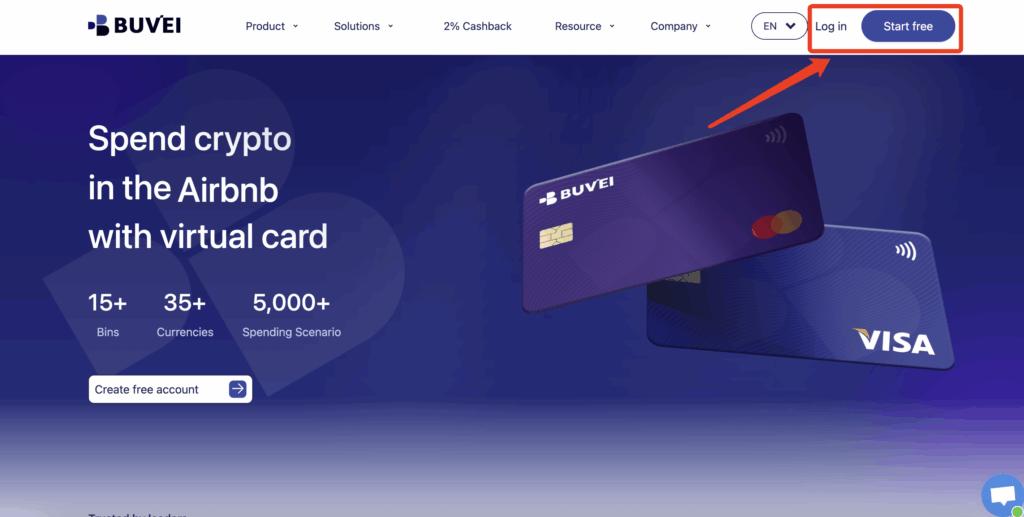
Step 1 — Register a Buvei Account
Visit https://buvei.com
Create a free account and complete email verification. After verification, log in to access the Buvei dashboard
Step 2 — Deposit Crypto into Your Wallet
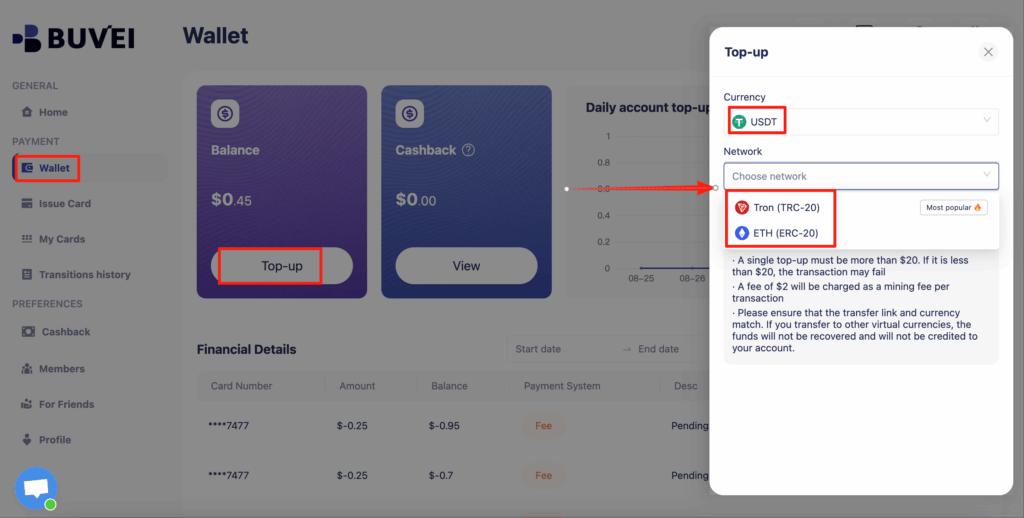
Navigate to the Wallet section.
-
Choose USDT on TRC20 or ERC20 network
-
Copy your unique deposit address
-
Send funds from your crypto wallet or exchange
-
After confirmation, your balance will appear
Step 3 — Issue a Virtual Card
Go to the Cards tab.
Select your preferred BIN region (U.S. BIN recommended for international services)
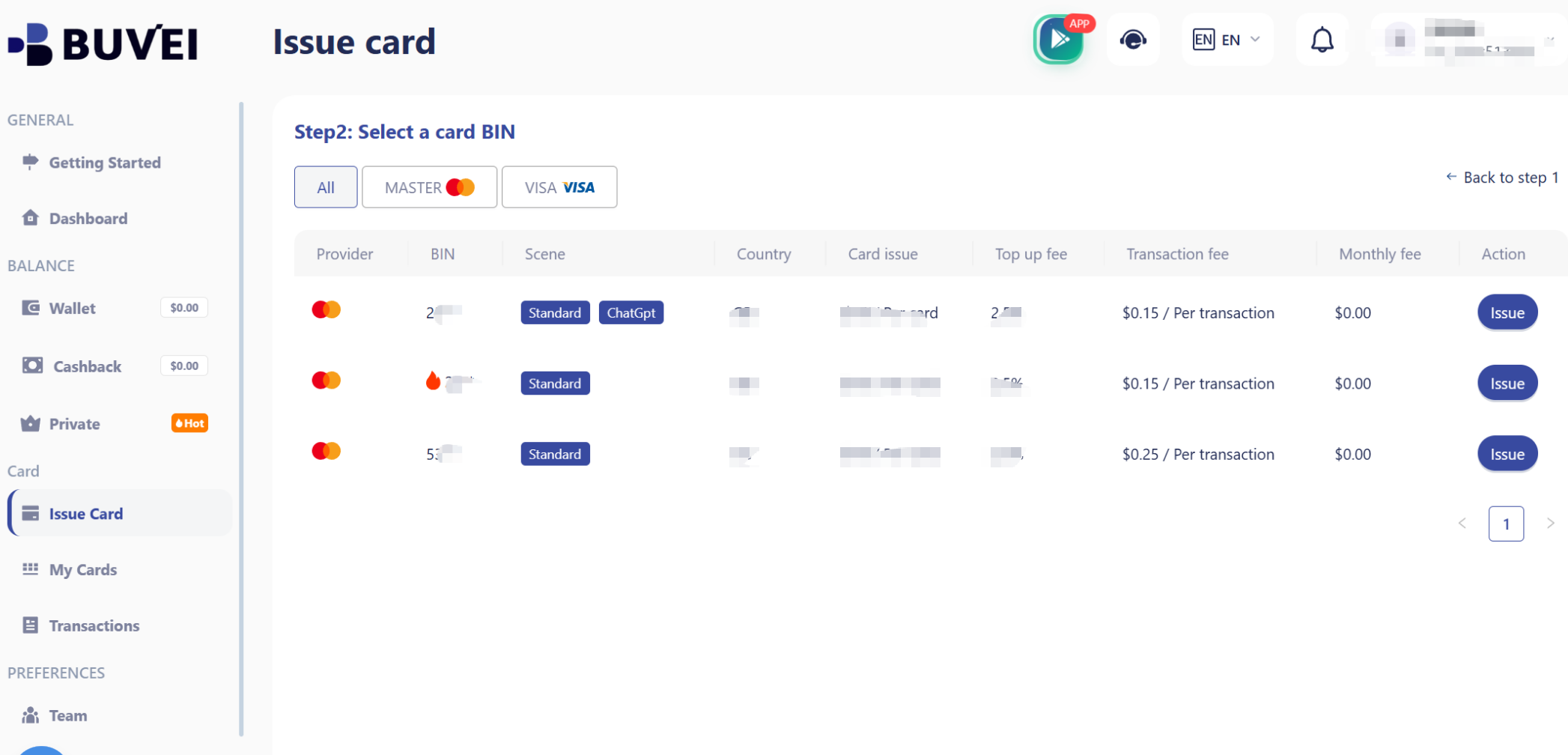
Choose card type
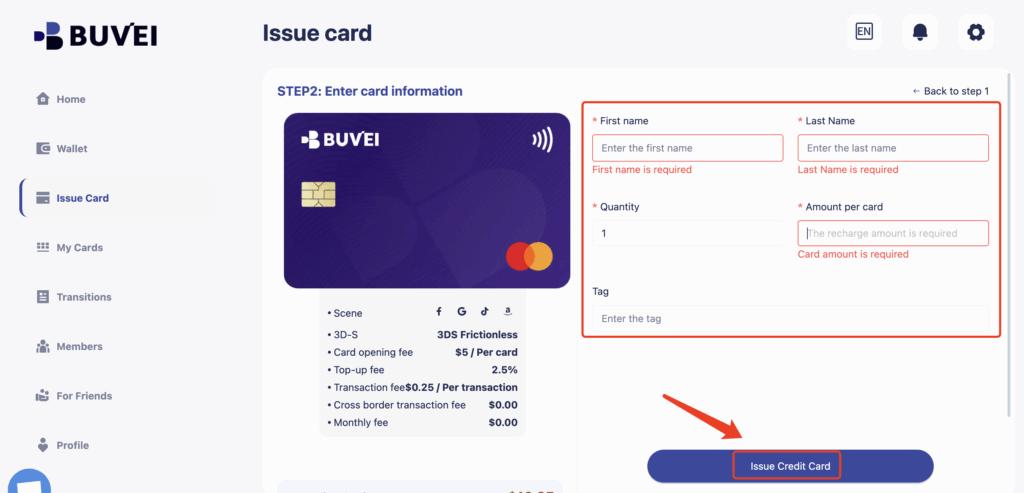
Enter details — card name, funding amount, and quantity
Click Issue Card
Step 4 — View Card Information
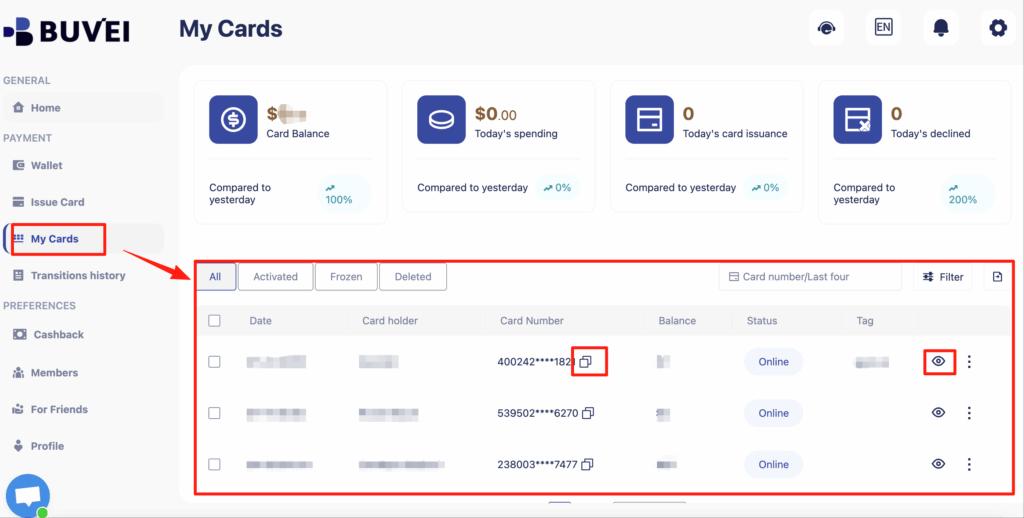
Under My Cards, you can access:
-
Card number
-
Expiration date
-
CVV
-
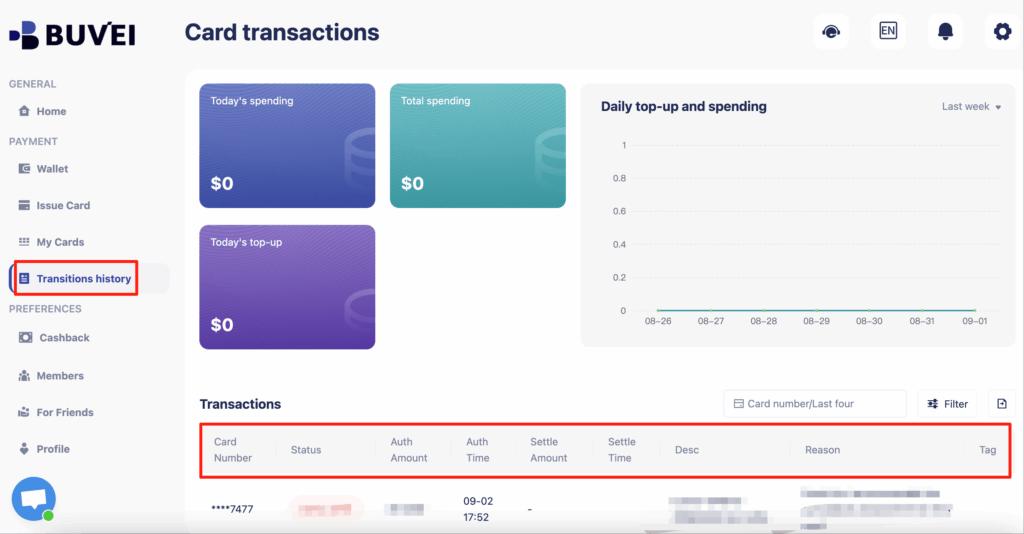
Transaction records
The card is ready for immediate use.
Avoiding Billing Suspensions & Failed Charges
Cloud providers enforce strict billing policies. Failed payments can lead to account suspension or resource shutdown.
Common causes and prevention strategies include:
Insufficient Balance
Ensure funds cover usage spikes, taxes, and pending charges.
Expired or Inactive Cards
Monitor expiration dates and replace cards proactively.
Authorization Blocks
Some platforms flag unusual transactions; using widely accepted BIN regions can help.
Network Delays
Fund accounts well before billing cycles to avoid last-minute issues.
Maintaining a small buffer balance is a best practice for production environments.

Managing Multiple Linode Accounts with Virtual Cards
Organizations often operate separate accounts for development, testing, and production.
Virtual cards simplify this structure.
Account-Level Budgeting
Assign a dedicated card to each Linode account.
Risk Isolation
Billing problems in one environment do not affect others.
Cost Tracking
Finance teams can reconcile expenses by project or department.
Rapid Scaling
New infrastructure projects can be launched without waiting for corporate card approvals.
This approach aligns with modern DevOps practices emphasizing modularity and resilience.
Final Thoughts
While direct Linode crypto payment is not available, users can still pay Linode with crypto by leveraging virtual card technology. This method provides a reliable bridge between digital assets and traditional billing systems, enabling developers and businesses to operate cloud infrastructure without relying on conventional banking.
For teams managing global deployments or preferring blockchain-based funding, crypto-backed virtual cards offer flexibility, control, and continuity. Platforms such as Buvei streamline this process by allowing stablecoin deposits and rapid card issuance, making it possible to maintain uninterrupted cloud services in a digital-first financial workflow.