Online commerce in Mexico has expanded rapidly over the last few years. More freelancers, developers, and digital businesses are working with global platforms for software, advertising, and cloud services.
However, making international payments can still be difficult for many users. Some banks block foreign transactions, while others decline recurring subscriptions or digital platform charges.
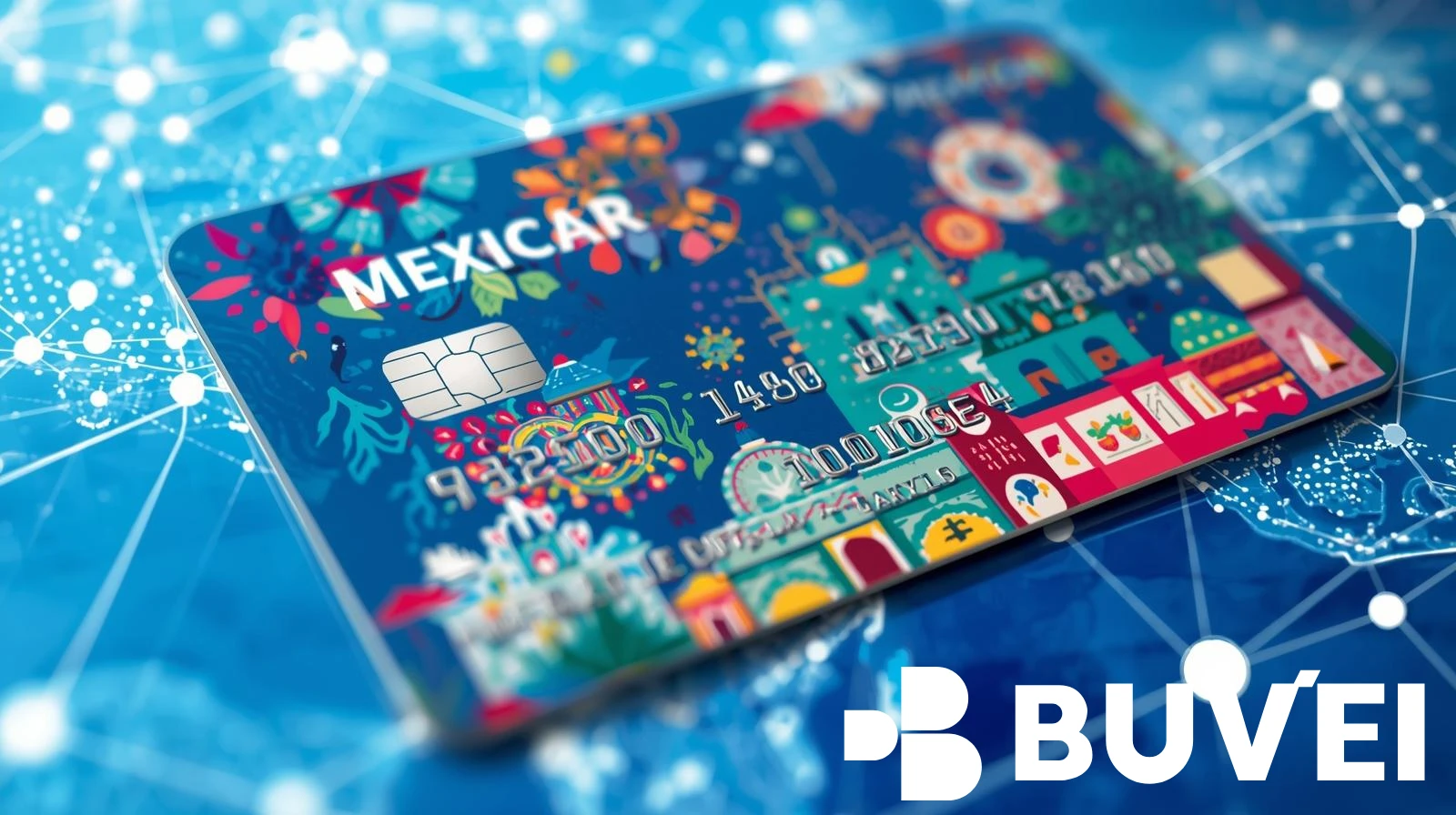
Because of these limitations, virtual cards Mexico users rely on are becoming an increasingly common solution. They allow people to pay for global services without relying solely on traditional bank cards.
How Virtual Cards Work in Mexico
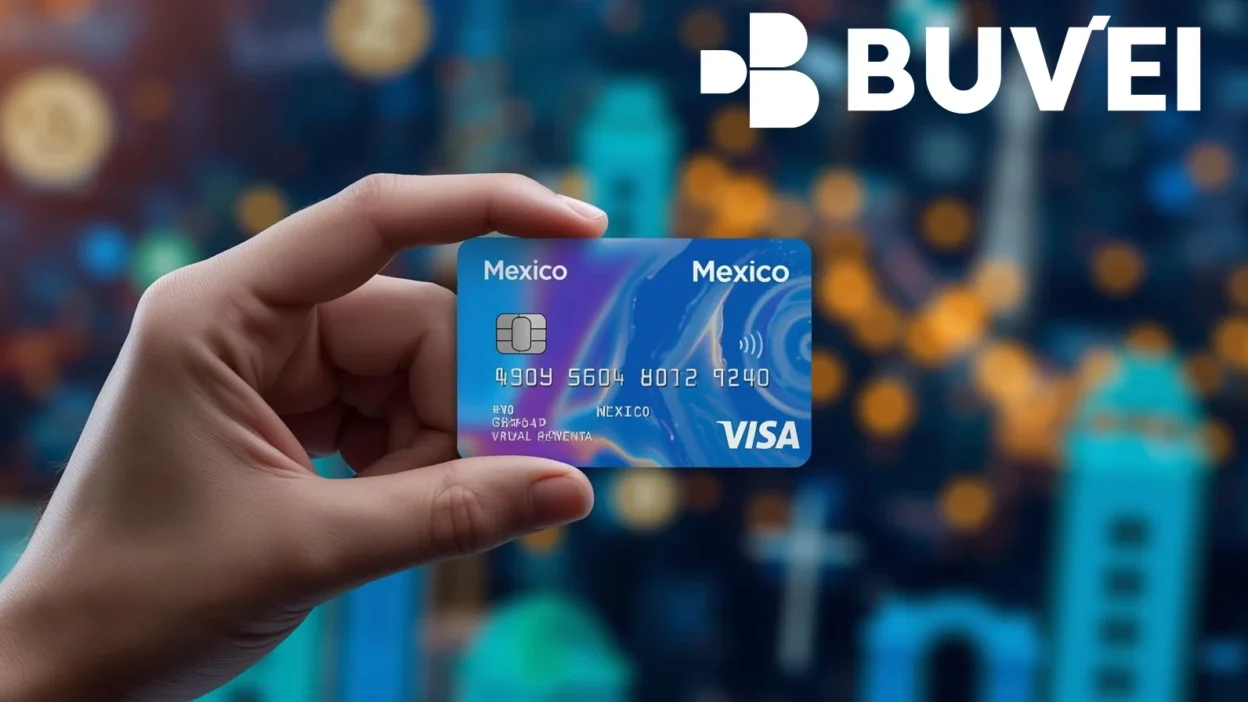
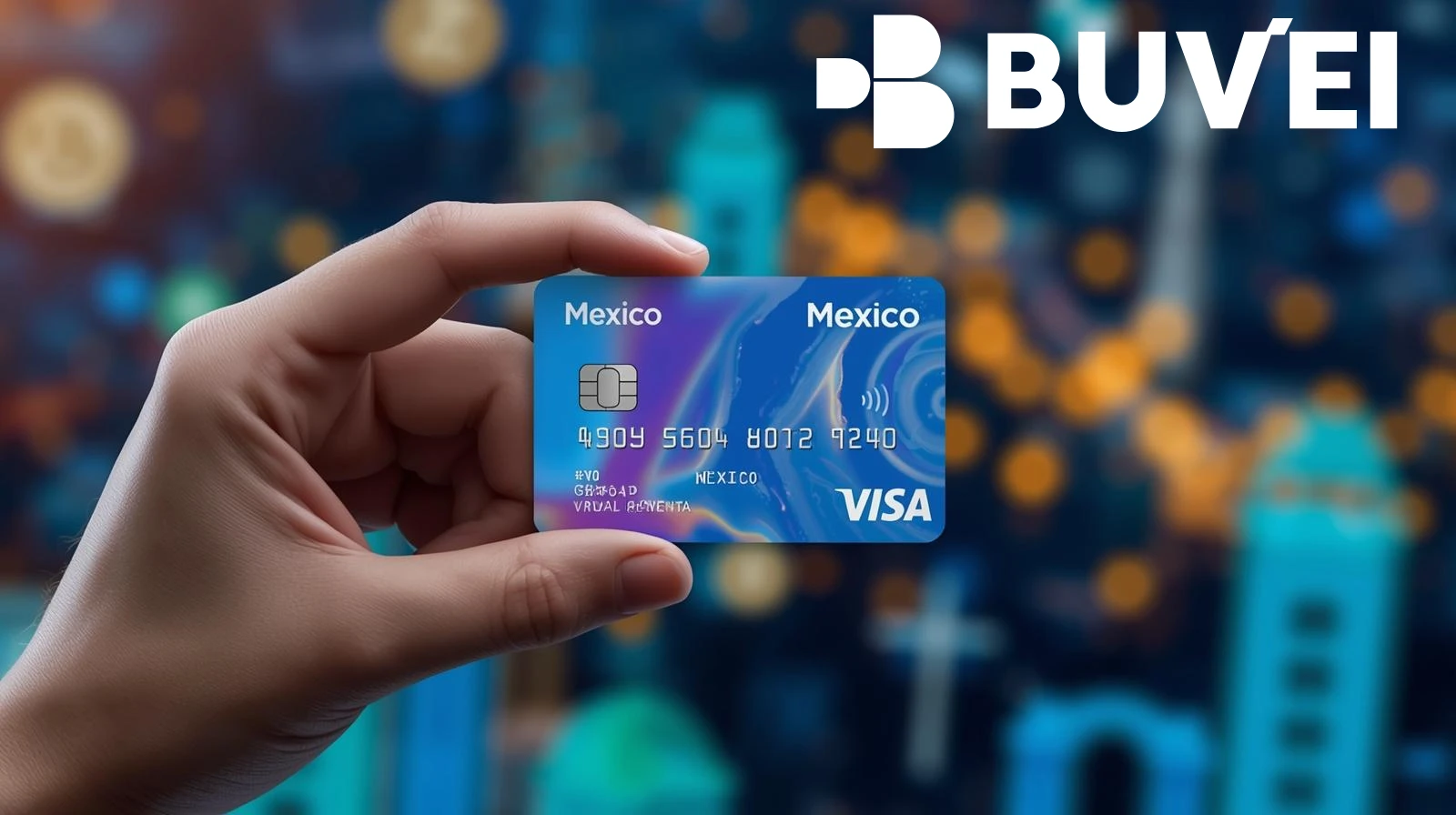
A virtual card is a digitally generated payment card that functions like a standard debit or credit card. It includes a card number, expiration date, and CVV code but exists only online.
Most virtual cards operate on global payment networks such as Visa or Mastercard, which allows them to work with international platforms.
Key characteristics include:
Instant issuance
Users can generate cards online without waiting for physical delivery.
Prepaid balances
Funds are loaded into the card before spending, helping control budgets.
Multiple card creation
Users can create separate cards for different platforms or services.
Transaction tracking
Most platforms provide dashboards that show real-time spending activity.
These features make virtual cards useful for individuals and businesses handling frequent digital payments.
Challenges Mexican Users Face with Online Payments
Despite the growth of digital payments in Mexico, several obstacles still exist when paying international platforms.
International transaction blocks
Some banks restrict cross-border payments due to fraud protection policies. This can lead to declined transactions when purchasing digital services.
Recurring subscription failures
Global services often charge monthly subscription fees. Traditional bank cards may reject these recurring payments if the billing pattern triggers risk controls.
Currency conversion issues
Payments billed in USD or EUR may cause additional verification or conversion fees through local banks.
Limited compatibility with global services
Certain online platforms require cards with specific international BIN ranges to process payments correctly.
These challenges explain why many users turn to virtual cards designed for international use.
What Makes a Good Virtual Card Platform in Mexico
Not all virtual card providers offer the same reliability. Several technical factors determine whether a card will work consistently for global payments.
International BIN availability
Cards with US or global BINs typically have higher acceptance rates for SaaS, advertising platforms, and digital services.
Fast card issuance
Instant card creation is essential when users need to activate subscriptions or run advertising campaigns quickly.
Flexible funding methods
Platforms that support stablecoin funding, such as USDT, allow users to deposit funds quickly without traditional bank transfers.
Multi-card management
Businesses and media buyers often need multiple cards to separate expenses across platforms or campaigns.
Clear fee structure
Transparent pricing helps users understand top-up costs, transaction fees, and card issuance fees.

Cross-Border Payment Tips for Mexico Users
When paying international services, a few practical steps can improve payment success rates.
Use separate cards for different services
Creating a dedicated card for each subscription or platform helps isolate billing issues.
Set spending limits
Using prepaid cards with defined balances prevents unexpected charges.
Monitor recurring payments
Checking subscription billing cycles ensures sufficient funds are available before renewals.
Choose internationally compatible cards
Cards designed specifically for cross-border payments tend to perform more reliably with global platforms.
These practices help reduce transaction failures and simplify financial management.
Using Buvei Virtual Cards for Flexible Mexico Payments
Buvei provides virtual cards designed for international online payments. The platform supports global transactions and is widely used for SaaS tools, advertising platforms, and digital services.
Some key features include:
-
Multiple BIN regions with strong global compatibility
-
Support for platforms like Google, Meta, and other digital services
-
USDT (TRC20/ERC20) funding for fast deposits
-
Instant virtual card issuance
-
Multiple card management from a single dashboard
-
Transparent fee structure with visible balances
These capabilities make it easier for Mexico users to manage cross-border payments.
Conclusion
As global digital services continue to expand, reliable payment tools are becoming essential for international users. For many individuals and businesses handling Mexico online payments, traditional banking options do not always provide the flexibility needed for cross-border transactions.
Virtual cards help solve these issues by offering better payment compatibility, improved spending control, and fast online issuance. For users looking to manage subscriptions, advertising budgets, or global SaaS services, virtual cards Mexico users can access provide a practical and efficient solution.