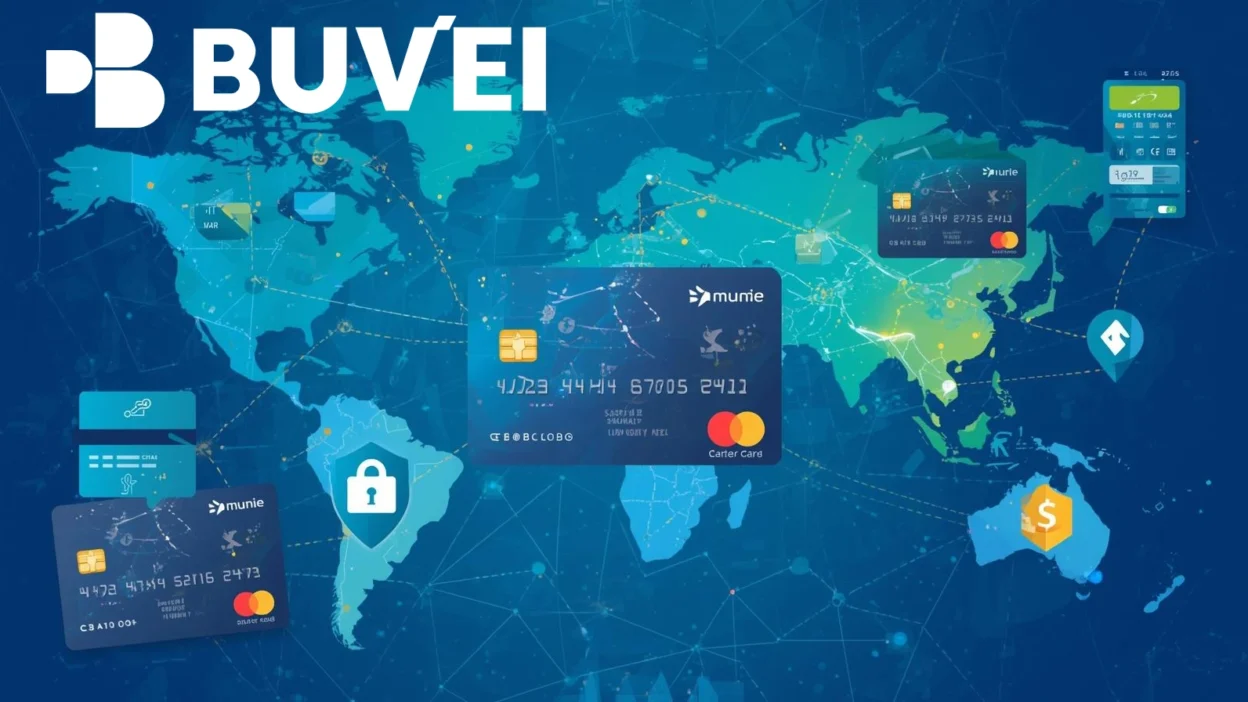
Freelancing has become a global industry. Designers, developers, marketers, and consultants now work with clients across different countries and time zones. While remote work has created more opportunities, it has also introduced new challenges—especially when it comes to managing payments.
Many freelancers need reliable methods for paying for software tools, advertising platforms, and digital services. Traditional bank cards often struggle with international compatibility, which is why virtual cards for freelancers have become increasingly popular.

Why Global Freelancers Need Virtual Cards
Freelancers typically rely on multiple digital tools to manage their work. These include project management software, design platforms, AI tools, and cloud services.
Because many of these platforms operate internationally, payment flexibility becomes important.
Virtual cards offer several benefits:
Separation of expenses
Freelancers can create separate cards for tools, advertising, or operational costs.
Improved budgeting
Prepaid cards allow users to load specific balances for monthly subscriptions.
Better security
Virtual cards reduce the need to share primary bank card details across many services.
Faster setup
Unlike physical cards, virtual cards can be issued immediately and used online.
These advantages make them particularly useful for freelancers who work with multiple online services simultaneously.
Managing Client Payments and Subscriptions with Virtual Cards
Freelancers often manage a combination of income sources and recurring expenses.
Typical freelancer expenses include:
-
Design tools and SaaS subscriptions
-
Domain registrations and hosting services
-
Marketing platforms and advertising budgets
-
AI tools and productivity software
Some freelancers also manage client advertising accounts or digital campaigns.
Using dedicated virtual cards allows freelancers to assign a specific card to each platform. This approach makes it easier to monitor expenses and identify billing issues quickly.
Many freelancers also separate personal spending from business tools by maintaining different virtual cards for each category.
Handling Multi-Currency Payments as a Freelancer
Freelancers frequently work with international clients. Payments may be received in USD, EUR, GBP, or other currencies.
However, expenses often occur on global platforms that require international payment methods.
Virtual cards operating on networks like Visa or Mastercard are generally accepted across a wide range of services.
These cards help freelancers:
-
Pay for global SaaS platforms
-
Subscribe to cloud services
-
Manage advertising accounts
-
Purchase software tools
For freelancers who frequently interact with international services, virtual cards provide a consistent payment option across multiple currencies.

Common Payment Challenges Freelancers Face
Despite the growth of remote work, freelancers still encounter several payment challenges.
Card declines on international platforms
Some banks automatically block foreign transactions, which can cause subscriptions or service payments to fail.
Recurring billing issues
Monthly subscriptions sometimes trigger bank security checks, especially when payments occur across borders.
Difficulty separating expenses
Using one bank card for multiple services can make financial tracking difficult.
Security risks
Sharing a primary bank card with multiple platforms increases the risk of unauthorized charges.
Virtual cards help address these challenges by allowing freelancers to create controlled, isolated payment methods for different services.
Why Buvei Virtual Cards Fit Global Freelancers
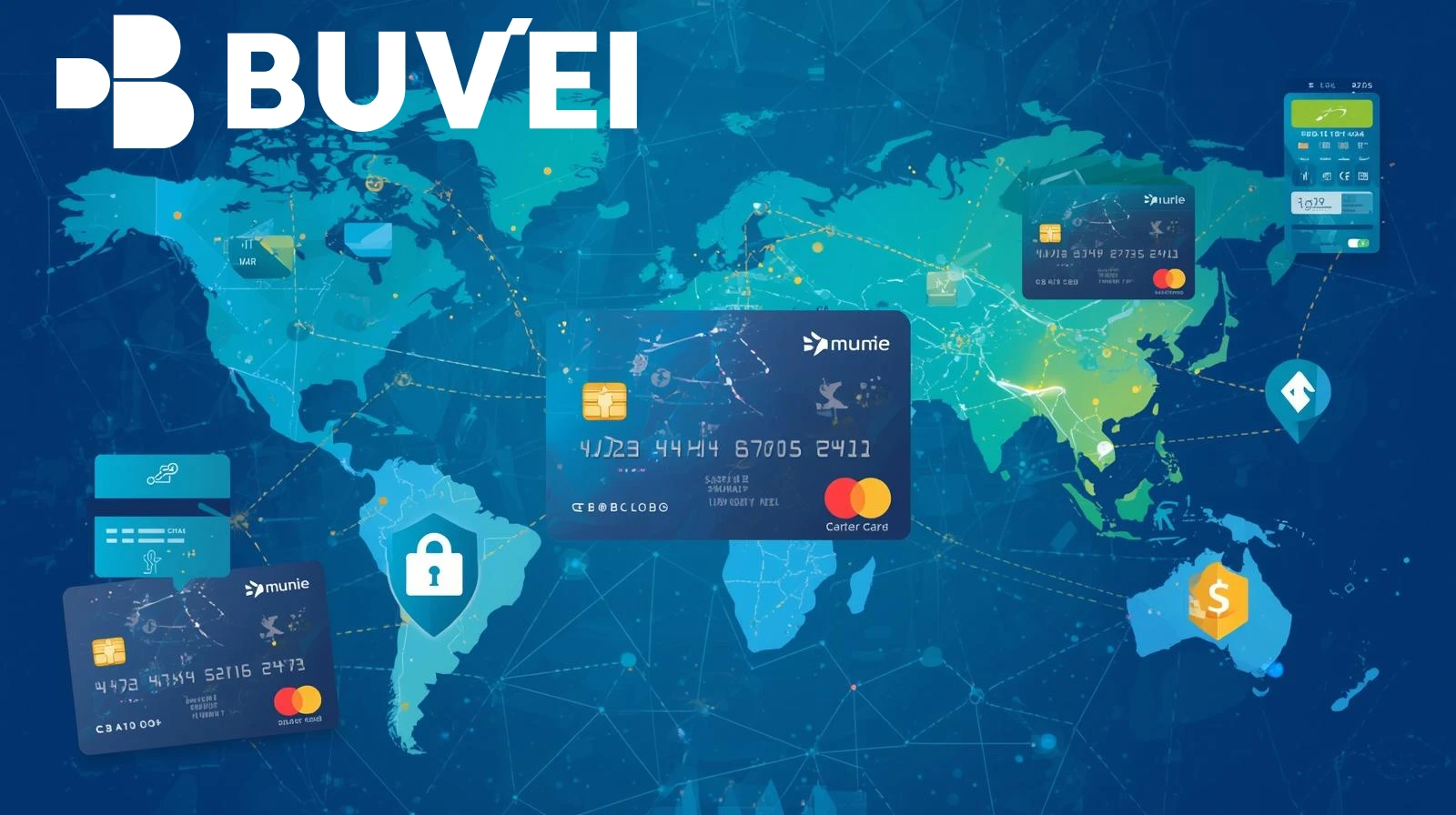
Buvei offers virtual cards designed for international online payments. These cards are commonly used for SaaS tools, advertising platforms, and digital services.
Key features include:
-
Support for multiple BIN regions, including US BIN options
-
Compatibility with global platforms such as Google services and Meta advertising platforms
-
Instant virtual card issuance
-
USDT (TRC20/ERC20) deposits for fast account funding
-
Multiple card creation for different services
-
Transparent fee structure and real-time transaction tracking
These capabilities make Buvei suitable for freelancers who manage multiple online tools and subscriptions.
Conclusion
Freelancers working across borders rely on a wide range of digital tools and services. Managing payments for these platforms requires flexibility, security, and international compatibility.
Virtual cards provide a practical solution by allowing freelancers to separate expenses, control budgets, and reduce payment failures. For many remote professionals managing global freelancer payments, using virtual cards for freelancers has become an effective way to handle subscriptions, software tools, and online business expenses.