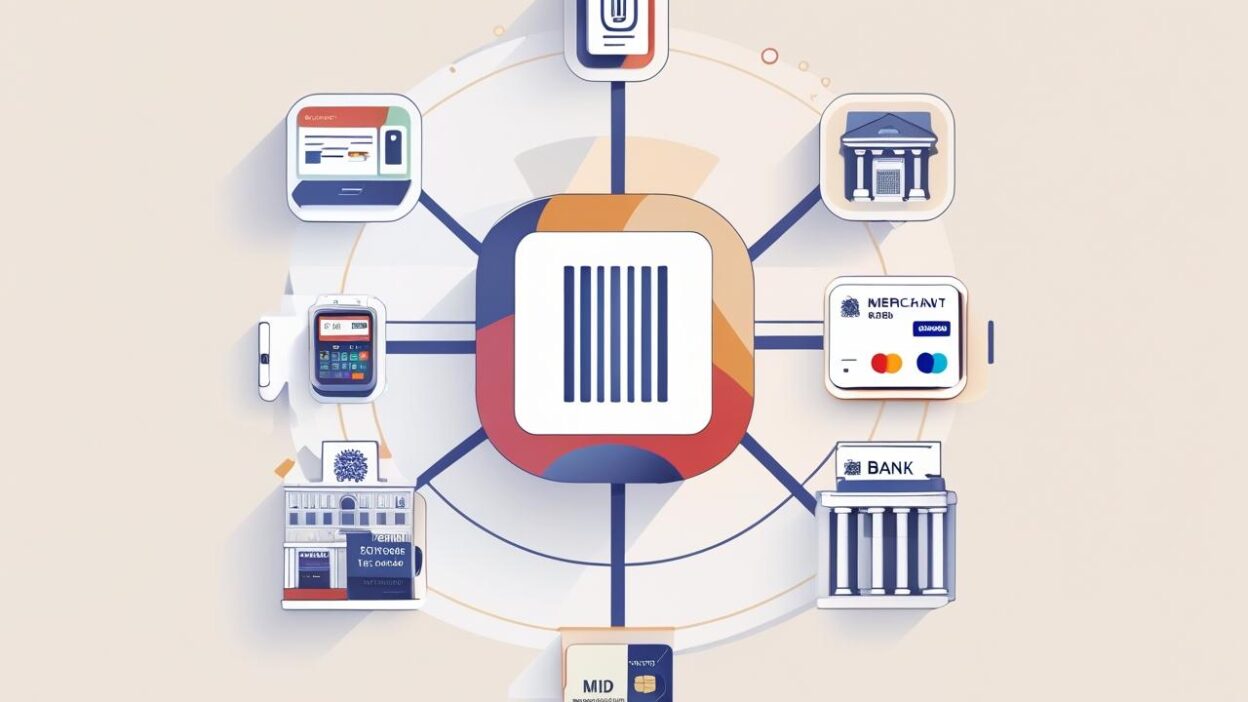
Ever wondered what actually happens when a customer taps their credit card — and how the funds land in your business account? One of the unsung heroes behind the scenes is the Merchant Identification Number, or MID.
Whether you're running an ecommerce store or managing payments across multiple business locations, understanding how your MID works can help you optimize reconciliation, reduce errors, and scale your operations more effectively.
Let’s break it down.
What Is a Merchant Identification Number (MID)?
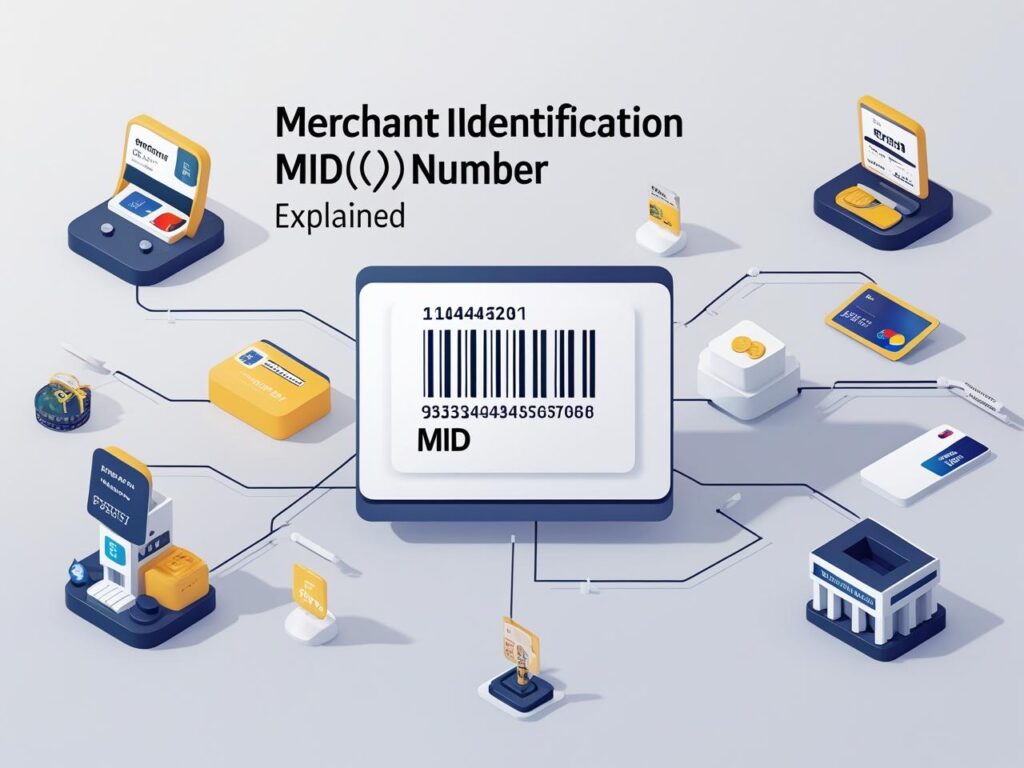
A Merchant Identification Number — or MID — is a unique 15-digit code issued by an acquiring bank. It’s used to identify a specific merchant in the credit card processing system and ensure funds are routed correctly during transactions.
How Do You Get a MID?
To receive a MID, your business must apply for a merchant account with an acquiring bank or payment service provider (PSP).
You’ll usually need to submit:
-
Business registration documents
-
Identity verification (KYC)
-
Compliance or risk review documents
Once approved, the acquirer issues a dedicated MID to your business.
⚠️ Using Stripe, PayPal, or Square? You're likely operating under a shared MID as part of a payment aggregator model — meaning you don’t have your own dedicated merchant ID.
Why Is a MID Important?
The MID is what tells the card processing network:“Send the money here.”
Every time a customer pays with a card, the MID helps:
-
Identify your business in the network
-
Route funds to your account correctly
-
Enable accurate reconciliation and reporting
In essence, if you want to accept card payments independently — especially at scale — having your own MID is essential.
How Does a Merchant ID Work in a Transaction?
The MID travels with every transaction through the payment processing network, helping coordinate communication between all involved parties. Here's a simplified look at how it works:
-
A customer makes a purchase with their credit card.
-
The payment data is sent to the merchant account provider.
-
The provider forwards the data to the acquiring bank.
-
The acquirer submits the request to the cardholder’s issuing bank.
-
The issuing bank approves the transaction if funds are available.
-
The acquirer receives the approval and initiates the fund transfer.
-
The merchant provider deposits the funds into the business bank account.
Throughout this process, the MID ensures the payment ends up in the right place.
Can a Business Have Multiple MIDs?
Usually, a business only needs one MID. But in certain industries or use cases, having multiple MIDs can improve accounting and operational clarity.
Examples include:
-
Hotels: Separate MIDs for room bookings, on-site restaurants, or spa services.
-
Restaurants: Different MIDs for dine-in, takeout, and catering operations.
-
Airlines: One MID for ticket sales, another for cargo, and another for onboard purchases.
-
Omnichannel Retailers: Distinct MIDs for online vs. in-store sales.
-
Multi-location Chains: Each location may have its own MID to track performance and revenue independently.
Having multiple MIDs allows businesses to isolate transactions by department, service type, or sales channel, which is helpful for financial tracking and reconciliation.
Final Thoughts
The Merchant Identification Number may not be something you think about every day — but it’s absolutely critical to how your business gets paid.
As you grow and expand into new payment methods, geographies, or sales channels, understanding how MIDs work will help you:
-
Reduce risk
-
Improve reconciliation
-
Stay compliant with acquirers
Ready to simplify your merchant payment infrastructure?👉 Talk to our team at Buvei — and let’s make your MID strategy scalable.