
The global crypto payments landscape is evolving fast. From Latin America to the UK, major developments are reshaping how businesses and consumers interact with digital assets. Here's a roundup of three key stories making waves in the industry this week.
Binance Integrates Brazil’s Pix for Real-Time Crypto Transfers
Binance, the world’s largest crypto exchange by volume, has integrated Brazil’s instant payment network Pix, allowing users to convert and transfer crypto assets into Brazilian reais in real time. This move comes as part of Binance’s broader strategy to localize crypto infrastructure in key emerging markets.
Pix, operated by the Central Bank of Brazil, has already surpassed traditional card payments in transaction volume. With this integration, Binance users in Brazil can now enjoy faster fiat withdrawals and on-ramp conversions—potentially setting a new standard for crypto-fiat interoperability in Latin America.
This step reinforces the growing synergy between centralized payment systems and decentralized assets, making crypto more usable for everyday commerce in one of the world’s most active fintech regions.

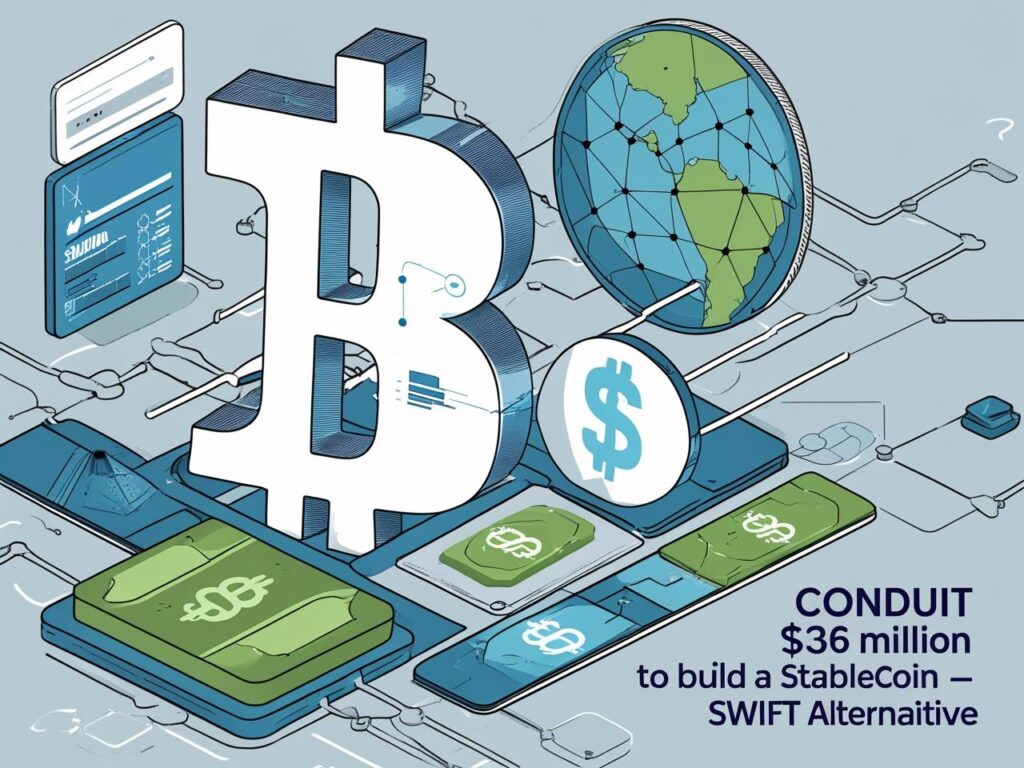
Conduit Secures $36 Million to Build a Stablecoin-Based SWIFT Alternative
U.S.-based payments infrastructure startup Conduit announced a $36 million Series A funding round led by Portage, with participation from investors including Paradigm and Founders Fund. The company is focused on building next-gen cross-border payment rails powered by stablecoins.
Unlike traditional systems like SWIFT, Conduit’s infrastructure settles transactions in near real-time and offers greater transparency and lower costs. The platform already supports integrations with Visa and stablecoin issuers such as Circle (USDC).
This funding positions Conduit to scale its operations and take on legacy systems with modern, programmable financial rails that reflect the evolving needs of global commerce—especially for high-frequency, cross-border B2B payments.
UK’s FCA Introduces New Rules for Stablecoins
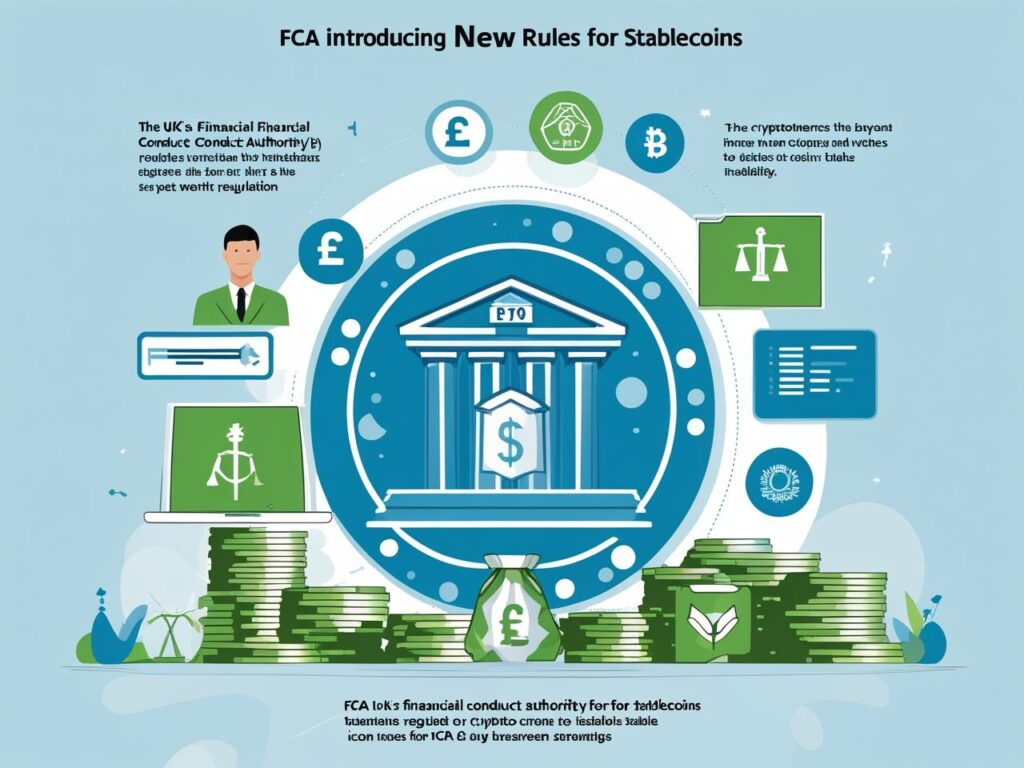
The UK Financial Conduct Authority (FCA) has published a new set of rules to regulate stablecoins, marking a significant milestone in the country’s approach to crypto oversight. Under the proposed framework, fiat-backed stablecoins used for payments will be subject to financial promotions laws and authorization requirements.
The new rules focus on consumer protection, financial stability, and anti-money laundering compliance, bringing stablecoin issuers and wallet providers into the regulated perimeter. Firms offering stablecoin-related services in the UK will need to adjust their compliance strategies accordingly.
The move places the UK among a growing list of jurisdictions aiming to standardize how stable digital assets operate within traditional financial systems.
Final Thoughts
These developments signal a clear trend: crypto payments are becoming more integrated, more regulated, and more scalable. Whether through real-time fiat rails like Pix, infrastructure disruptors like Conduit, or regulatory clarity from bodies like the FCA, the digital payments landscape is entering a new phase of maturity.
For businesses looking to expand globally or streamline payment operations, understanding and adapting to these shifts will be critical. At Buvei, we’re keeping a close eye on how these changes open up new possibilities—and new responsibilities—for modern payment providers.
,或人在国外用虚拟卡支付__图文文案:Ai风格__Pay-anywhere-anytime-400x225.jpg)