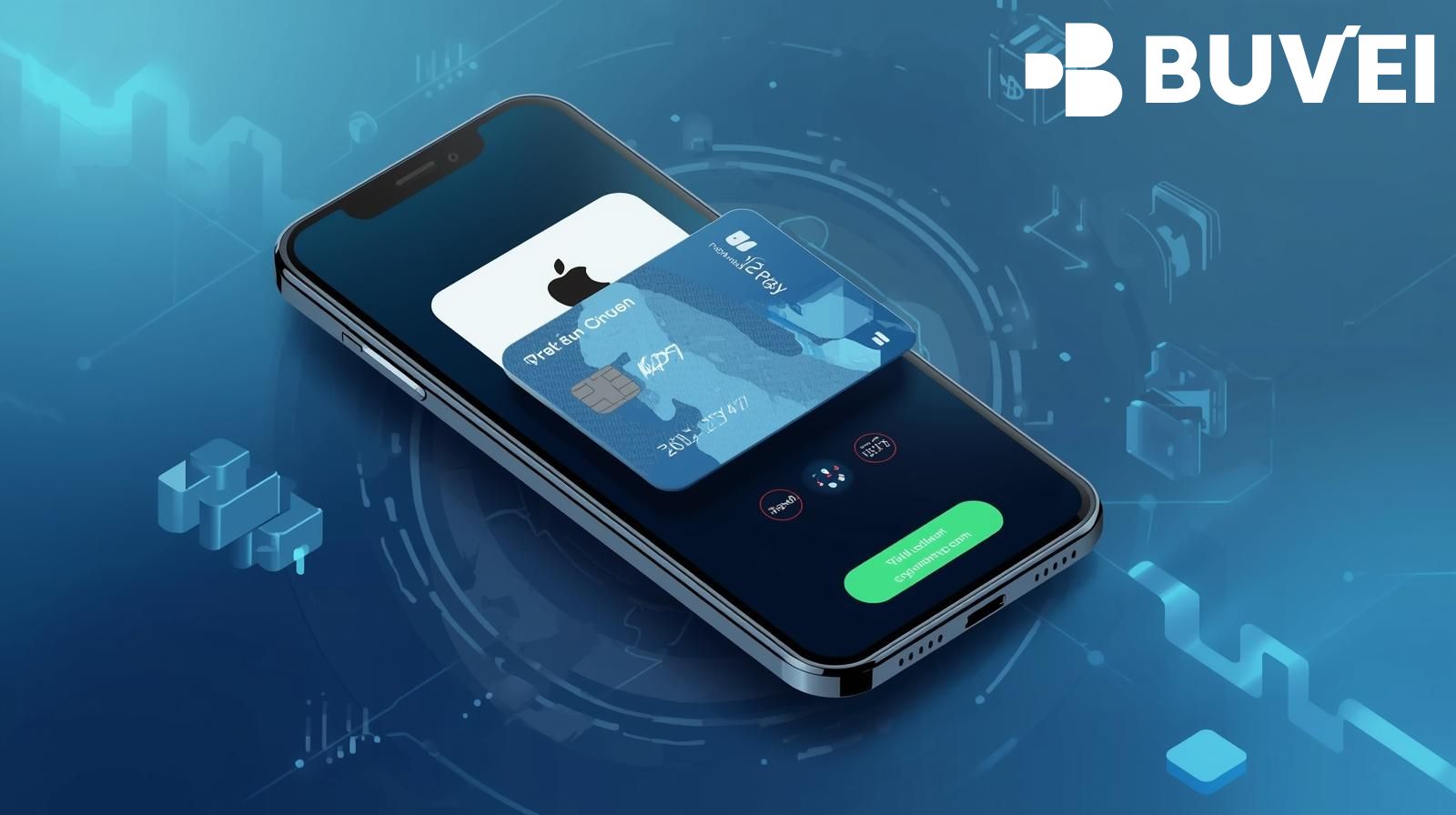
As cryptocurrency adoption continues to grow, more users are exploring ways to buy crypto with Apple Pay. While Apple Pay itself doesn’t directly support cryptocurrency wallets, virtual cards have become the key bridge that makes Apple Pay crypto payments possible.
In this guide, we explain how Apple Pay interacts with crypto platforms, the role virtual cards play, and how to use them safely and effectively.
How Apple Pay Handles Payments Related to Cryptocurrency
Apple Pay does not process cryptocurrency transactions directly. Instead, it functions as a payment interface for card-based purchases made on supported platforms.
In practice, this means:
-
Apple Pay can be used to pay crypto exchanges, brokers, or on-ramp services
-
The actual transaction is processed via a linked card
-
Apple Pay follows strict compliance and regional rules
As a result, whether a crypto purchase succeeds often depends on the type of card used behind Apple Pay.
The Role of Virtual Cards in Apple Pay Crypto Transactions
Virtual cards act as a secure intermediary between Apple Pay and crypto platforms.
When a virtual card is added to Apple Pay:
-
Your real bank card is never exposed
-
Each crypto platform can be assigned a separate card
-
Risk is isolated if a merchant or platform is compromised
This setup is especially useful for crypto-related payments, which are often flagged by banks due to higher perceived risk.
Where Apple Pay and Virtual Cards Are Accepted for Crypto
Apple Pay paired with virtual cards is commonly accepted by:
-
Centralized crypto exchanges
-
Crypto on-ramp services
-
Web3 platforms offering card-based purchases
-
NFT marketplaces with fiat checkout
Acceptance varies by region, card BIN, and platform policies. Virtual cards with U.S. or global BINs generally offer the highest success rates.
Common Restrictions and Risks When Using Apple Pay for Crypto
Despite its convenience, Apple Pay crypto payments come with limitations:
-
Some banks block crypto-related transactions
-
Certain regions restrict Apple Pay for financial services
-
Card declines due to compliance checks
-
Sudden card freezes on high-risk merchants
Using low-quality or shared cards increases the likelihood of failed transactions.

Best Practices for Using Virtual Cards with Crypto Platforms
To improve payment success and security:
-
Use dedicated virtual cards for crypto only
-
Avoid reusing the same card across multiple exchanges
-
Keep sufficient balance for fees and price fluctuations
-
Monitor transactions in real time
-
Choose providers that support international crypto merchants
These steps help reduce account flags and unexpected payment interruptions.
Final Thoughts
While Apple Pay doesn’t directly support cryptocurrency wallets, virtual cards make Apple Pay crypto payments practical and secure. They offer better control, reduced fraud exposure, and higher acceptance across crypto platforms.
With Buvei virtual cards, users can confidently connect Apple Pay to crypto exchanges and on-ramp services—without exposing real bank details or risking account-wide disruptions.