Online payments are faster than ever.
You can subscribe to a service, buy software, order products, or activate a free trial in seconds.
But convenience comes with a tradeoff:
- recurring billing risks
- subscription traps
- payment fraud
- stolen card details
- unwanted renewals
We tested multiple online payment methods, including:
- traditional debit cards
- credit cards
- prepaid cards
- fintech wallets
- temporary virtual cards
The difference became obvious pretty quickly.
For users who want tighter control over online spending, one-time use virtual cards are one of the safest payment tools available today.
Especially for:
- subscriptions
- free trials
- SaaS tools
- online shopping
- digital services
where recurring billing is common.
What Is a One-Time Use Virtual Card?
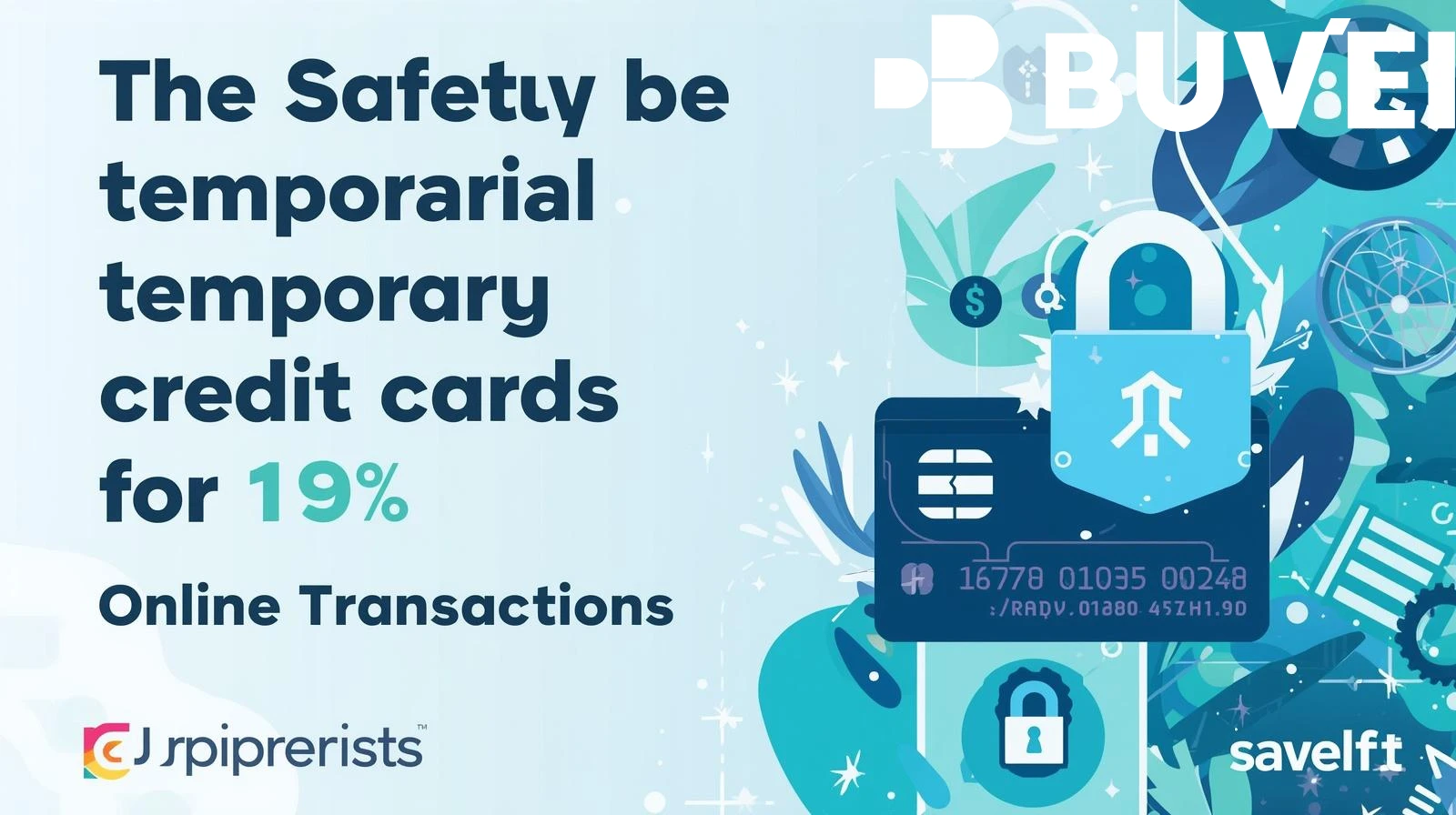
A one-time use virtual card is a temporary payment card designed for limited or single-use transactions.
Unlike a traditional bank card, these cards can:
- expire automatically
- lock after one purchase
- have strict spending limits
- isolate specific transactions
The idea is simple:
Even if the card details become exposed, they are no longer usable afterward.
Virtual cards work like normal payment cards
Most temporary virtual cards include:
- card number
- expiration date
- CVV security code
and function like regular Visa or Mastercard payment cards.
The main difference is control.
Users can:
- create cards instantly
- pause cards
- delete cards
- set transaction limits
- restrict merchants
without affecting their primary bank account.
Some cards are fully disposable
Depending on the provider, single-use cards may:
- deactivate after one transaction
- expire after a short period
- become invalid after billing completion
This significantly reduces online payment exposure.
How Single-Use Cards Protect Online Transactions
This is where temporary virtual cards become especially useful.
Traditional payment cards expose the same card information repeatedly across multiple merchants.
That creates long-term risk.
Reduced fraud exposure
If a merchant database is compromised, your primary banking card may remain vulnerable for years.
Single-use virtual cards minimize this risk because:
- the card expires quickly
- the number becomes unusable
- recurring access is blocked
Even if payment details leak, attackers often cannot reuse them.
Better subscription control
Many subscription services rely on automatic rebilling.
Users sometimes:
- forget trial cancellations
- overlook renewals
- lose track of subscriptions
Temporary cards solve this problem naturally.
Once the card expires or is disabled:
- recurring billing stops
- future charges fail automatically
- spending stays controlled
Isolation between services
Advanced users often separate payments across multiple cards.
For example:
- one card for streaming services
- another for SaaS tools
- another for ad accounts
- another for shopping sites
This limits financial exposure if one platform experiences problems.
When to Use Temporary or Single-Use Cards
Not every payment requires a disposable card.
But certain online situations are much safer with isolated payment methods.
Free Trials
This is probably the most common use case.
Many free trials automatically convert into paid subscriptions unless canceled manually.
Users often forget:
- cancellation deadlines
- trial expiration dates
- recurring billing activation
A one-time virtual card reduces the risk of unwanted renewals.
SaaS Subscriptions
Modern users subscribe to dozens of online services:
- AI tools
- cloud platforms
- productivity apps
- design software
- automation tools
Managing recurring billing manually becomes difficult quickly.
Temporary virtual cards simplify subscription management.
Online Shopping
Some users hesitate to use their primary banking card on:
- unfamiliar websites
- international merchants
- low-trust marketplaces
Single-use cards provide an extra security layer during online purchases.
Advertising Accounts
Digital advertising platforms often require saved payment methods.
Advertisers running:
- Google Ads
- TikTok Ads
- Meta Ads
- AI advertising tools
frequently isolate billing with dedicated virtual cards.
Common Scenarios: Subscriptions, Trials, and Online Shopping
During testing, several patterns appeared consistently.
Users mainly relied on temporary virtual cards for three reasons:
- security
- billing control
- payment organization
Subscription overload is increasing
The subscription economy keeps expanding.
Users now pay monthly for:
- streaming services
- AI platforms
- cloud storage
- SaaS products
- gaming subscriptions
Many people underestimate how many recurring payments they actually have.
Online fraud remains common
Even trusted merchants occasionally experience:
- payment leaks
- database breaches
- compromised checkout systems
Disposable cards reduce long-term exposure.
International payments are growing
Cross-border digital services continue expanding rapidly.
Temporary cards help users:
- separate foreign transactions
- manage international billing
- reduce risks from unfamiliar merchants
especially for global online services.
Benefits of One-Time Use Virtual Cards
Compared to traditional payment cards, disposable virtual cards offer several advantages.
Better spending limits
Users can:
- preload exact balances
- limit transaction amounts
- prevent overspending
This creates tighter payment control.
Faster card replacement
If a billing issue happens:
- freeze the card
- replace it instantly
- generate a new one
without affecting your main account.
Improved privacy
Temporary cards reduce direct exposure of:
- bank accounts
- primary debit cards
- financial identities
across online merchants.
Easier payment organization
Some users generate separate cards for:
- teams
- projects
- subscriptions
- business tools
making expense tracking much cleaner.
Using Buvei Virtual Cards for Controlled Payments
Buvei is increasingly used for:
- temporary online payments
- subscription management
- SaaS billing
- international transactions
because it supports flexible virtual card creation.
Instant virtual card issuing
Users can generate cards quickly for:
- single purchases
- temporary subscriptions
- isolated transactions
without waiting for physical delivery.
Multi-card management
Instead of relying on one card for everything, users can organize payments across:
- different merchants
- separate projects
- subscription categories
This improves financial control significantly.
Useful for recurring services
Buvei virtual cards are commonly used for:
- AI subscriptions
- software billing
- cloud platforms
- ad payments
- online shopping
especially when users want tighter recurring payment management.
Tips for Safer Online Payments
Even with virtual cards, payment security still matters.
Here are the practices that worked best during testing.
Avoid saving primary banking cards everywhere
The fewer platforms holding your main payment information, the lower your long-term risk.
Use separate cards for high-risk merchants
For:
- unfamiliar websites
- international platforms
- temporary subscriptions
isolated virtual cards add protection.
Monitor subscription renewals regularly
Users often forget older recurring charges remain active.
Review billing activity monthly.
Keep backup payment methods available
Some merchants reject certain virtual cards unexpectedly.
Backup cards reduce interruptions during important payments.
Conclusion
As online subscriptions and digital payments continue growing, security and billing control have become more important than ever.
That’s why more users now rely on one-time use virtual cards for:
- safer online shopping
- subscription management
- fraud prevention
- temporary payments
- recurring billing control
Compared to traditional bank cards, disposable virtual cards offer:
- stronger payment isolation
- reduced fraud exposure
- easier subscription management
- better spending control
For users managing SaaS tools, AI subscriptions, online shopping, and recurring payments, platforms like Buvei provide a more flexible and secure way to handle digital transactions.