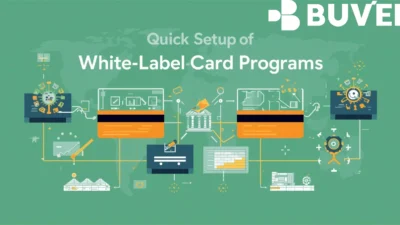
As SaaS platforms evolve, many are moving beyond core software features to include embedded financial services. White-label virtual cards allow SaaS companies to offer branded payment solutions directly within their products.
By leveraging networks like Visa and Mastercard, SaaS platforms can provide globally accepted payment functionality without becoming banks themselves.
How White-Label Card APIs Work in SaaS Products
White-label virtual card APIs enable SaaS platforms to integrate card issuing into their own user experience while keeping branding consistent.
A typical setup includes:
API Integration
Developers integrate the card issuing API into the SaaS backend.
Card Issuance Under Your Brand
Cards are issued with your platform’s branding, even though they are powered by an underlying provider.
User Wallet Interface
End users can view balances, transactions, and card details within your app.
Transaction Processing
Payments are processed via networks like Visa or Mastercard.
Lifecycle Management
Cards can be created, updated, frozen, or deleted programmatically.
This allows SaaS platforms to deliver a seamless, fully integrated financial experience.

Key Features for SaaS Integration and Billing
When implementing white-label virtual card APIs, SaaS platforms should focus on features that support both user experience and backend operations.
Custom Branding
Full white-label capability to match your product identity.
Instant Card Issuance
Generate cards in real time based on user actions.
Recurring Billing Support
Ensure compatibility with subscription-based services.
Spending Controls
Set limits per user, team, or transaction.
Multi-Currency Support
Handle global users and cross-border payments.
Webhook and Event Notifications
Track transactions and updates in real time.
Compliance and Security
Built-in KYC, AML, and PCI DSS support.
These features ensure smooth integration and reliable payment performance.
Use Cases: Subscriptions, Expense Control, Payments
White-label virtual cards unlock multiple use cases for SaaS platforms.
Subscription Management
Assign cards for managing recurring SaaS tools and services.
Expense Control
Provide teams with controlled spending for business expenses.
Advertising Payments
Enable users to fund campaigns on platforms like Google Ads or Facebook Ads.
Vendor Payments
Allow secure payments to external service providers.
Embedded Finance Products
Offer virtual cards as part of your SaaS product’s value proposition.
These use cases help SaaS platforms expand functionality and increase user engagement.
 How Buvei Supports SaaS White-Label Card APIs
Buvei provides a flexible infrastructure for SaaS platforms looking to launch white-label virtual card solutions.
Key advantages include:
White-Label Ready APIs
Easily integrate and brand card issuing within your platform.
Multi-Network Support
Access to Visa and Mastercard.
Multi-Region BIN Availability
Improve global payment acceptance rates.
Instant Card Issuance
Create cards in real time for various use cases.
Scalable Infrastructure
Support growth from early-stage SaaS to enterprise-level platforms.
These features make Buvei a strong partner for SaaS companies building embedded finance capabilities.
Final Thoughts
White-label virtual card APIs are transforming SaaS platforms by enabling them to embed financial services directly into their products. This not only improves user experience but also creates new monetization opportunities.
By integrating with networks like Visa and Mastercard, SaaS platforms can offer globally accepted and scalable payment solutions.
With providers like Buvei, businesses can launch branded card programs faster, streamline billing, and enhance their product ecosystem in 2026.