

In today’s borderless economy, freelancers, digital businesses, and global entrepreneurs face one persistent challenge — international payments. Traditional bank accounts often come with high fees, lengthy verification processes, and strict geographic limitations.
Enter the virtual prepaid card with IBAN — a modern, digital financial solution combining the flexibility of a prepaid card with the global accessibility of an international bank account number (IBAN). This hybrid tool allows users to send, receive, and manage funds globally without needing a physical bank account.
This article explores what a virtual prepaid card with IBAN is, why it matters, its main benefits, best practices for using it safely, and strategies to enhance credibility and SEO when promoting this topic.
What Is a Virtual Prepaid Card with IBAN?
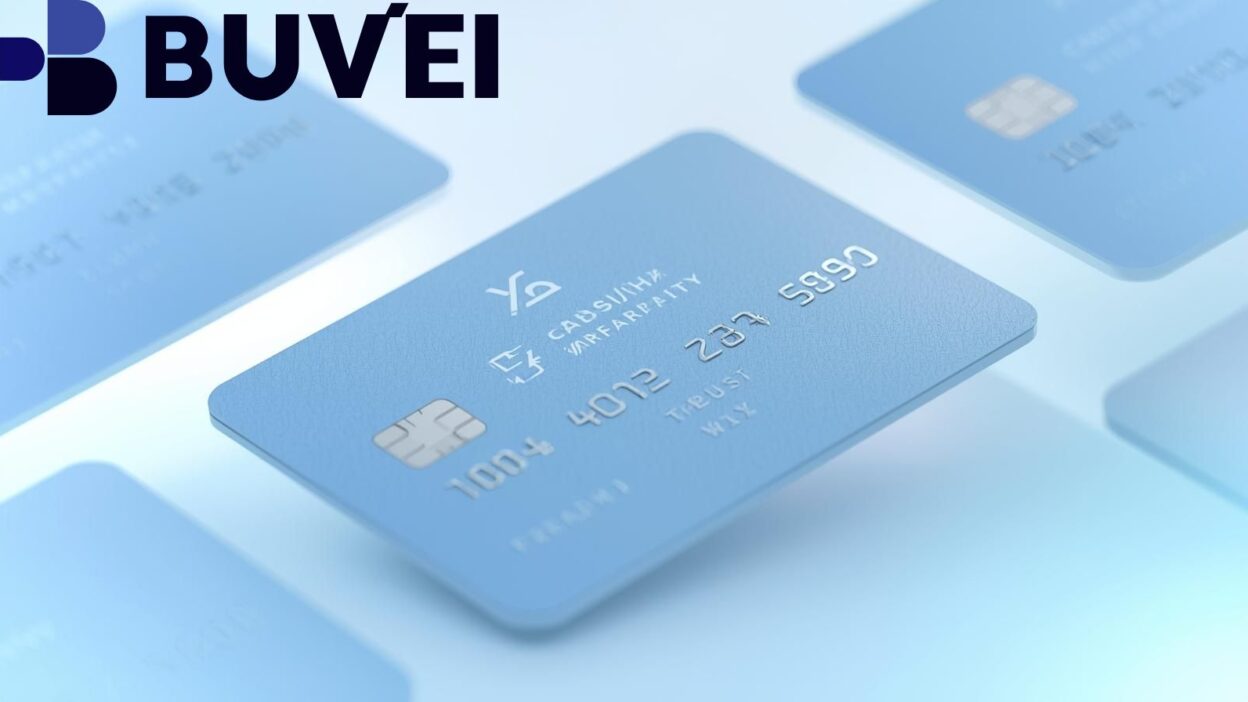
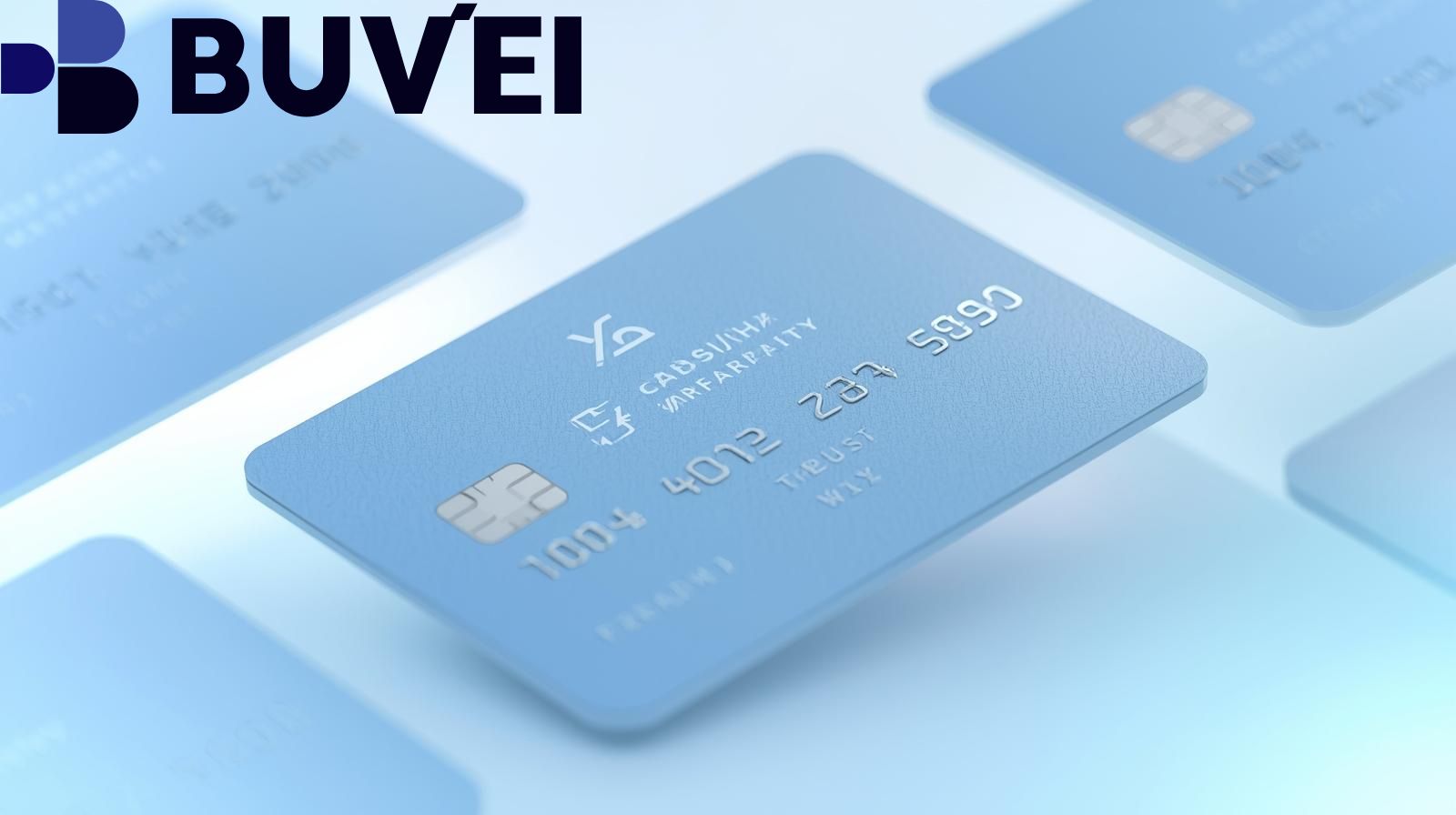
A virtual prepaid card is a fully digital card that functions like a traditional debit or credit card — but without a physical counterpart. It contains card details such as the card number, CVV, and expiry date, enabling online payments, subscriptions, and e-commerce purchases.
An IBAN (International Bank Account Number) is a globally recognized format for identifying bank accounts used in international transfers.
When combined, a virtual prepaid card with IBAN allows users to:
-
Receive payments directly into their card account from other banks.
-
Make online purchases or pay vendors using the prepaid balance.
-
Send money across borders with ease.
Some financial institutions issue vIBANs (virtual IBANs) — unique sub-accounts linked to a master account. Each vIBAN helps separate client or project funds while simplifying reconciliation and reporting. This makes it ideal for freelancers, platforms, and global businesses managing multiple payment streams.
In essence, a virtual prepaid card with IBAN merges the convenience of a card with the structure of a bank account — without the complexity of traditional banking.
Key Benefits and Use Cases
Benefits
-
Simplified Financial Management & Automated Reconciliation
Each client or project can have its own vIBAN, making income tracking and reconciliation effortless. This is particularly useful for digital agencies, SaaS platforms, or marketplaces that handle multiple revenue sources. -
Reduced Cross-Border Fees
Many virtual IBAN services bypass traditional correspondent banks, cutting down on SWIFT fees and currency conversion charges — often saving users 10–20% in transaction costs. -
Enhanced Security & Privacy
As these are digital-only cards, there’s no physical theft risk. You can instantly freeze or delete a card if compromised. Additionally, vIBANs isolate funds by account, ensuring one compromised sub-account doesn’t endanger the rest. -
Faster Issuance & Global Access
Unlike traditional banks that may take weeks to open an account, virtual prepaid cards with IBANs can often be issued within minutes. They support multiple currencies and are accepted by most online merchants. -
Scalability & Business Flexibility
Businesses can easily issue multiple virtual cards or vIBANs for teams, departments, or projects, providing better financial control and visibility.
Common Use Cases
-
Freelancers & Digital Nomads: Receive payments from clients abroad without needing a local bank.
-
E-commerce Sellers: Manage payments across different marketplaces and currencies efficiently.
-
Subscription Platforms / SaaS Providers: Assign unique vIBANs to each client for easy tracking.
-
Marketing & Ad Agencies: Control ad spend with dedicated prepaid cards per campaign.
-
Startups & SMEs: Use as a lightweight banking alternative to manage global payments securely.
Implementation Essentials & Risk Management
To fully benefit from a virtual prepaid card with IBAN, it’s vital to consider compliance, technology, and financial safety.
a) Choose a Licensed and Trusted Provider
-
Verify that the provider holds proper e-money or payment service licenses.
-
Check for transparent AML (Anti-Money Laundering) and KYC (Know Your Customer) policies.
-
Evaluate their reputation, security track record, and financial partners.
b) Ensure Fund Segregation and Protection
Funds under each vIBAN should be legally separated from the provider’s operational funds. Ideally, they should be safeguarded under third-party escrow or regulated trust accounts.
c) Technical Integration
-
Prefer providers with API access and real-time dashboard monitoring.
-
Ensure support for multi-currency transactions, automatic reconciliation, and instant notifications.
d) Fraud Prevention & Usage Limits
-
Set transaction caps and define merchant categories for each virtual card.
-
Enable real-time fraud monitoring and instant freeze functions.
-
Regularly audit unusual activity to stay compliant.
e) Local Compliance & Tax Considerations
Different countries regulate vIBAN and prepaid card usage differently. For example, in the EU, such services must comply with PSD2 regulations, while the UK requires FCA authorization. Always ensure compliance with local tax and reporting rules.
f) Transparent Fee Structure
Ask for a clear breakdown of all costs — card issuance, top-up, transfer, exchange, and inactivity fees — to avoid unexpected expenses.

Building Credibility & SEO Optimization
When writing or promoting topics like virtual prepaid cards with IBAN, credibility and SEO effectiveness go hand in hand.
Build Trust with Authoritative Evidence
-
Reference industry white papers, financial regulations, or fintech case studies.
-
Include verified data on transaction volumes, fee savings, or user growth.
-
Emphasize regulatory compliance, licensing, and security protocols to strengthen trust.
Maintain Professional and Clear Structure
-
Use numbered lists, headings, and concise bullet points for readability.
-
Start each section with key takeaways to guide scanning readers.
SEO Keyword Strategy
-
Naturally integrate core keywords such as “virtual prepaid card,” “IBAN,” “cross-border payments,” and “digital banking.”
-
Use variations like vIBAN, virtual bank account, and prepaid card with IBAN for semantic coverage.
-
Avoid keyword stuffing — prioritize readability.
Keep Content Updated and Relevant
Fintech evolves quickly. Update data, regulations, and provider examples regularly to maintain search relevance and reader trust.
Visuals and Content Enhancement
Add infographics or comparison tables (e.g., “Traditional Bank vs. Virtual IBAN”) to make complex concepts easier to grasp and visually engaging.
Conclusion
A virtual prepaid card with IBAN is transforming how individuals and businesses manage money globally. By merging the utility of prepaid cards with the global interoperability of IBANs, users can enjoy faster, cheaper, and more secure international transactions — all through a fully digital platform.
However, success depends on choosing a regulated provider, ensuring fund safety, and maintaining compliance across jurisdictions.
For businesses, freelancers, and global entrepreneurs seeking flexibility and control, virtual prepaid cards with IBAN represent the next evolution in digital finance — bridging the gap between traditional banking and the borderless digital economy.