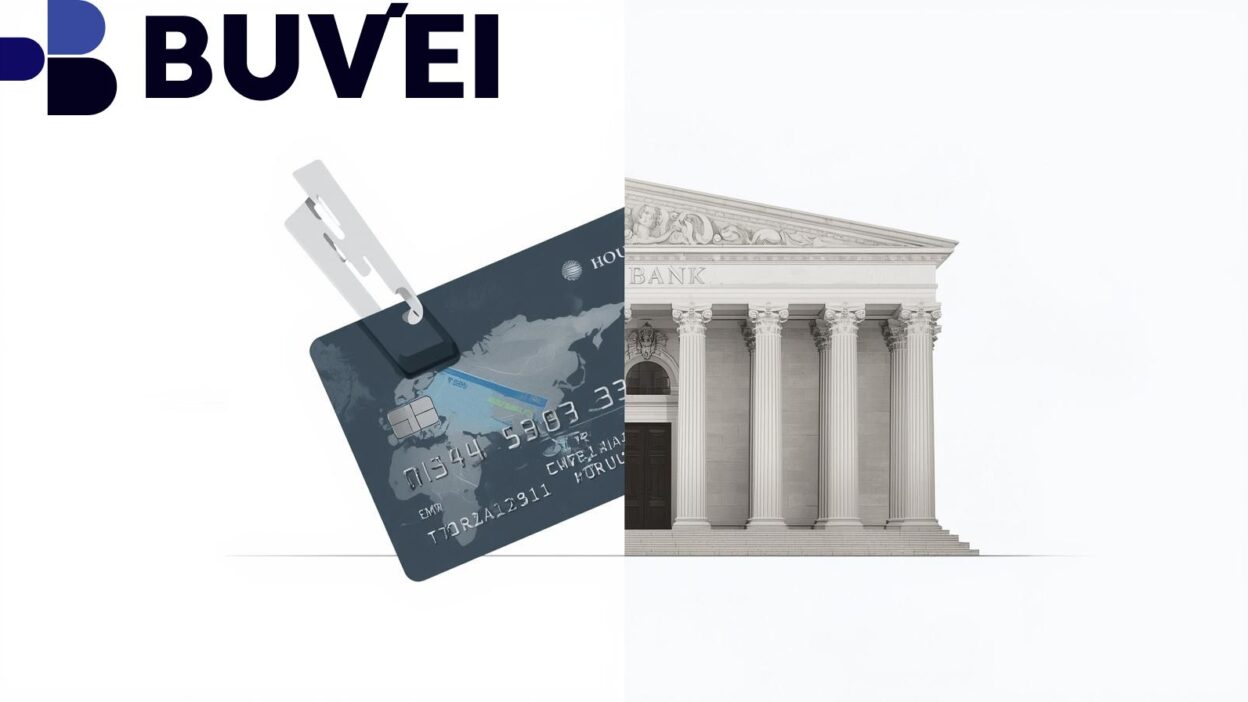
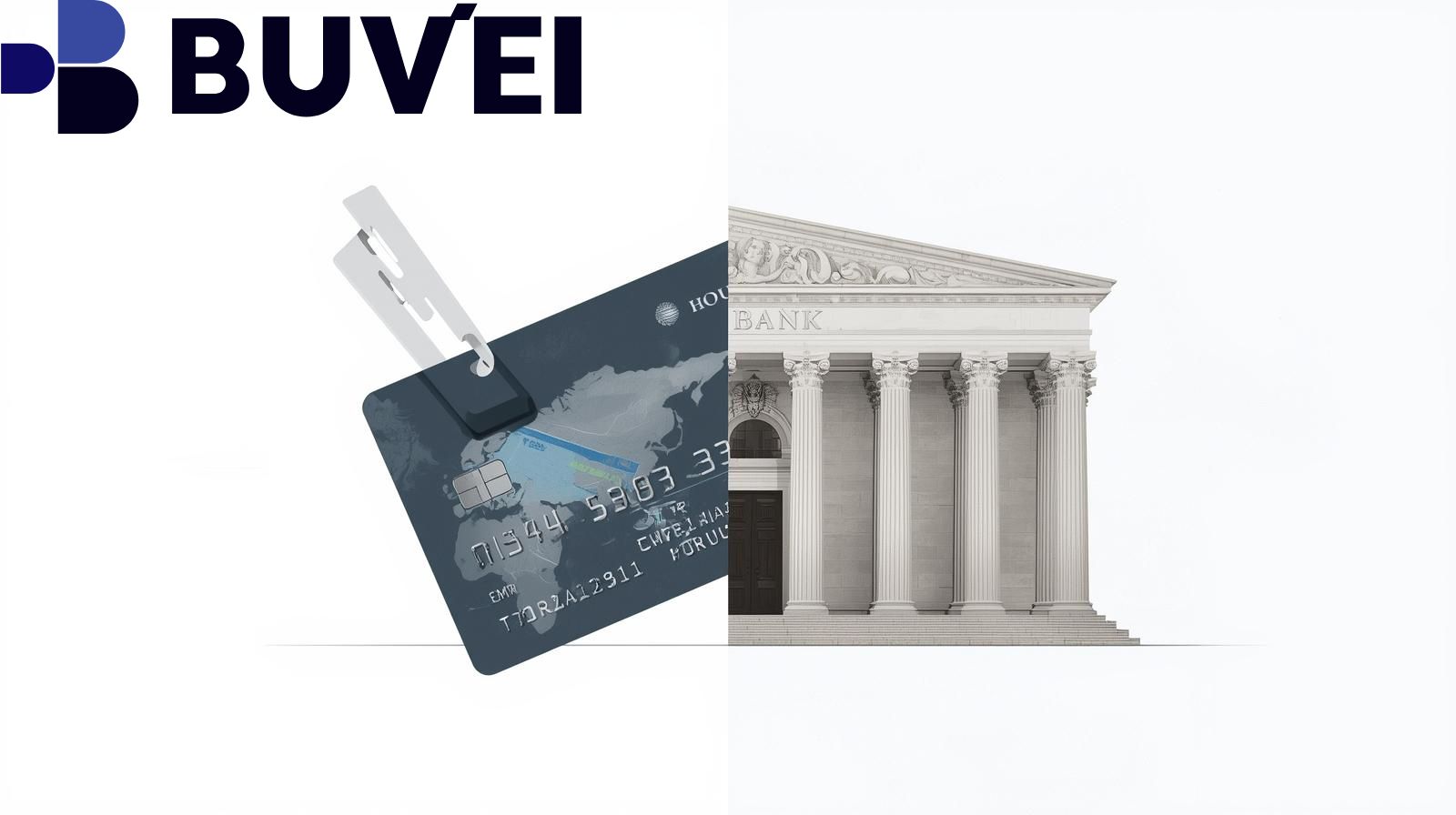
In today's fast-evolving financial landscape, businesses are exploring more efficient ways to manage employee payments. Traditionally, companies have relied on bank payroll accounts to deposit salaries directly into employees’ bank accounts. However, virtual payroll cards are emerging as a convenient and flexible alternative. Understanding the differences between these two methods can help businesses optimize payroll efficiency, reduce costs, and improve employee satisfaction.
Accessibility and Convenience
Virtual payroll cards offer unmatched convenience, especially for employees who may not have a traditional bank account. Workers receive their wages directly on a digital card that can be used online, in stores, or to withdraw cash at ATMs. This makes payroll more inclusive for unbanked or underbanked employees.
In contrast, traditional bank payroll requires employees to maintain a bank account. While it provides familiarity and access to a broader range of banking services, it can be restrictive for those without easy access to local banks.
Key point: Virtual payroll cards enhance accessibility and speed for employees, while traditional bank payroll offers broader financial services but may exclude certain workers.
Fees and Cost Efficiency
Virtual payroll cards often have lower associated costs for both employers and employees. Employers can save on check printing, mailing, and processing fees. Employees also benefit from reduced or no minimum balance requirements and lower overdraft fees compared to traditional bank accounts.
Traditional bank payroll may involve monthly account maintenance fees, minimum balance requirements, and overdraft charges. Additionally, businesses may incur processing fees when handling large-scale payrolls.
Key point: Virtual payroll cards reduce administrative and banking costs, offering a more cost-efficient solution for payroll distribution.
Security and Fraud Protection
Security is a critical factor when choosing a payroll method. Virtual payroll cards come with advanced security features, such as tokenized card numbers and the ability to temporarily freeze the card if lost or stolen. These measures help minimize fraud risks.
Traditional bank payroll relies on the security protocols of the banking institution. While banks offer strong protection, risks such as check fraud, lost direct deposit information, or account takeover still exist.
Key point: Virtual payroll cards provide strong fraud protection with instant control over the card, whereas traditional bank payroll depends on bank-level security measures.
Payroll Efficiency and Flexibility
Virtual payroll cards streamline the payroll process. Employers can fund cards instantly, avoiding delays often associated with traditional payroll cycles. Cards can also integrate with mobile apps, enabling employees to track balances, set spending limits, and receive instant notifications.
Traditional bank payroll, while reliable, often requires multi-day processing cycles. Direct deposits are scheduled on fixed payroll dates, and any corrections or adjustments can take longer to implement.
Key point: Virtual payroll cards offer faster, more flexible payroll management, while traditional bank payroll follows conventional processing timelines.

Conclusion
Choosing between a virtual payroll card and traditional bank payroll depends on business priorities and employee needs. Virtual payroll cards excel in accessibility, cost-efficiency, security, and flexibility, making them ideal for modern, diverse workforces. Traditional bank payroll remains suitable for employees who prefer full-service banking solutions and established financial relationships. By understanding these differences, businesses can select the most effective payroll solution for their team.