Introduction
In the world of digital finance, the terms "digital card" and "virtual card" are often used interchangeably. While they might seem similar at first glance, digital cards and virtual cards actually have distinct characteristics that make each suitable for different purposes. Understanding the differences between these two types of cards is essential for businesses and individuals looking to optimize their payment methods.
In this article, we’ll explore the key distinctions between digital cards and virtual cards, highlighting their unique features, benefits, and best use cases. We will also take a closer look at Buvei’s virtual card offering, which combines the best features of both card types.
What is a Digital Card?
A digital card refers to an electronic version of a physical payment card, such as a credit or debit card, but it exists solely in digital form. Typically, a digital card is linked to an existing bank account or credit line, and it can be used for online purchases, bill payments, or other types of transactions without needing to carry a physical card.
Key Features of Digital Cards:
-
Linked to Physical Bank Accounts or Credit Lines: Digital cards are often issued by traditional banks or financial institutions and are linked to real-world bank accounts.
-
Used for Online Transactions: These cards can be used for online purchases, subscriptions, and sometimes even for in-person transactions via apps like Apple Pay or Google Wallet.
-
Temporary or Permanent: Some digital cards are temporary (for one-time purchases), while others are permanent and can be used regularly for online payments.
Pros:
-
No Physical Card Required: Ideal for users who want a contactless, app-based payment method.
-
Security Features: Many digital cards come with added security features like one-time-use numbers or the ability to disable the card immediately if lost.
Cons:
-
Limited Use in Physical Stores: Digital cards are not always accepted in physical stores unless they can be added to a digital wallet.
-
Not Always Instant: Depending on the provider, setting up a digital card might involve some processing time.
What is a Virtual Card?
A virtual card, on the other hand, is a completely separate card designed for online use. It works the same as a traditional debit or credit card, but it does not have a physical counterpart. Virtual cards are often used to protect users from fraud and help manage specific payments like subscriptions, advertising fees, or one-off purchases.
Key Features of Virtual Cards:
-
No Physical Card: Virtual cards are entirely digital and cannot be used in physical transactions.
-
One-Time Use or Multiple Use: Virtual cards can be used for single transactions or can be used multiple times for recurring charges.
-
Linked to a Real Payment Account: Just like digital cards, virtual cards are typically linked to a bank account or a payment provider but do not require a physical card to be issued.
Pros:
-
Increased Security: Virtual cards are often issued with a temporary card number that helps protect users from unauthorized transactions.
-
Ideal for Online Purchases: They are specifically designed for secure online transactions and can be used to subscribe to services or make one-time purchases.
-
Customizable Limits: You can set spending limits on virtual cards to better control costs and reduce risks.
Cons:
-
Limited Physical Usage: Virtual cards can only be used for online payments and cannot be used in physical stores without a compatible digital wallet.
-
Expiration Date: Some virtual cards may have expiration dates, which may limit their use for long-term payments.
Key Differences Between Digital Cards and Virtual Cards
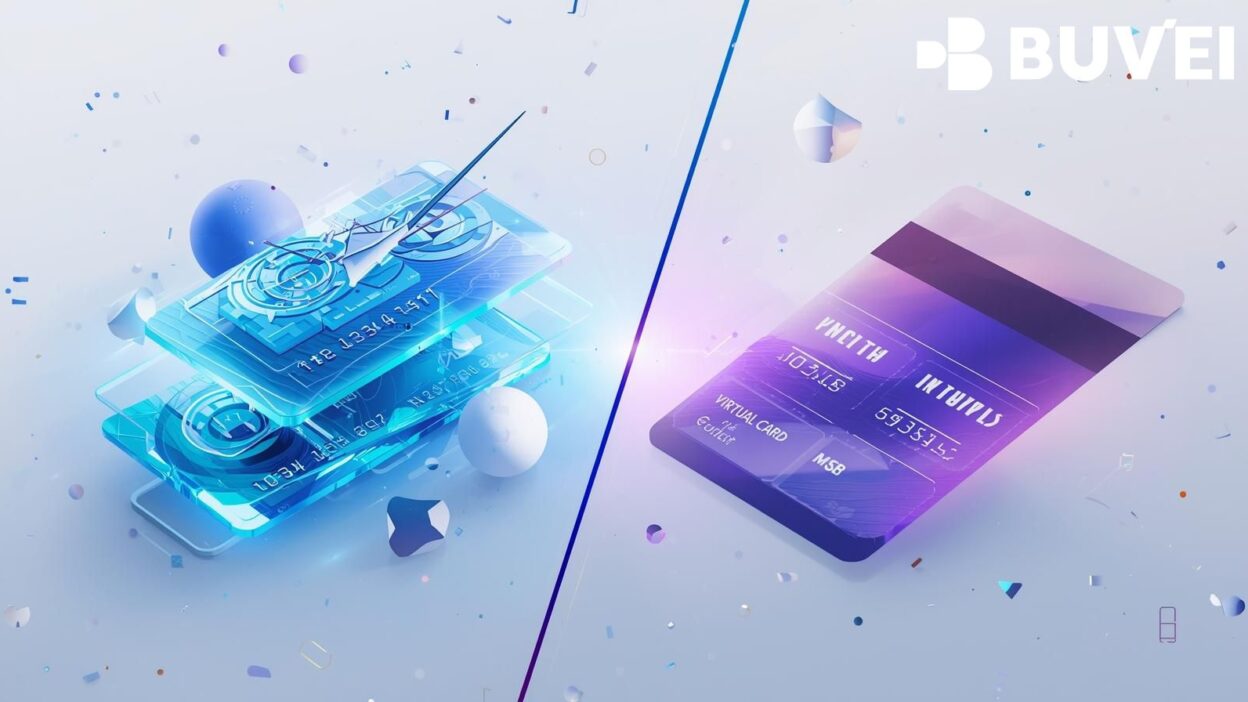
While digital cards and virtual cards share similarities, they serve different purposes and are best suited for different situations. Below is a side-by-side comparison of the two types of cards:
| Feature | Digital Card | Virtual Card |
|---|---|---|
| Physical Card | No physical card needed, but linked to an actual account | Completely digital with no physical counterpart |
| Use Case | Best for general online transactions or in-app payments | Ideal for online purchases, subscriptions, or one-time payments |
| Security | May have security features like temporary numbers, but not always | Often temporary and can be used with set limits for added security |
| Integration | Typically works with digital wallets for in-person payments | Designed for online transactions only, with specific payment limits |
| Instant Issuance | Not always instant, depending on the provider | Instantly issued with fast, easy setup |
Why Choose Buvei’s Virtual Card Solution?
When it comes to choosing a virtual card for your business or personal needs, Buvei’s virtual card solution offers several advantages over traditional digital cards, especially for businesses that need to manage multiple payments or provide virtual cards for remote teams.
Key Advantages of Buvei Virtual Cards:
-
Multiple BIN Support: Buvei supports global BIN regions (Visa/Mastercard), which enhances the card’s compatibility across different platforms such as Google Ads, Meta Ads, and Microsoft Ads.
-
Strong Payment Compatibility: Buvei’s virtual cards can be used for SaaS subscriptions, daily purchases, and travel, offering a flexible payment solution for diverse business needs.
-
USDT Top-up: With USDT (TRC20/ERC20) top-ups, Buvei offers low-cost, fast fund arrivals, making it easy to manage expenses across international borders.
-
Instant Card Issuance: Buvei’s API enables instant virtual card issuance, so businesses can quickly get started without the need for complex KYC processes.
-
Security and Privacy Protection: Buvei’s virtual cards are designed to protect real bank account details while complying with PCI DSS security standards to ensure safe online transactions.
Buvei Virtual Cards provide enhanced control over payments and reduce the risk of fraud, making them the perfect solution for businesses managing multiple accounts or remote teams.
Conclusion
While digital cards and virtual cards serve similar functions, the choice between them depends on your specific needs. Digital cards are more suited for general use, while virtual cards provide enhanced security and flexibility for online transactions.
For businesses that require instant card issuance, strong payment compatibility, and enhanced security features, Buvei’s virtual card solution offers the ideal choice. Whether you are managing advertising budgets, SaaS subscriptions, or team payments, Buvei ensures seamless integration and excellent customer service.