


Introduction
Choosing among virtual cards in Mexico depends on what you need to pay for. Some are designed for everyday online purchases and subscriptions, while others support international payments, alternative funding methods, or business expense management.
The five providers in this guide take different approaches to card issuance, funding, and spending controls. We compare BUVEI, Revolut, Nu, ARQ, and Mercado Pago to help you understand their features, costs, and limitations before choosing one.
What Should You Consider Before Choosing a Virtual Card in Mexico?
Funding Methods and Currency Conversion
Local virtual debit cards usually draw from an MXN account balance. International providers may offer additional currencies, while some specialized platforms support USDT funding.
Check deposit methods, conversion rates, and transfer fees. Free card issuance does not necessarily mean free transactions.
International Payments and Merchant Acceptance
Visa and Mastercard are widely accepted, but individual merchants may restrict prepaid cards, foreign-issued cards, or cards from certain regions.
If you plan to pay for SaaS subscriptions, advertising, or overseas purchases, check whether the card supports those transactions and recurring billing.
Fees and Eligibility
Look beyond the issuance fee. Monthly charges, foreign transaction fees, ATM withdrawals, and funding costs can affect the overall expense.
Also check residency and identity verification requirements. A provider operating internationally does not automatically accept applicants from every country.
Quick Comparison of the Best Virtual Cards in Mexico
| Provider | Card Type and Funding | Key Differentiators | Fees to Consider |
|---|---|---|---|
| BUVEI | Visa and Mastercard; USDT top-ups | Multiple BINs, batch issuance, business tools | From $4 per card; no monthly fee |
| Revolut | Mastercard virtual debit cards; MXN and supported currencies | Reusable and single-use cards, multi-currency payments | Virtual cards are free; FX and transfer fees may apply |
| Nu | Virtual debit and credit cards; MXN balance or credit line | Separate card details and app-based controls | Virtual cards are free; credit-related charges may apply |
| ARQ | Secured virtual Mastercard; digital USD/EUR balances | Balance-backed spending and international payments | Virtual card is free; certain deposits and withdrawals carry fees |
| Mercado Pago | Digital Debit Mastercard; MXN wallet balance | Online purchases and local account payments | Digital card is free; other services may carry fees |
Top 5 Best Virtual Cards in Mexico
1. BUVEI
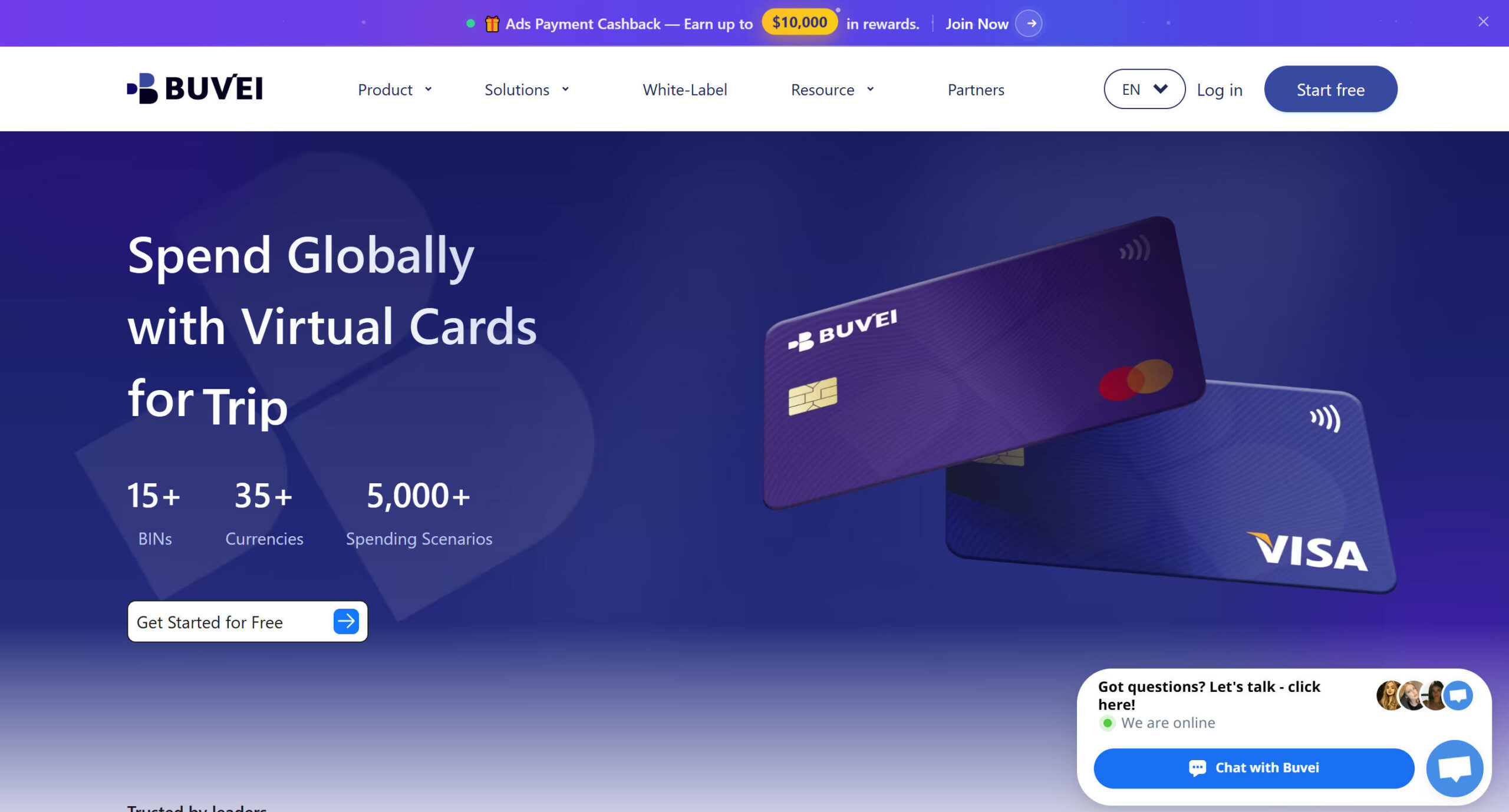
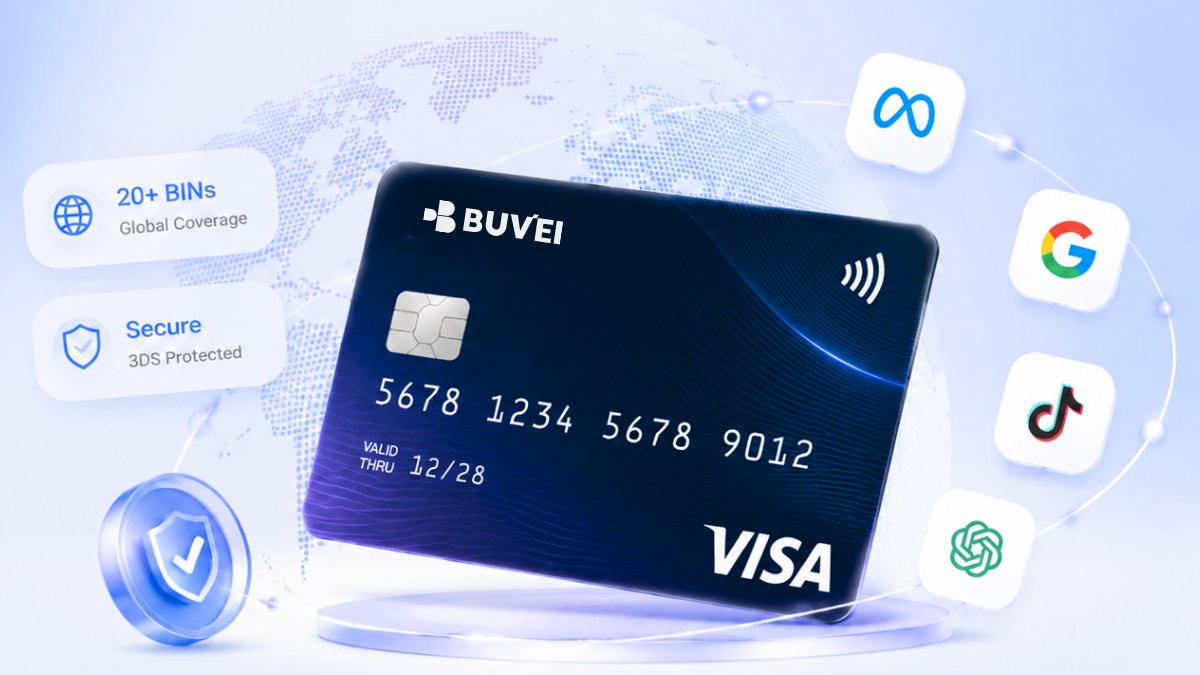
BUVEI offers Visa and Mastercard virtual cards for advertising, SaaS subscriptions, international shopping, and travel payments. Users can choose from multiple BIN options and fund their wallets with USDT through TRC20 or ERC20 networks.
Key Features
- Multiple BIN Options: Select available BINs for different payment requirements.
- Flexible Issuance: Instant card creation, batch issuance, and single-use virtual cards.
- Card Management: Set spending limits, freeze or close cards, and review transaction records.
- Business Tools: Team management, API integration, and white-label virtual card solutions.
- Mobile Wallet Support: Eligible BUVEI cards can be added to Apple Pay and Google Pay for payments at supported merchants.
Beyond card payments, BUVEI also offers PayPal transfers, QR Pay, eSIM purchases, and digital gift cards. Its in-app referral program gives eligible referrers $5 cashback and invited users a $5 card discount coupon after successful card issuance.
BUVEI Fees
Standard virtual card issuance starts at $4 per card, depending on the selected card type. Standard usage has no monthly subscription fee.
For advertising buyers, BUVEI offers an optional Premium Service for Ads Buying with three monthly plans:
| Plan | Monthly Fee | Free Cards/Month | Additional Card Fee | Cashback |
|---|---|---|---|---|
| Small | $78 | 10 | $8/card | 0% |
| Medium | $318 | 50 | $6/card | 0.5% |
| Large | $1,398 | 200 | $4/card | 1% |
Limitations
Physical cards are coming soon and are not currently available. The minimum wallet deposit is $30. Card issuance fees and merchant acceptance depend on the selected card and BIN.
Who Is BUVEI Best For?
Advertising teams, media buyers, SaaS users, and businesses that need multiple virtual cards and more flexible payment management.
2. Revolut
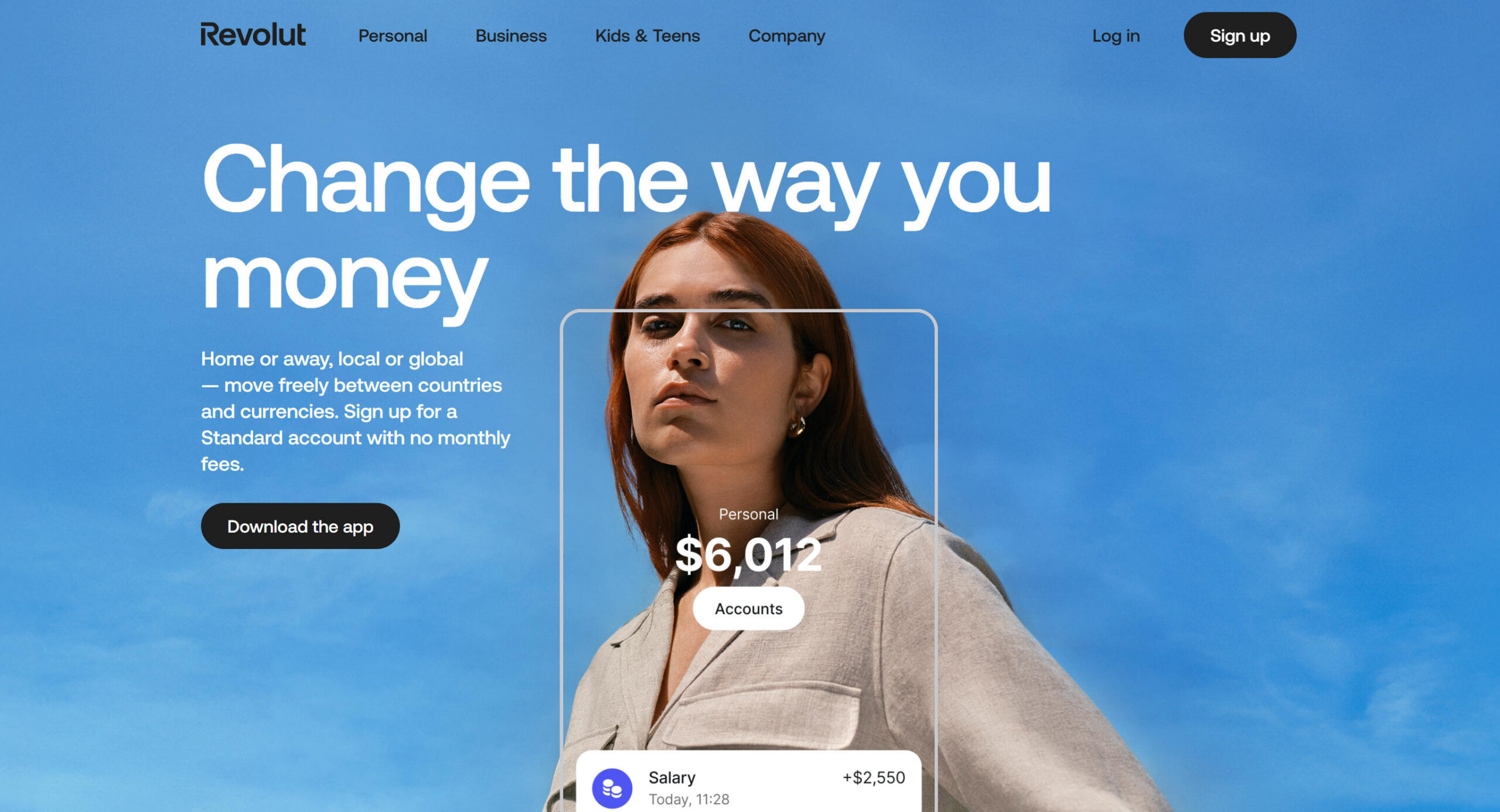
Revolut offers virtual debit cards in Mexico alongside its international financial services. Users can choose between reusable cards for ongoing payments and single-use cards for individual online purchases.
Key Features
- Reusable virtual Mastercard debit cards.
- Single-use virtual cards with automatically updated details.
- Apple Pay and Google Pay support for reusable cards.
- Payments in Mexican pesos and more than 30 supported currencies.
- Card freezing and spending management through the app.
Reusable cards are suitable for subscriptions and recurring payments. Single-use cards provide an additional option for one-time online purchases.
Revolut Fees
Virtual debit cards are free to create. Currency exchange, international transfers, and certain physical card services may involve additional charges depending on the plan and transaction.
Limitations
Applicants must meet Revolut Mexico's residency, age, and identification requirements. Single-use cards cannot be used for recurring subscriptions, hotel deposits, or car rental payments that require additional charges. They also cannot be added to Apple Pay or Google Pay.
Who Is Revolut Best For?
People who travel, shop internationally, or regularly manage payments in different currencies.
3. Nu
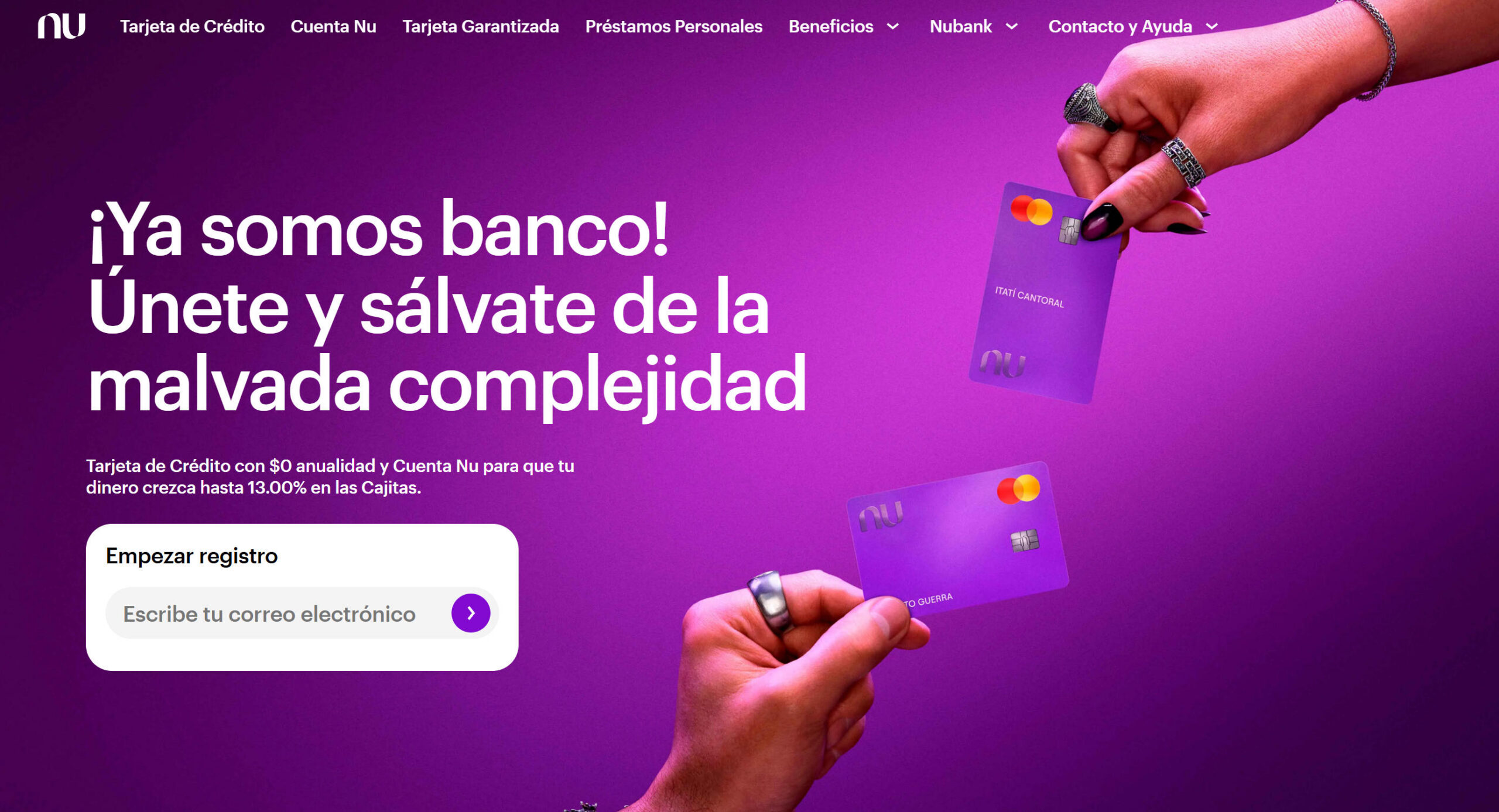
Nu offers virtual debit and credit cards through its Mexican financial services. Both provide separate digital card details, allowing users to make online purchases without exposing the information on their physical cards.
Key Features
- Virtual debit cards linked to Cuenta Nu.
- Virtual credit cards linked to an approved credit line.
- Separate card numbers and security details.
- Online shopping and recurring subscription payments.
- Card blocking and management through the Nu app.
The debit version draws from the available Cuenta Nu balance, while the credit version uses the approved credit limit. Users can manage their virtual cards independently from their physical card details.
Nu Fees
Nu's virtual cards are free to issue. Credit card transactions remain subject to the applicable interest rates, credit terms, and late payment charges.
Limitations
The virtual debit card requires a Cuenta Nu account, while the virtual credit card requires an approved credit product. Both are primarily designed for online payments rather than replacing a physical card for every transaction.
Who Is Nu Best For?
Mexican consumers who want free virtual debit or credit cards for online shopping and recurring payments.
4. ARQ (Formerly DolarApp)

ARQ, formerly known as DolarApp, provides digital dollar and euro balances alongside an international Mastercard. Its card is a secured credit card backed by the balance in the user's ARQ account.
The available digital dollar balance determines the card's spending limit, and purchases are deducted directly from those funds. This structure avoids accumulating conventional credit card debt on the standard balance-backed card.
Key Features
- Digital USD and EUR balances.
- Free virtual Mastercard.
- International online and in-store payments.
- Balance-backed credit card structure.
- Card freezing and transaction management.
- Apple Pay and Google Pay support.
ARQ Fees
For customers in Mexico on the Standard plan:
- Account opening: Free.
- Local currency deposits and transfers: Free.
- Virtual card issuance: Free.
- Most domestic and international card purchases: Free.
- Physical card shipping: $4.99.
- ATM withdrawals: 1% of the withdrawal amount.
- International purchases charged in Argentine pesos: 5%.
Certain USD, EUR, and cryptocurrency deposits also carry fixed fees of 3 USDc or 3 EURc, depending on the funding source. These are digital asset units rather than ordinary fiat cents.
Limitations
The card's spending limit depends on the available digital dollar balance. Digital dollars and euros are virtual assets, not legal tender in Mexico, and carry their own risks. Some funding and transfer methods also involve additional charges.
Who Is ARQ Best For?
People who manage cross-border funds, hold digital dollars or euros, and want a card for international spending.
5. Mercado Pago
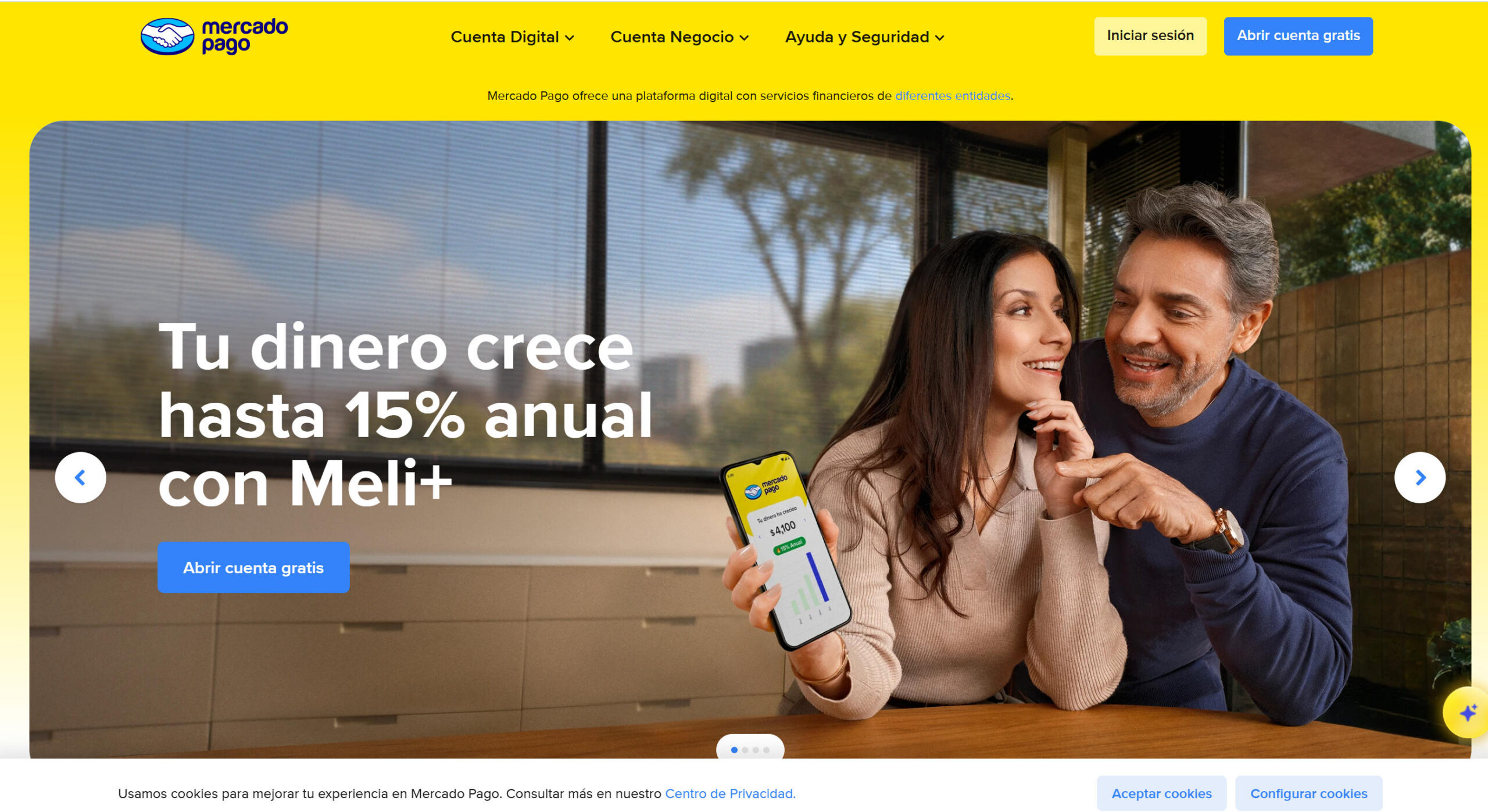
Mercado Pago is a widely used digital financial platform in Latin America. In Mexico, its account includes a digital Debit Mastercard for online purchases, linked directly to the available balance in the Mercado Pago Wallet.
Key Features
- Digital Debit Mastercard available through the app.
- Online purchases funded by the available MXN balance.
- Transaction history and payment notifications.
- Card settings and payment controls.
- Physical debit card for in-store purchases and cash withdrawals.
The digital card is intended for online payments, while the physical version can be used at stores and ATMs that accept Mastercard.
Mercado Pago Fees
The digital Debit Mastercard is free to request and use. There is no separate issuance charge for the digital card or account maintenance fee.
Other services, including certain cash withdrawal transactions, may involve separate fees.
Limitations
The digital card is linked to the available account balance rather than a traditional credit line. Purchases cannot exceed available funds, and international merchant acceptance may vary.
Who Is Mercado Pago Best For?
Mexican consumers who want a straightforward digital debit card for local spending and everyday online purchases.
Frequently Asked Questions
Can I Use a Virtual Card for Hotel Reservations or Car Rentals?
Some hotels and rental companies accept virtual cards for online bookings, but may require a physical card for deposits or identity verification. Single-use cards are particularly unsuitable when a merchant needs to make additional charges or pre-authorizations.
Can I Use a Virtual Card at Physical Stores in Mexico?
Yes, as long as the card supports mobile wallet payments. Eligible BUVEI cards and Revolut's reusable virtual cards can be added to Apple Pay or Google Wallet and used at contactless payment terminals. However, Revolut's single-use cards are designed for online purchases and cannot be used for in-store payments. Mercado Pago users can use its physical debit card for in-store purchases.
Why Is My Virtual Card Payment Declined?
A virtual card payment may be declined because of insufficient funds, spending limits, incorrect billing details, or merchant restrictions. Some merchants also reject prepaid cards or cards issued in certain regions. Check your available balance, card status, and payment details first. If the problem persists, contact your card provider to identify the reason for the decline.
Final Thoughts
These five providers serve different payment needs. Revolut focuses on multi-currency spending, Nu offers virtual debit and credit cards for online purchases, ARQ combines international payments with digital dollar balances, and Mercado Pago provides a straightforward option for spending an MXN account balance.
BUVEI takes a more specialized approach to advertising and business payments. Multiple BIN options, USDT funding, batch issuance, and individual card controls make it relevant to users managing several online payment accounts. Its optional Private plans add monthly card allowances and cashback for eligible advertising spend.
Before choosing, compare the fees, eligibility requirements, and payment restrictions. A card that works well for everyday shopping may not be the right fit for international subscriptions or business expenses.
Sources
BUVEI. Virtual Cards for Global Payments
BUVEI. White-Label Virtual Card Solutions
BUVEI. Official FAQ
BUVEI. Private Membership Benefits and Billing Rules
Revolut. Virtual Cards in Mexico
Nu. Cuenta Nu Account Agreement
ARQ. ARQ Card: Is It Debit or Credit?
Mercado Pago. Digital Debit Mastercard