Introduction
For developers and QA teams, testing payment flows in staging environments is a critical step before launching new products or services. Traditional test cards often simulate only basic responses, leaving gaps in validating real-world scenarios such as authorization, declines, refunds, and recurring billing.
This is where virtual cards come in. By using virtual cards for test transactions, teams can run realistic tests that mirror actual user behavior—without exposing real accounts to unnecessary risks. In this tutorial, we’ll walk through how to use virtual cards effectively in staging environments, highlighting four key practices.
Setting Up Virtual Cards Quickly
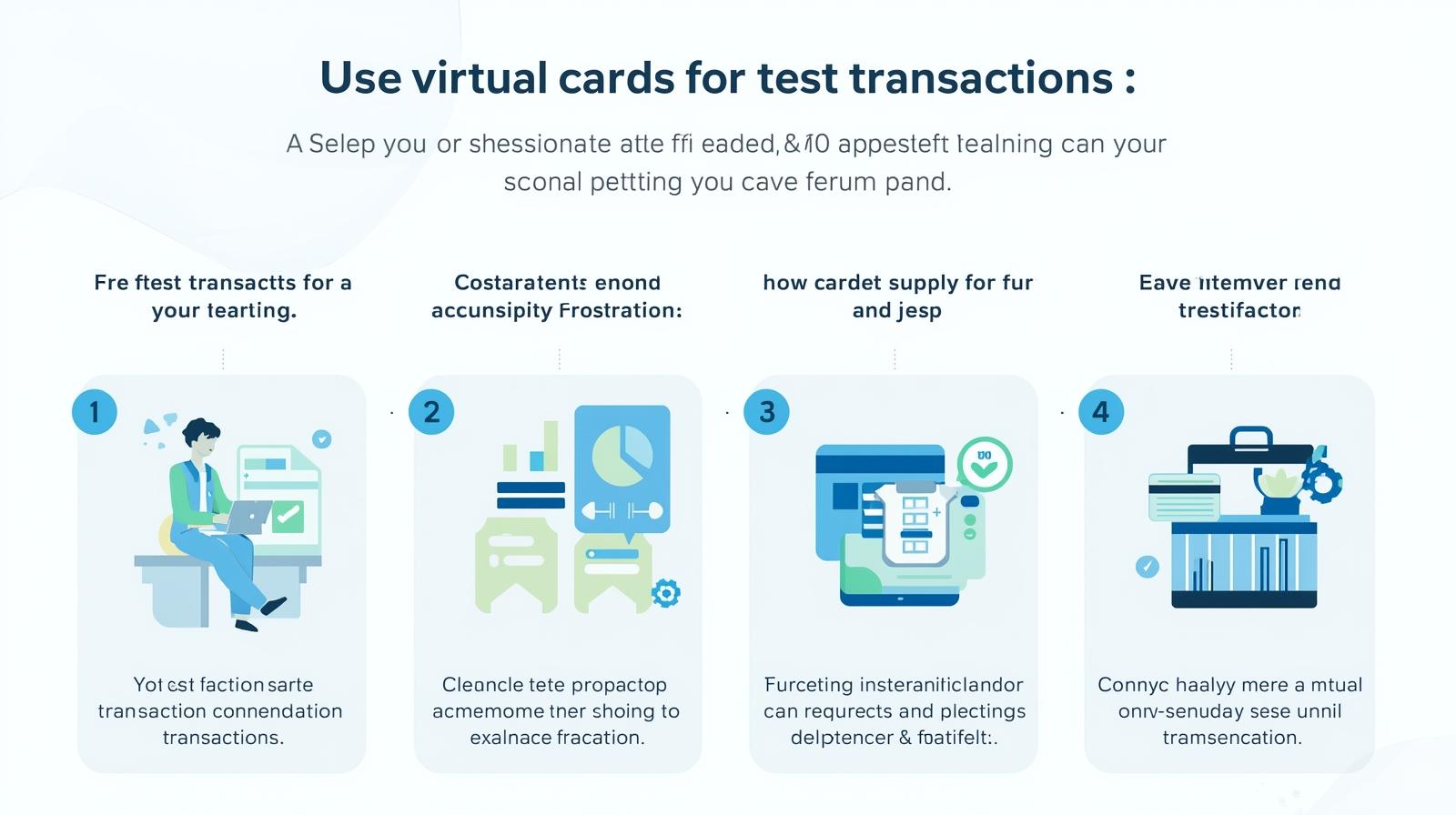
The first step is to generate a card for testing. Unlike physical cards, virtual cards can be issued instantly and customized with spending limits or expiration dates. This makes them ideal for temporary use during test cycles.
-
Developers can configure cards for specific staging environments.
-
Limits can be set to avoid overspending if a test loop runs unexpectedly.
-
Platforms like Buvei offer instant card issuance, so teams can create test cards on demand without complex KYC processes.
Simulating Different Transaction Scenarios
Testing shouldn’t stop at successful payments. Staging requires validation of edge cases:
-
Approvals and declines based on card settings.
-
Recurring payments to test subscription logic.
-
Refunds and reversals for dispute workflows.
With Buvei’s transparent fee structure, teams can clearly see charges in the backend, making it easier to track and analyze results from these simulations.
Ensuring Security During Tests
Even in staging, protecting sensitive information is important. Using virtual cards helps teams avoid exposing real bank account details during tests.
-
Virtual cards comply with PCI DSS standards.
-
They safeguard against unauthorized reuse in case test credentials are logged.
-
Teams can safely share test cards across projects without revealing actual financial data.
With Buvei’s multi-account management, multiple teams can run tests simultaneously while keeping data isolated.
Integrating Across Platforms and Tools
Modern businesses often test payments across multiple systems—advertising platforms, SaaS subscriptions, or in-app purchase flows.
-
SMBs may test SaaS subscriptions (e.g., ChatGPT, Canva, Notion).
-
Enterprises may validate payments on Google Ads, Meta Ads, TikTok Ads, and Microsoft Ads.
-
Using virtual cards ensures compatibility across all these environments.
Buvei supports multiple BIN regions and USDT top-ups, ensuring global compatibility and fast, low-cost funding for test budgets.
Summary
Using virtual cards for test transactions in staging environments allows teams to move beyond simple mock payments and simulate real-world transaction flows. With features like instant issuance, customizable limits, security protections, and broad compatibility, virtual cards bridge the gap between testing and production.
Providers like Buvei make this process even smoother by offering transparent fees, multi-account management, and real-time customer support, enabling teams to focus on product readiness rather than payment obstacles.
Ready to streamline your staging tests with real-world payment simulations? Start using Buvei’s virtual cards today to test faster, safer, and smarter.