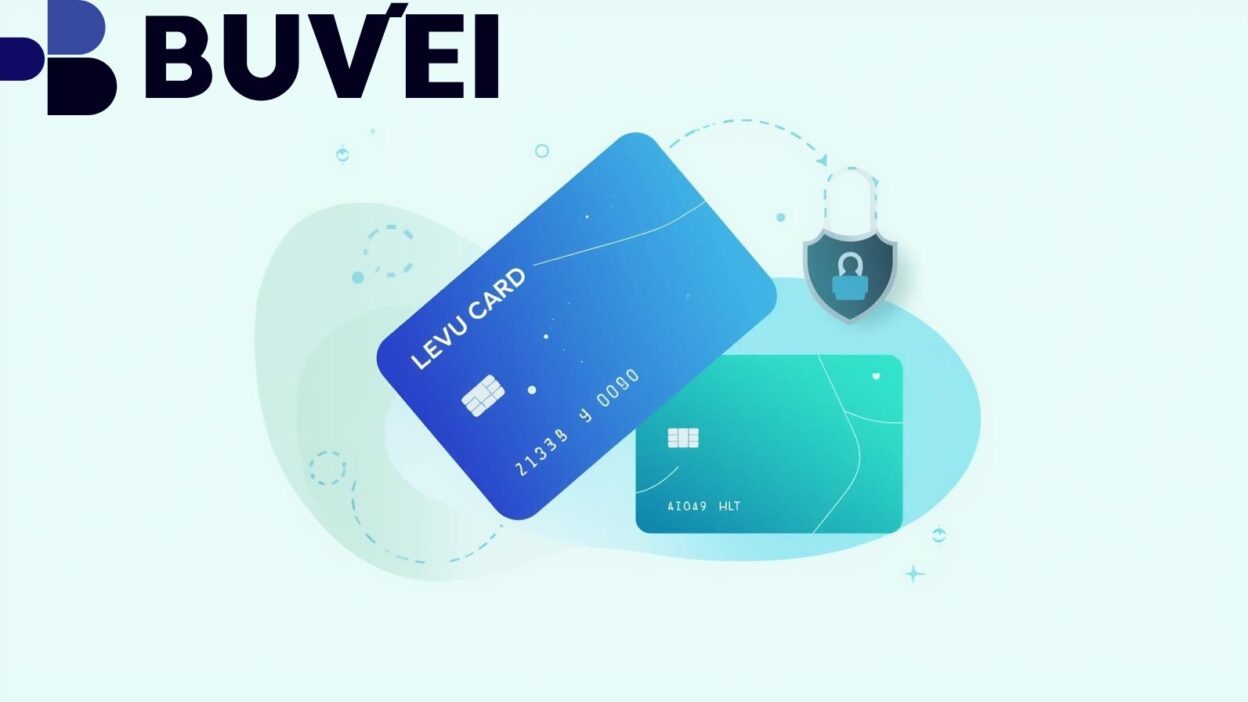
In today’s digital economy, online payments are ubiquitous, but they bring risks such as identity exposure, card fraud, and long-term account linking. Many users seek no-KYC (Know Your Customer) virtual card services to protect their privacy. This article explores four key points: why to choose no-KYC virtual cards, reliable options, potential risks, and strategies to enhance credibility. It aims to provide actionable guidance for users seeking greater privacy in their online transactions. 
Why Choose a No-KYC Virtual Card?
Choosing a no-KYC virtual card allows users to protect their personal information while transacting online. The benefits include:
-
Privacy Protection: Virtual cards isolate your real account from merchants and third parties, reducing the risk of data theft or tracking.
-
Simplified Process: No-KYC cards require minimal personal information, enabling faster registration and immediate card issuance.
-
Versatile Use Cases: Ideal for subscriptions, trial services, one-time purchases, or separating accounts for budgeting and security purposes.
It’s important to note that no-KYC does not mean unlimited anonymity. Regulations, anti-money laundering (AML) requirements, and regional restrictions still apply.
Recommended No-KYC or Low-KYC Virtual Card Options
When selecting a virtual card, consider the following types and platforms (policies may change over time):
-
Finup: Promotes “no KYC, unlimited usage,” allowing crypto deposits to generate virtual cards for online subscriptions, ads, and services.
-
BingCard: Claims a no-KYC requirement for its crypto debit and virtual cards.
-
Other Platforms: Services like Privacy.com provide virtual cards but usually require some KYC verification to comply with regulations.
Tip: Always check the platform’s terms to confirm whether it is truly no-KYC, and review funding methods, geographic restrictions, transaction limits, and security measures.
Risks and Mitigation Strategies
While no-KYC virtual cards offer privacy benefits, users should be aware of potential risks:
Risks:
-
Regulatory Risk: Platforms claiming no-KYC may not comply with AML rules, risking account freezes or service termination.
-
Service Continuity Risk: Anonymous or low-KYC services may shut down suddenly due to regulatory pressure.
-
Limited Usage: No-KYC cards may only be suitable for online payments and may not work for cash withdrawals or in-store payments.
-
Security & Trust Risk: Platforms with low transparency or lacking credentials may compromise user privacy or funds.
Mitigation Strategies:
-
Choose reputable platforms with transparent policies.
-
Set transaction limits and avoid keeping large balances.
-
Use no-KYC cards for low-risk online transactions only.
-
Keep records of all transactions and deposits.
-
Monitor accounts regularly and act immediately if suspicious activity occurs.
Enhancing Credibility and Practical Tips
For content creation or service guidance, enhance credibility by:
-
Referencing authoritative sources: Payment standards (PCI-DSS), virtual card technology definitions, and regulations.
-
Providing comparisons or examples: Highlight differences in KYC requirements, funding options, and usage restrictions.
-
Emphasizing compliance and risk awareness: Clarify that “no-KYC” is not lawless.
-
Offering practical steps: e.g., review terms before registration, test small deposits first, consider geographic restrictions.
-
Using keywords naturally: Bolded keywords such as virtual card, privacy, no-KYC, online payment, anonymous improve SEO.
-
Summarize key points: Include clear takeaways at the start or end to reinforce the main message.

Conclusion
With the rise of online payments, privacy concerns have grown. Using a no-KYC virtual card can help separate your real accounts from online transactions, enhancing privacy and security. However, no-KYC does not eliminate regulatory or operational risks. By evaluating why to choose, available options, risks, and credibility strategies, users can make informed decisions and safely navigate the digital payment landscape.