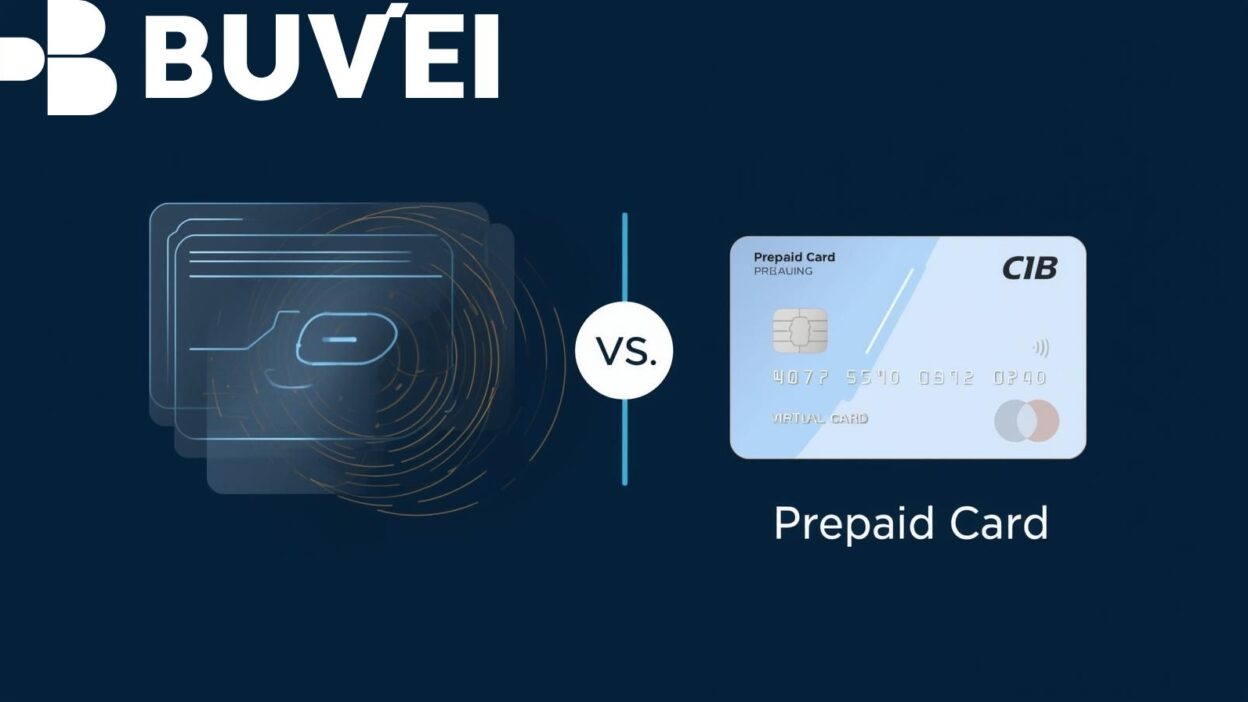
Choosing the right payment method can significantly impact your financial security, convenience, and spending control. Two popular options are virtual cards and prepaid cards. Both offer unique advantages for online shopping, budgeting, and managing expenses, but understanding their differences is key to making the right choice. This article explores the features, benefits, and drawbacks of virtual cards and prepaid cards to help you make an informed decision. 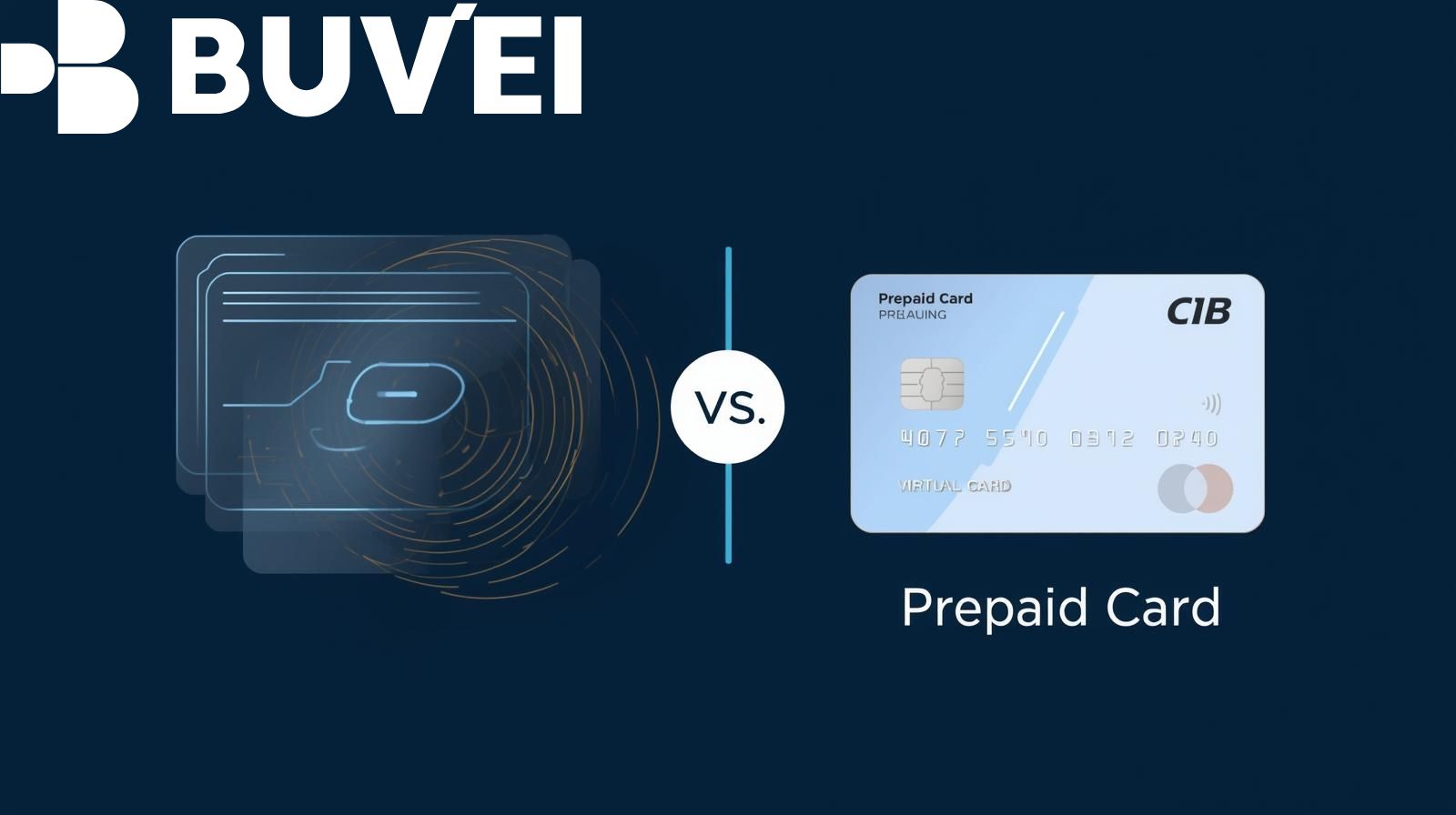
Definition and Functionality
Virtual Card:
A virtual card is a digital version of a debit or credit card that exists only online. It is generated through a bank or financial app and typically comes with a temporary card number, expiration date, and CVV. Virtual cards are primarily used for online transactions and subscriptions, reducing the risk of fraud.
Prepaid Card:
A prepaid card is a physical or digital card that is preloaded with funds. It works like a debit card but is not linked to a bank account. Prepaid cards can be used for both online and in-store purchases and often allow controlled spending since you can only spend the amount loaded on the card.
Security Features
Virtual Card Security:
One of the main advantages of a virtual card is its enhanced security. Since it is temporary and can be limited to a single transaction or merchant, it minimizes exposure to credit card fraud. Additionally, virtual cards prevent unauthorized charges by allowing users to set spending limits or expiration dates.
Prepaid Card Security:
Prepaid cards offer moderate security. While they are not linked to your bank account, making them safer from account hacks, the physical nature of some prepaid cards means they can be lost or stolen. However, most prepaid cards come with PIN protection and, in some cases, insurance for lost funds.
Convenience and Accessibility
Virtual Card Convenience:
Virtual cards are ideal for digital-first users. They are quickly generated through mobile apps or online banking platforms, making them highly convenient for instant online payments. However, they are not always accepted for physical, in-store purchases.
Prepaid Card Convenience:
Prepaid cards provide flexibility for both online and offline use. They can be used at retail stores, restaurants, and ATMs, offering broader accessibility than virtual cards. Additionally, they are suitable for gifting or budgeting, as the loaded amount limits spending automatically.
Cost and Fees
Virtual Card Fees:
Most virtual cards are free to generate, but some may have minor fees for recurring or international transactions. Since they are often linked to an existing bank account, there are usually no annual fees.
Prepaid Card Fees:
Prepaid cards may come with activation fees, monthly maintenance fees, or reload charges. It’s important to read the fee schedule carefully to avoid unexpected costs. Despite these fees, prepaid cards are useful for controlled spending and avoiding overdraft charges.

Conclusion
Choosing between a virtual card and a prepaid card depends on your spending habits, security needs, and convenience preferences. If your focus is online security and temporary usage, a virtual card is ideal. If you need versatility, budgeting control, or in-store accessibility, a prepaid card may be the better choice. Understanding their strengths and limitations allows you to select the card that best fits your financial lifestyle.