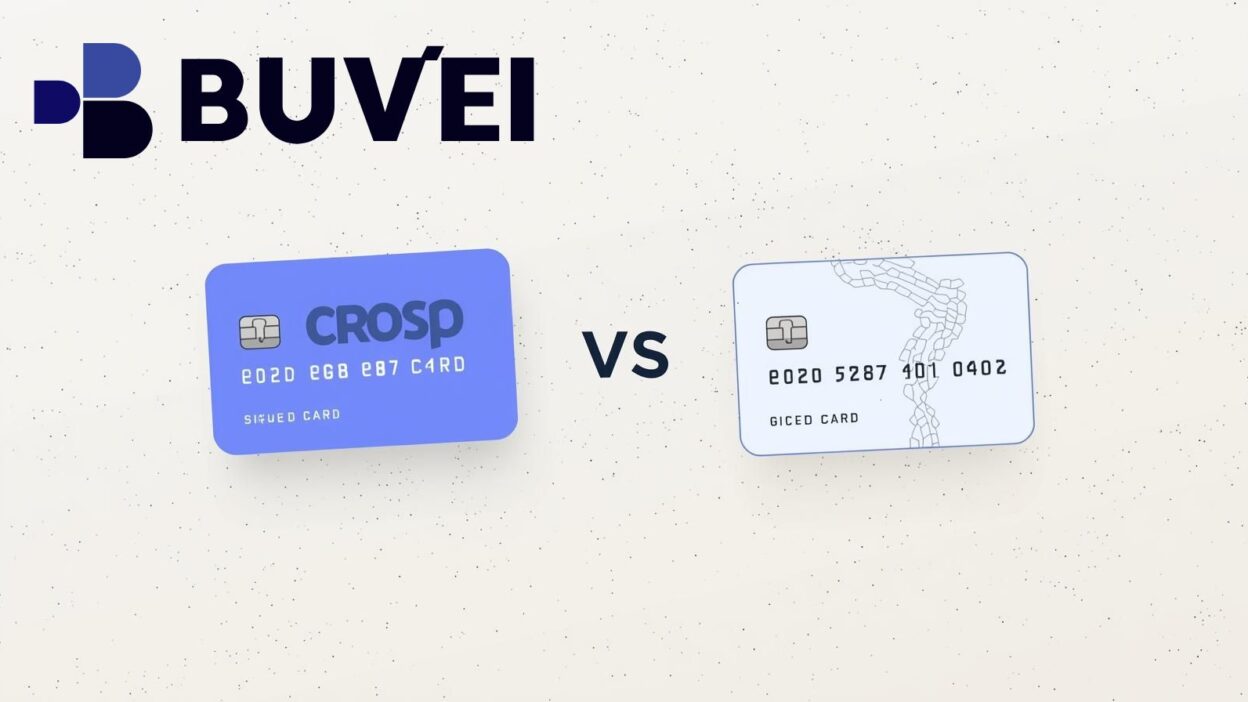
In the digital age, subscriptions for streaming services, software, and online platforms have become ubiquitous. However, managing payments for multiple subscriptions can be challenging, especially when it comes to security and convenience. Two popular solutions are virtual cards and prepaid cards. Both offer distinct advantages and limitations. This article explores their differences, benefits, and drawbacks, helping you make a smart choice for managing subscription payments while maintaining financial security. 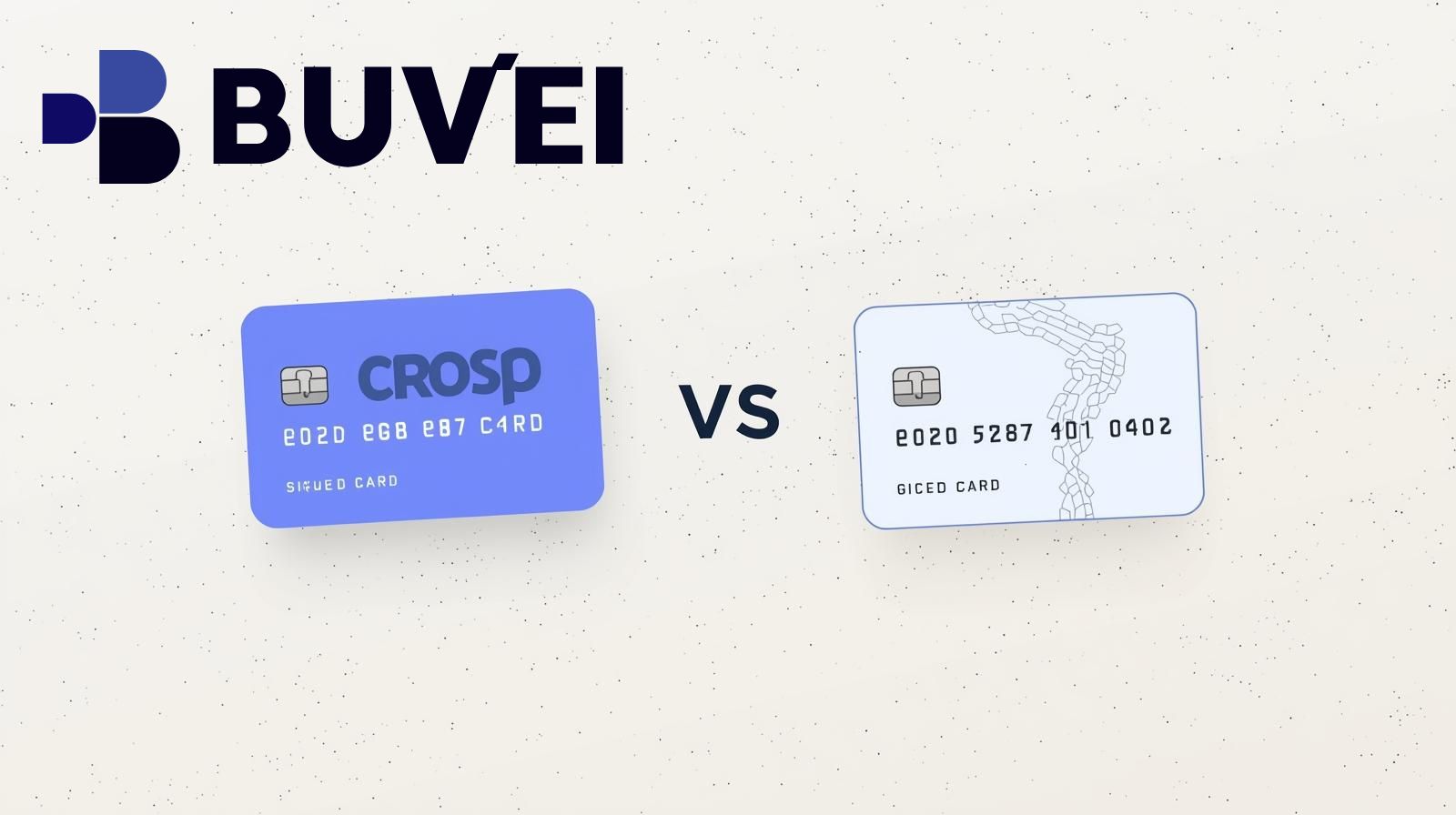
Understanding Virtual Cards and Prepaid Cards
Virtual cards are digital payment cards generated online, usually linked to a primary bank account or credit card. They are designed for online transactions and often allow one-time use or limited-time validity. Key features include:
-
Dynamic numbers that change with each transaction
-
Spending limits to control subscription charges
-
Enhanced privacy as the card details do not reveal your main account
Prepaid cards, on the other hand, are physical or digital cards preloaded with a specific amount of money. They are widely used for both online and offline transactions. Their main characteristics include:
-
Fixed balance, which prevents overspending
-
Accepted at most merchants that accept standard card networks
-
Can be reloadable or single-use
Security Comparison
Security is paramount when paying for subscriptions. Virtual cards provide superior protection for online payments because:
-
They mask your main bank account information, reducing exposure to fraud
-
Many platforms allow single-use numbers, which expire after one transaction
-
In case of a breach, compromised virtual card numbers cannot be reused
Prepaid cards, while safer than direct bank cards, cannot fully prevent data breaches. If the card is stolen or cloned, the funds are at risk until the card is reported and blocked.
From a regulatory standpoint, many countries are emphasizing online transaction security. For example, payment policies in the EU and US now encourage two-factor authentication and tokenized payments—standards that virtual cards naturally comply with.
Convenience and Flexibility
Managing multiple subscriptions is easier with virtual cards because they allow:
-
Customizable limits for different services
-
Automatic expiration, reducing the need to cancel cards manually
-
Easy integration with digital wallets and subscription management apps
Prepaid cards require manual tracking of balances and renewals. While convenient for general spending, they lack granular control over recurring payments, making virtual cards more suitable for subscription management.
Cost and Accessibility
Prepaid cards often come with activation or reload fees and may charge for inactivity. Virtual cards are usually free when offered by a financial platform like Buvei, which specializes in subscription-friendly virtual card solutions. Buvei provides:
-
Instant issuance of virtual cards for global subscriptions
-
Optional spending limits and one-time use settings
-
Compliance with international payment regulations
Virtual cards reduce the risk of accidental overdraft or hidden fees and are increasingly accessible through banks, fintech apps, and platforms like Buvei.

Conclusion
When it comes to subscription management, virtual cards clearly offer stronger security, flexibility, and ease of use compared to prepaid cards. While prepaid cards can serve as a safer alternative to direct debit or credit cards, they lack the advanced control features that virtual cards provide. Platforms like Buvei make it simple to generate secure, temporary virtual cards tailored for subscription services, protecting your main account while streamlining payment management.
For anyone managing multiple subscriptions, investing in virtual card solutions is a proactive step toward better financial security and control.