In an era dominated by digital transactions, the security of our financial information is paramount. Virtual cards have emerged as a powerful tool designed specifically to address the vulnerabilities of traditional plastic cards in online and over-the-phone payments. But are they truly safe? This expert security review delves into the architecture of virtual cards, analyzing their safety mechanisms, inherent advantages, and practical limitations. We will provide a clear, evidence-based assessment to help you understand how virtual cards can fortify your financial defenses against modern cyber threats. 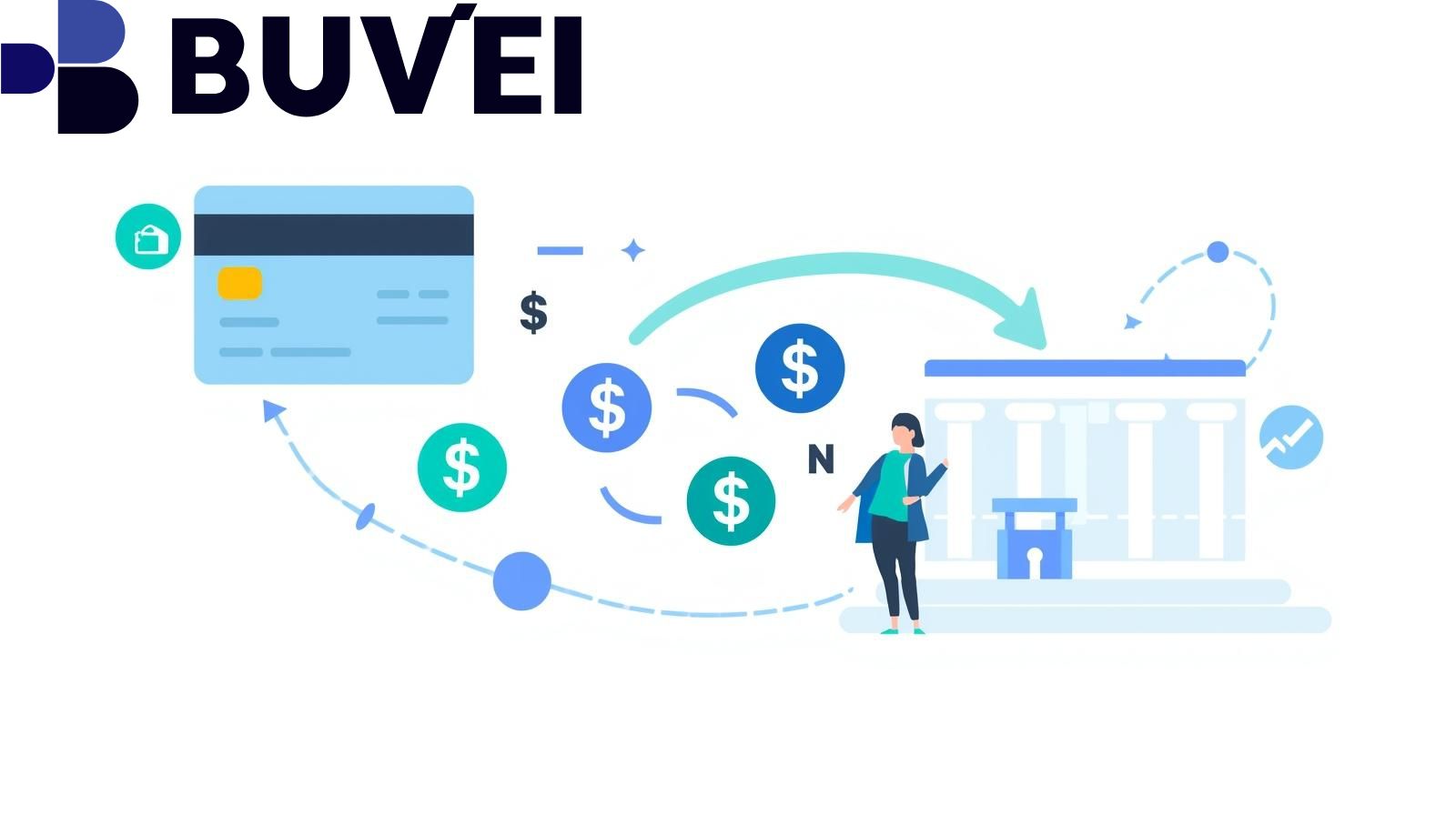
How Virtual Cards Create a Secure Payment Barrier
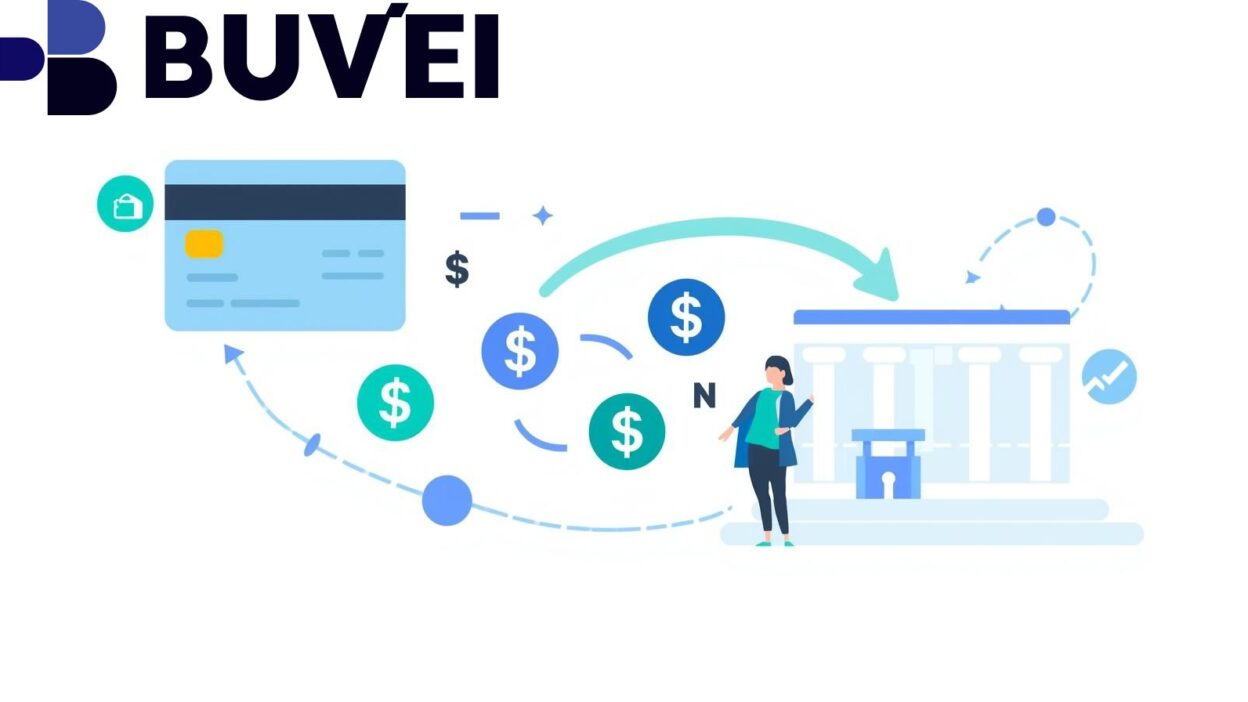
A virtual card is a digitally generated card number linked to your primary credit or debit card account. Its core security principle is abstraction; it creates a protective buffer between merchants and your sensitive real account details.
The primary security features include:
-
Unique Card Numbers: Instead of sharing your primary 16-digit card number, you generate a unique, disposable number for each transaction or merchant. If this virtual number is compromised in a data breach, your main account remains untouched.
-
Controlled Spending Limits: You can set precise spending limits for each virtual card. This could be a single transaction amount or a monthly cap. This feature, often called spending control, ensures that even if a card number is stolen, the thief can only spend up to the predefined limit, drastically minimizing potential losses.
-
Expiration Dates: Virtual cards can be configured with very short validity periods—some can be set to expire after a single use or within a month. This limited lifespan means stolen data quickly becomes useless to fraudsters.
These features work in concert to create a dynamic and resilient security layer that static plastic cards cannot match.
The Core Security Advantages Over Physical Cards
The security benefits of virtual cards are substantial and directly address common fraud vectors.
-
Elimination of Skimming and Physical Theft: Since virtual cards have no physical form, they are completely immune to skimming devices at ATMs or gas stations, and their numbers cannot be stolen from a lost or stolen wallet.
-
Mitigation of Data Breach Impact: Major merchant data breaches are a primary source of card fraud. When you use a unique virtual card number for each site, a breach at one retailer only exposes that specific number. Your primary account number is not circulating across multiple databases, significantly reducing fraud risk.
-
Enhanced Privacy Protection: Virtual cards mask your identity and primary account information from merchants. This adds a layer of privacy protection, limiting the amount of your personal data that is collected, sold, or potentially exposed in a breach.
-
Merchant-Lock Capability: Some virtual card providers offer a "merchant lock" feature. This allows a card to be used only at a specific store. If that card number is later used anywhere else, the transaction will be automatically declined, effectively neutralizing its value to criminals.
Potential Limitations and How to Mitigate Them
While highly secure, virtual cards are not a silver bullet and come with certain limitations that users must understand.
-
Challenges with Recurring Payments: Using a single-use card or one with a short expiration date for subscriptions (e.g., Netflix, gym memberships) will cause the payment to fail after the card expires. The mitigation strategy is to create a dedicated virtual card for each recurring payment with a higher spending limit and a longer validity period, and to keep track of these associations.
-
Refund and Dispute Complications: If you need to return a product purchased with an expired or single-use card, the refund process can be complex. The funds are typically credited back to your primary account, but it may take longer. For dispute resolution, the process is generally the same as with a physical card, but you should inform your card issuer that the transaction was made using a virtual card number.
-
Platform Dependency: Virtual cards are managed through apps or online banking portals. This means you are reliant on the security of your financial institution's digital platform. It is critical to protect your online banking credentials with a strong, unique password and enable two-factor authentication.
-
Limited Universal Acceptance: Although growing, not all merchants or payment processors accept virtual cards, particularly for certain types of transactions like hotel reservations or car rentals that require a physical card for incidentals.
Expert Strategies for Maximizing Virtual Card Safety
To leverage the full security potential of virtual cards, adopt these expert-recommended practices.
-
Implement a Tiered Usage Strategy. Do not use your primary physical card for online purchases. Reserve it for trusted, in-person transactions. Use virtual cards as your default for all digital commerce.
-
Create Merchant-Specific Cards. For frequently used sites like Amazon or Apple, generate a dedicated virtual card with a sensible spending limit. This isolates your financial exposure to that single merchant.
-
Aggressively Use Single-Use Cards. For one-off purchases from unfamiliar or less-trusted websites, always opt for a single-use virtual card. This is the most secure practice for preventing card number reuse by fraudsters.
-
Regularly Monitor and Audit. Just as with your primary accounts, consistently review the transactions on your virtual cards. Because you create them for specific purposes, it is often easier to spot unauthorized activity. This proactive fraud prevention habit is a critical component of digital financial hygiene.

Conclusion
Virtual cards represent a significant evolution in payment security, offering a robust and intelligent defense against the prevalent threats of the digital age. By creating a dynamic barrier between your core financial accounts and the merchants you transact with, they provide superior protection against data breaches, fraud, and unauthorized spending. While mindful consideration is required for recurring payments and refunds, their security advantages are undeniable. For any individual serious about safeguarding their finances online, integrating virtual cards into their payment strategy is not just a recommendation; it is a fundamental step toward achieving greater financial security and peace of mind.