
As online payments become more tightly monitored by platforms, banks, and payment processors, more users are adopting virtual card rotation to reduce payment risk. Whether you're managing ad accounts, SaaS subscriptions, or international payments, relying on a single card often leads to higher exposure, sudden declines, or account restrictions.
This guide explains how card rotation works, when it matters most, and how to implement it step by step using Buvei virtual cards.

What Virtual Card Rotation Means
Virtual card rotation is the practice of using multiple virtual cards instead of one single card for all transactions. Instead of concentrating activity on one payment method, users distribute payments across different cards.
Rotation can include:
-
Using separate cards for different platforms
-
Assigning one card per subscription
-
Rotating cards after certain spending thresholds
-
Replacing cards proactively before risk accumulates
This method is commonly used by advertisers, SaaS-heavy teams, crypto users, and international businesses to minimize disruption.
High-Risk Payment Scenarios Explained
Certain payment behaviors naturally trigger higher scrutiny from platforms and processors.
High-risk scenarios include:
-
Running multiple ad accounts on one card
-
Frequent cross-border transactions
-
High-volume SaaS subscriptions
-
Rapid spending spikes
-
Repeated authorization retries after declines
-
Using the same card across unrelated platforms
In these environments, relying on one card significantly increases the chance of:
-
Card declines
-
Payment freezes
-
Merchant account reviews
-
Platform bans
-
Subscription interruptions
This is why virtual cards for risk management are now a standard best practice.
Benefits of Using Multiple Virtual Cards
Implementing virtual card rotation offers practical advantages:
-
Limits exposure if one card is flagged
-
Isolates risk per platform or account
-
Improves approval rates for high-frequency payments
-
Makes spending control easier
-
Protects business operations from single-point failure
-
Enhances privacy and security
For anyone managing ads, tools, or global payments, using multiple virtual cards is no longer optional — it's strategic.
How to Create Multiple Virtual Cards with Buvei
Buvei is designed specifically for users who need flexible card management at scale.
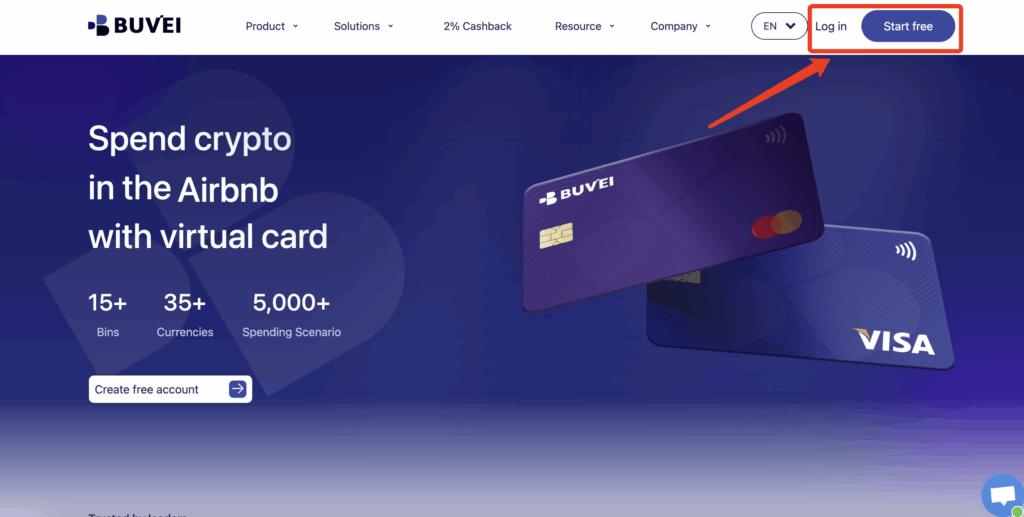
Step 1: Register a Buvei Account
Visit https://buvei.com and create a free account.
After verifying your email, log in to your Buvei dashboard.
Step 2: Fund Your Account
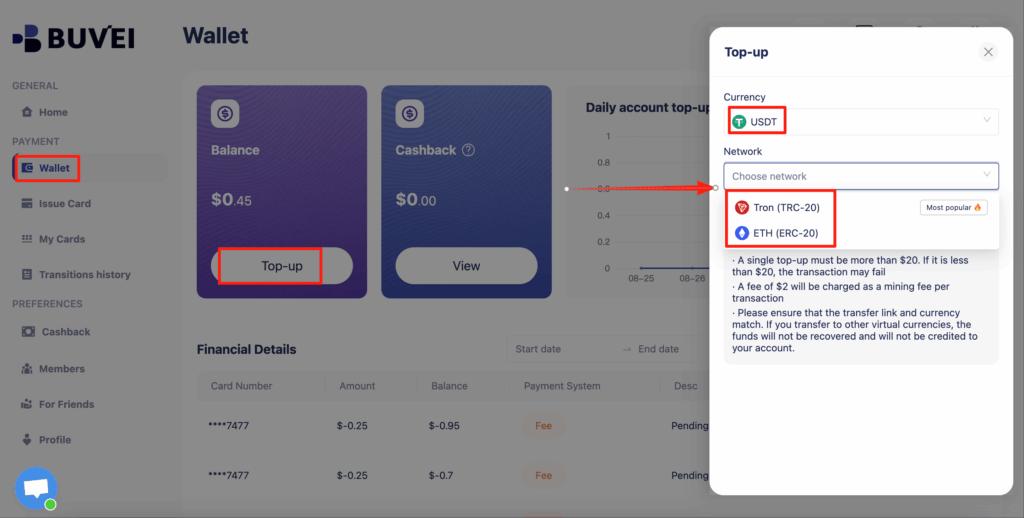
Go to the Wallet tab and top up using:
-
USDT (TRC20)
-
USDT (ERC20)
You will receive a dedicated deposit address. Once confirmed on-chain, your balance becomes immediately available.
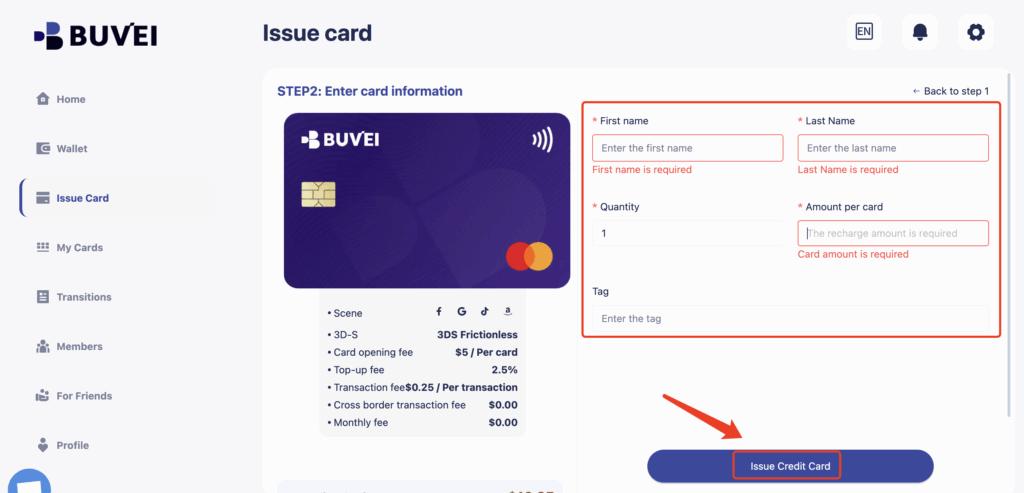
Step 3: Create Multiple Virtual Cards
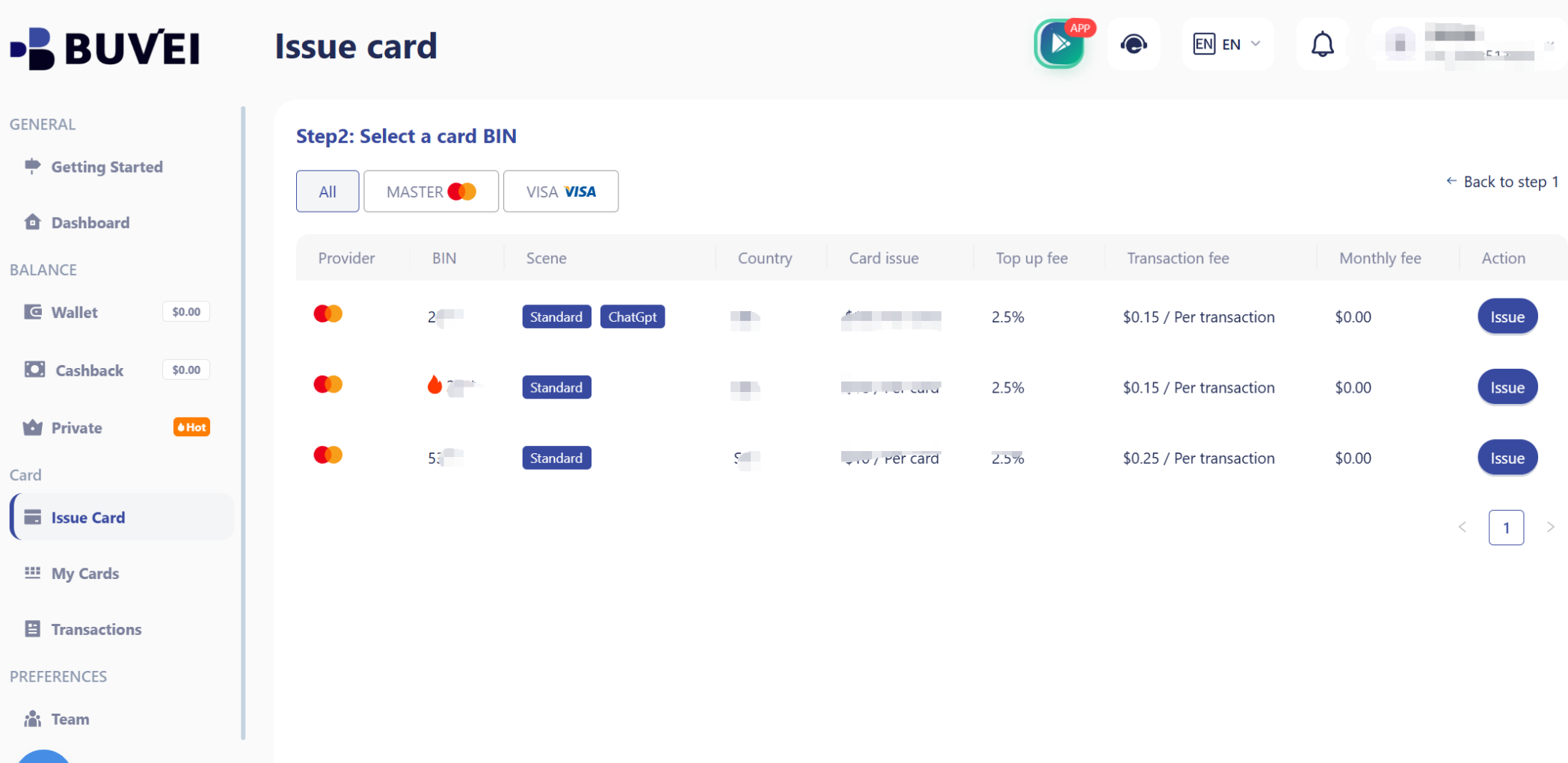
Go to the Cards tab and follow the process:
-
Select BIN region (US BIN recommended)
-
Choose card type
-
Click Issue Card
-
Enter card name, funding amount, and number of cards
-
Click Create Card
You can instantly generate multiple cards and view for each:
-
Card number
-
Expiration date
-
CVV
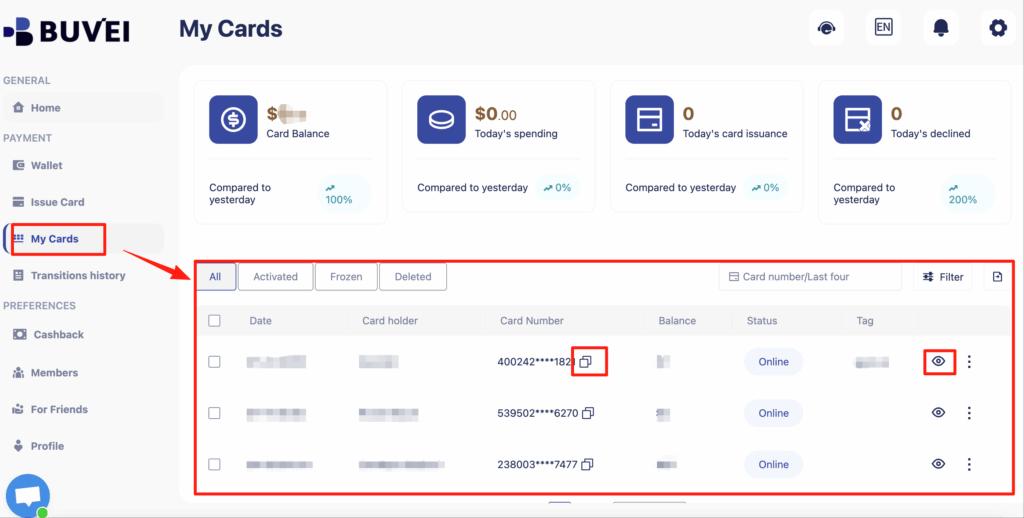
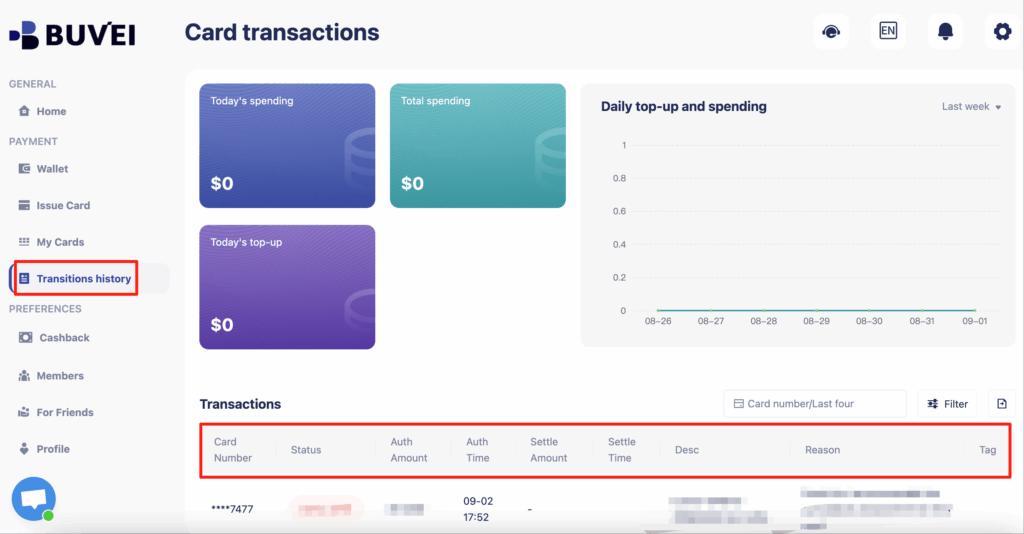
-
Individual transaction history
-
Top-up and spending records
This structure makes Buvei especially suitable for card rotation strategies.
Card Rotation Strategies for Different Use Cases
Different payment scenarios require different rotation logic.
For Ad Accounts (Google, Meta, TikTok, X Ads)
-
Use one card per ad account
-
Do not share cards across multiple platforms
-
Replace cards proactively if spending patterns change
For SaaS Subscriptions (ChatGPT, Notion, Canva, etc.)
-
Assign one card per tool
-
Maintain buffer balance for renewals
-
Avoid stacking all subscriptions on one card
For Teams and Agencies
-
Issue separate cards per team member
-
Use spending limits per role
-
Monitor transactions centrally in one dashboard
For International Payments
-
Match BIN region with merchant region where possible
-
Rotate cards if consistent declines begin
These approaches significantly improve payment risk control and long-term account stability.
Risk Control and Compliance Best Practices
Beyond rotation, strong payment hygiene matters.
Best practices include:
-
Never reusing heavily flagged cards
-
Avoiding rapid-fire authorization retries
-
Keeping billing details consistent
-
Using clear naming for each card
-
Reviewing transactions regularly
-
Setting realistic spending limits
-
Using PCI DSS–compliant providers
Buvei supports these practices through:
-
Transparent fee structure
-
Real-time transaction visibility
-
Flexible card limits
-
Secure infrastructure
-
Real-time customer support when issues arise

Final Thoughts
In today’s payment environment, relying on a single card is one of the biggest operational risks you can take. Implementing virtual card rotation is one of the simplest and most effective ways to reduce payment risk, improve approval rates, and protect your accounts.
With Buvei, users can:
-
Instantly issue multiple cards
-
Control spending per card
-
Separate risk by platform
-
Manage everything from a single dashboard
-
Scale payment operations safely
If you're serious about long-term stability in online payments, rotating virtual cards is not just a tactic — it’s a foundational strategy.