If you live in Nigeria, you’ve probably experienced this at least once:
You try to pay for Netflix…
Or renew a subscription…
Or run ads online…
And your card gets declined.
Not because you don’t have money—but because the payment simply isn’t supported.
We tested different virtual cards Nigeria users rely on, including traditional bank-issued dollar cards and newer global virtual card platforms.
The conclusion is pretty straightforward:
Virtual cards have become one of the most reliable ways for Nigerians to handle international payments in 2026.
But not all virtual cards work equally well.
Some fail frequently.
Some have hidden fees.
Some don’t support the platforms people actually use.
Why Virtual Cards Are Growing Fast in Nigeria
Virtual cards didn’t become popular in Nigeria by accident.
They became necessary.
Foreign Payment Restrictions Changed Everything
Many local bank cards face:
- International transaction limits
- Currency restrictions
- Frequent declines
This makes everyday payments harder.
Especially for:
- Subscriptions
- Ads
- SaaS tools
Dollar Payments Are Common Now
Many services Nigerians use are priced in USD.
Examples include:
- Streaming platforms
- Hosting services
- AI tools
- Software subscriptions
Without reliable dollar payment options, users quickly run into problems.
Online Business Growth Increased Demand
Nigeria has seen rapid growth in:
- Freelancing
- E-commerce
- Digital marketing
All of these require:
- International payment capabilities
In practice:
Virtual cards didn’t just become convenient—they became essential.
What to Look for in a Virtual Card in Nigeria
Not all cards are worth using.
Some fail more often than they succeed.
Here’s what actually matters.
Multi-Currency Support
A strong virtual card should support:
- USD payments
- International platforms
This reduces:
- Payment failures
- Conversion issues
High Payment Success Rate
Many declines happen due to:
- Weak BIN compatibility
- Platform restrictions
Good cards support:
- Global payment networks
Transparent Fees
Watch out for:
- Hidden charges
- Unexpected deductions
Reliable platforms show:
- Fees clearly
Fast Card Creation
Waiting days for a card defeats the purpose.
Look for:
- Instant issuance
Easy Funding Options
Funding should be:
- Fast
- Affordable
Especially important for:
- International payments
Bottom line:
Reliability matters more than marketing promises.
Common Payment Problems Nigerian Users Face
Most payment failures follow predictable patterns.
Understanding them helps prevent frustration.
Card Declined on International Sites
This often happens when:
- Cards lack global compatibility
- BIN regions are restricted
Subscription Failures
Recurring billing sometimes fails due to:
- Insufficient authorization support
Currency Conversion Issues
Unexpected fees can appear when:
- Exchange rates fluctuate
Payment Limits
Some local cards restrict:
- Daily international spending
Reality check:
Many of these problems aren’t user mistakes—they’re infrastructure limitations.
Top Use Cases for Virtual Cards in Nigeria
This is where virtual cards become extremely valuable.
Streaming Subscriptions
Popular services include:
- Netflix
- Spotify
- Disney+
These typically require:
- International payment support
Online Advertising
Many Nigerian businesses run:
- Facebook Ads
- Google Ads
- TikTok Ads
Reliable payment methods are critical.
SaaS Tools
Common examples:
- Design tools
- Automation platforms
- AI services
These tools often bill monthly.
Online Shopping
Buying from:
- International marketplaces
Requires:
- Stable card acceptance
In real-world use:
Most users start with subscriptions—and later expand to business tools.
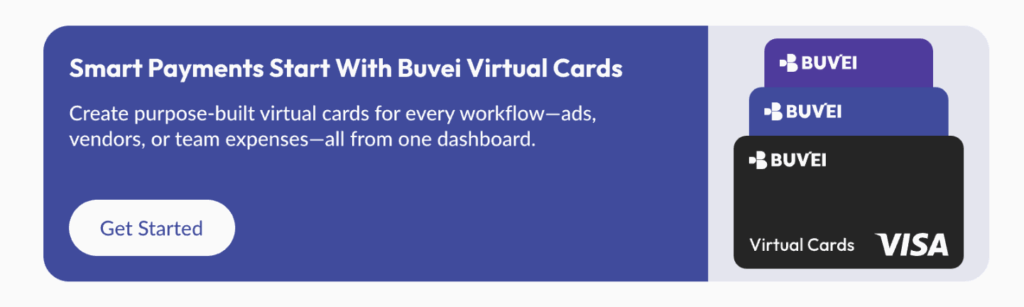
Why Buvei Virtual Cards Work Well for Nigeria
When testing different virtual cards, compatibility stood out as the most important factor.
Buvei offers features that address common Nigerian payment problems.
Multiple BIN Support
This improves:
- Global acceptance rates
Especially useful for:
- Ads
- Subscriptions
USDT Top-Up Support
Benefits include:
- Lower remittance costs
- Faster funding
Instant Card Issuance
Users can:
- Create cards immediately
- Start payments without delays
Transparent Fee Structure
No hidden charges.
All fees:
- Visible in the dashboard
Multi-Card Management
Create:
- Multiple cards
- For different purposes
Real-Time Customer Support
If problems occur:
- Help is available quickly
In practice:
These features solve many of the typical payment failures Nigerian users experience.
Real-World Tips for Nigerian Users
Here are lessons from actual usage patterns.
Always Separate Payments
Use different cards for:
- Personal subscriptions
- Business tools
Keep Backup Cards Ready
Having alternatives prevents:
- Service interruptions
Monitor Monthly Charges
Track:
- Recurring payments
Avoid Overloading One Card
Distribute usage across:
- Multiple cards
These habits reduce payment risk significantly.
The Future of Virtual Cards in Nigeria
Payment systems are evolving quickly.
Nigeria is no exception.
More Businesses Going Global
Digital services continue expanding.
That increases demand for:
- International payment solutions
Virtual Cards Becoming Standard
Many users now:
- Prefer virtual cards
- Over traditional cards
Better Global Integration
Expect:
- Higher compatibility
- Lower payment friction
Virtual cards are becoming the default—not the backup.
Conclusion
Choosing the best virtual cards Nigeria users can rely on isn’t about finding the cheapest option.
It’s about finding the most reliable one.
Virtual cards solve many of the payment challenges Nigerians face today:
- International transaction limits
- Subscription failures
- Currency restrictions
And when set up properly, they create a flexible system that supports:
- Streaming
- Ads
- SaaS tools
- Online shopping
As digital payments continue to grow, having a reliable virtual card setup isn’t just helpful—
it’s becoming necessary.