Virtual cards have become essential infrastructure for online businesses in 2026. From advertising accounts and AI subscriptions to SaaS tools and global travel bookings, the right platform reduces payment failures and improves transaction stability.
When comparing the best virtual card platforms in the US, it’s important to look beyond simple card issuance. Performance, billing compatibility, automation tools, and funding flexibility all play a role.
This guide explains what defines a strong US virtual card platform, what features to compare, common use cases, and why Buvei is suitable for global online payments.
What Defines a Good Virtual Card Platform in the US
A high-quality virtual card provider should offer more than just card numbers. Key characteristics include:
Merchant Compatibility
Strong approval rates across advertising platforms, SaaS tools, AI subscriptions, and travel websites.
Multi-BIN Access
Cards issued under multiple BINs improve international authorization rates.
Recurring Billing Stability
Support for subscription-based platforms without frequent declines.
API and Automation Tools
Essential for agencies, fintech platforms, and businesses managing multiple cards.
Transparent Fee Structure
Clear pricing for issuance, transactions, and funding.
Security and Compliance
PCI DSS compliance, fraud monitoring, and secure dashboards.
These elements separate average providers from the leaders in a proper US virtual card platform comparison.
Key Features to Compare (Limits, BIN, Billing Support, API)
When evaluating the top virtual card providers in the USA, focus on the following:
Spending Limits
Check daily, monthly, and per-transaction caps. Higher limits are important for ads and cloud infrastructure.
BIN Diversity
Multi-BIN cards help reduce declines caused by geographic mismatches.
Recurring Billing Compatibility
Some platforms struggle with subscription renewals. Ensure the provider supports stable recurring charges.
API Access
Automation enables bulk card creation, expense allocation, and internal integrations.
Funding Options
Support for bank transfers, wires, or crypto (such as USDT) increases flexibility for international users.
Real-Time Monitoring
Immediate transaction visibility helps identify issues before services are interrupted.
These features determine whether a platform is suitable for scaling online payments.
Common Use Cases: Ads, AI Subscriptions, SaaS, and Travel
Virtual cards are widely used across digital industries:
Digital Advertising
Media buyers running campaigns on major ad platforms often experience bank declines due to risk scoring or rapid spend increases.
AI Subscriptions
AI tools frequently use automated recurring billing. International bank cards sometimes fail authorization.
SaaS and Cloud Services
Subscription-based software and infrastructure providers rely on stable recurring charges.
Travel Bookings
Online travel platforms require internationally compatible cards and may place temporary authorization holds.
For these use cases, businesses rely on virtual cards for online payments to isolate risk and manage budgets effectively.
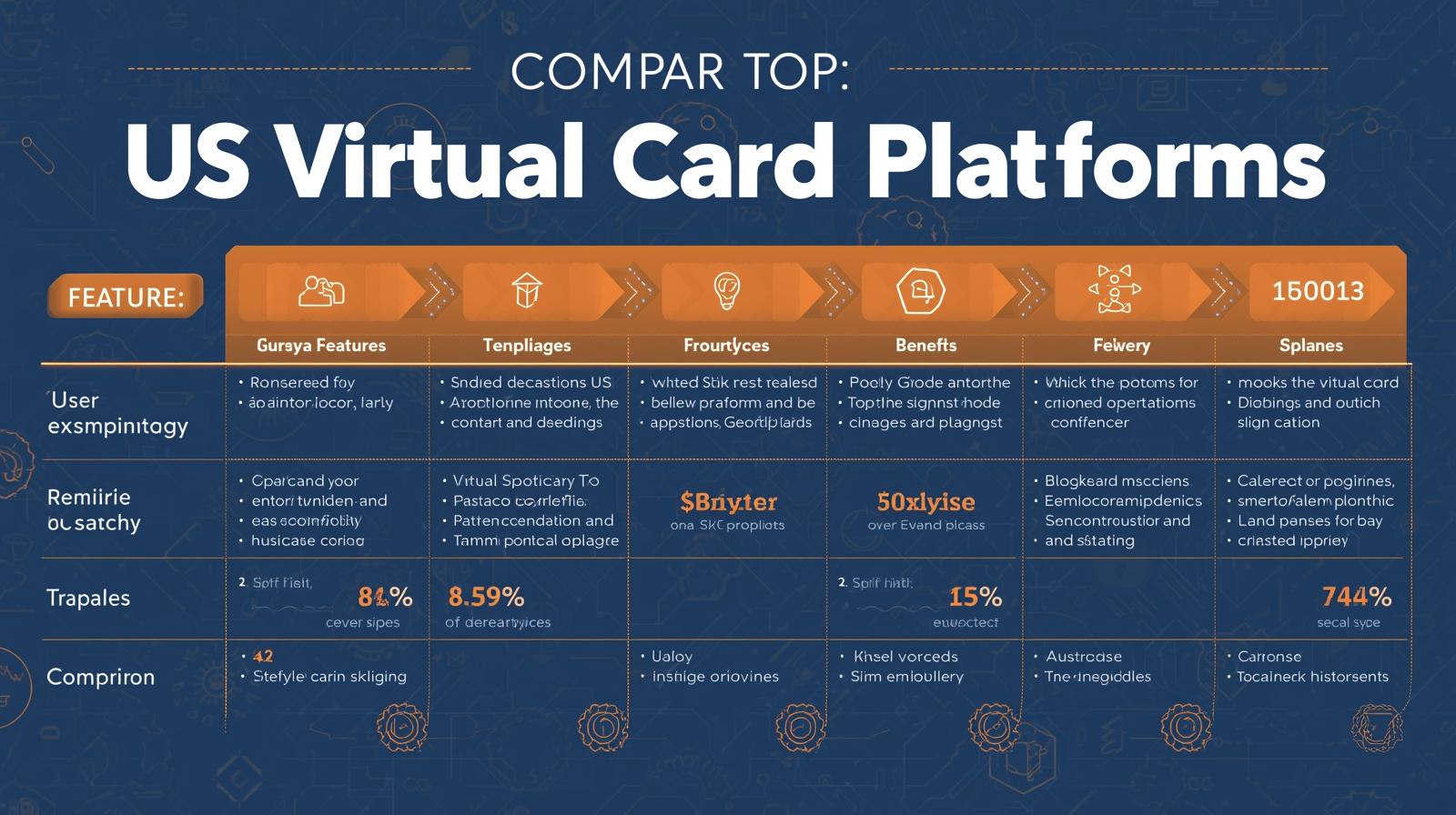
Comparison of Popular US Virtual Card Platforms
Several types of providers operate in the US market:
Traditional Fintech Platforms
Offer virtual cards connected to US bank accounts. Strong compliance and domestic support, but limited crypto funding options.
Corporate Expense Platforms
Focused on team spending controls and expense management. Suitable for internal operations but sometimes restrictive for high-risk industries like advertising.
Crypto-Integrated Platforms
Allow wallet-based funding and global access. Useful for international users without US banking relationships.
When comparing platforms, evaluate:
-
Multi-BIN support
-
Recurring billing performance
-
API automation capabilities
-
Acceptance rates for ads and SaaS
-
Funding flexibility
The best virtual card platforms in the US balance compliance, flexibility, and international usability.
Why Buvei Is Suitable for Global Online Payments
Buvei virtual cards are designed for cross-border online transactions, including advertising, AI subscriptions, SaaS platforms, cloud infrastructure, and travel.
Key strengths include:
Multi-BIN Card Issuance
Improves authorization rates across international merchants.
Recurring Billing Support
Handles subscription renewals with reduced decline rates.
USDT Funding (TRC20/ERC20)
Allows users to fund wallets with stablecoins, supporting global access.
Dedicated Card Allocation
Issue separate cards for ads, SaaS, AI tools, or travel to isolate payment risk.
Real-Time Dashboard
Monitor transactions, balances, and spending patterns instantly.
Below is the step-by-step process to start using Buvei.

Step-by-Step: Getting a Buvei Virtual Card
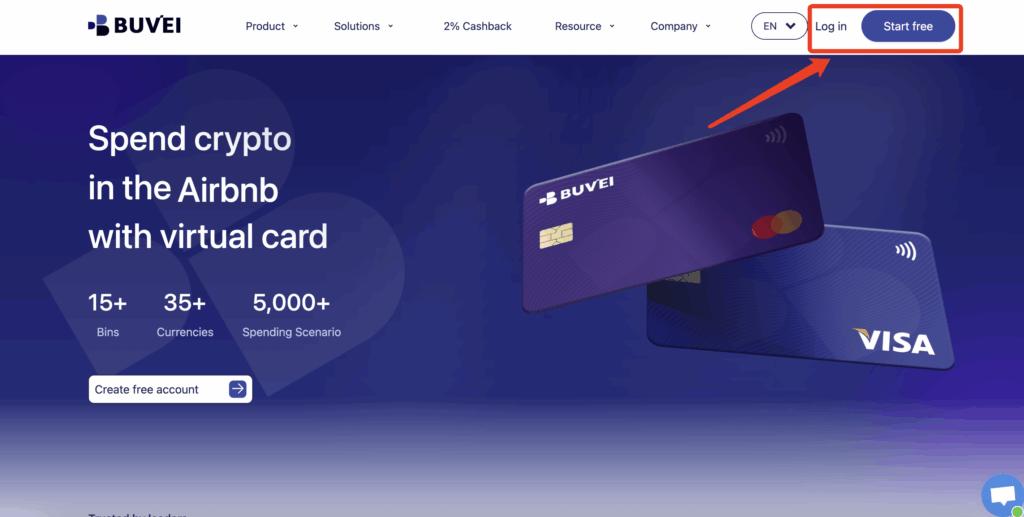
Step 1: Create an Account
-
Visit https://buvei.com
-
Click Sign Up
-
Complete email verification
-
Log in to the dashboard
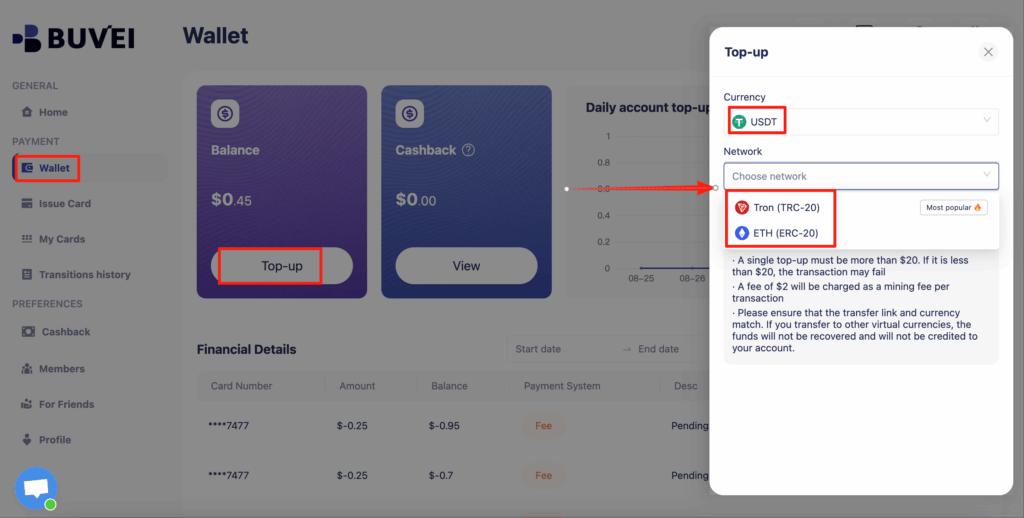
Step 2: Fund Your Wallet
-
Go to the Wallet section
-
Select USDT (TRC20 or ERC20)
-
Copy your deposit address
-
Transfer USDT
-
Wait for confirmation
Funds become available once the blockchain transaction confirms.
Step 3: Issue a Virtual Card
Navigate to the Cards tab
Choose your preferred BIN region
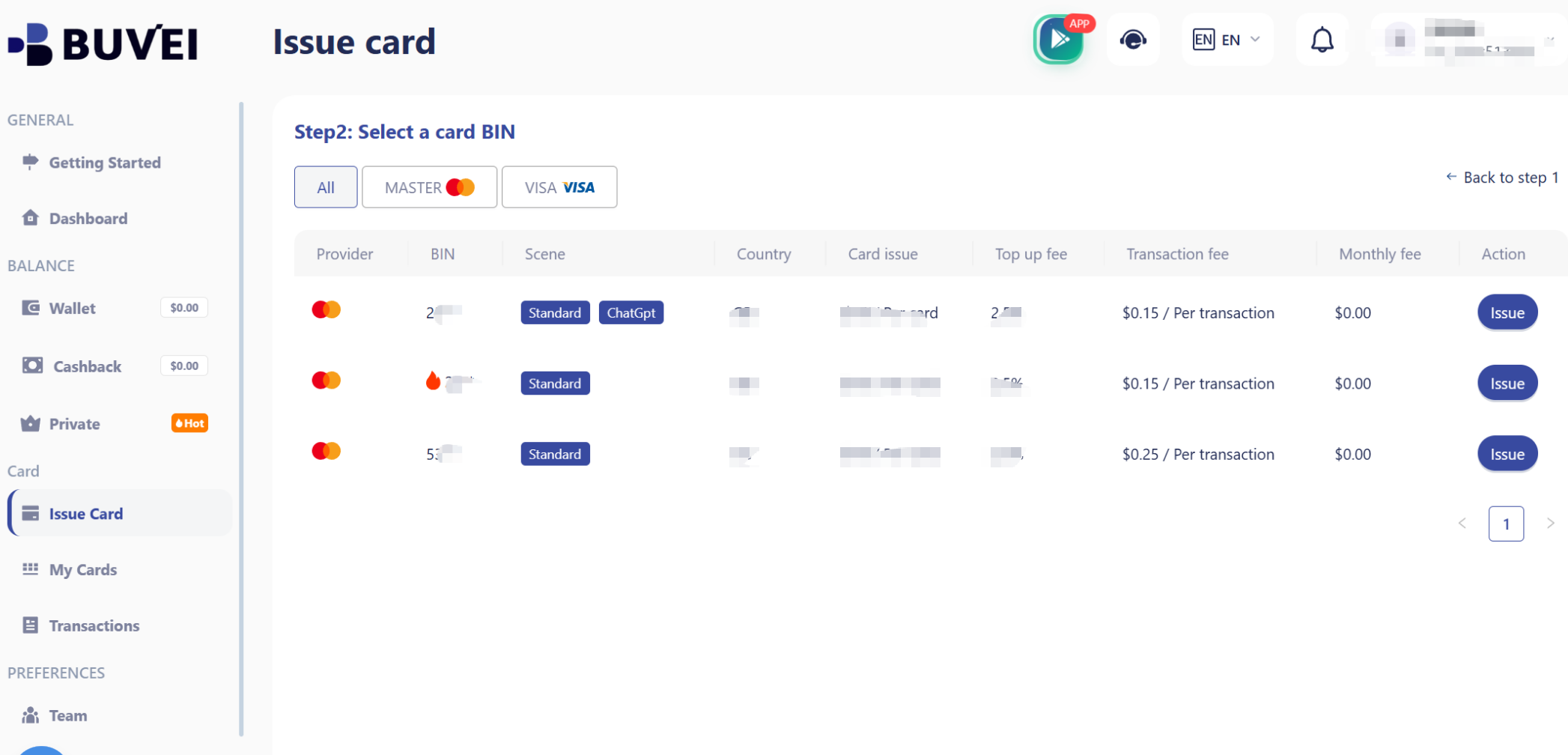
Select card type
Click Issue Card
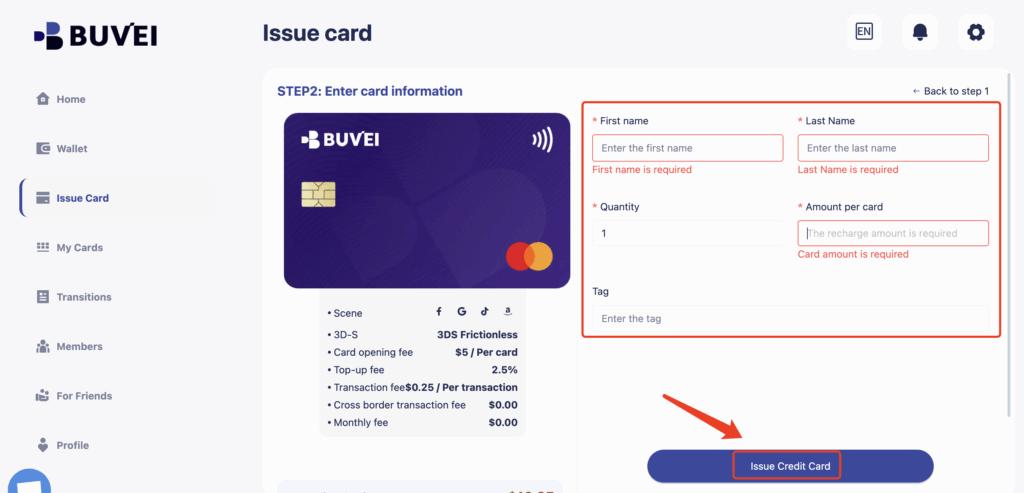
Enter:
-
-
Card name
-
Funding amount
-
Quantity
-
Confirm issuance
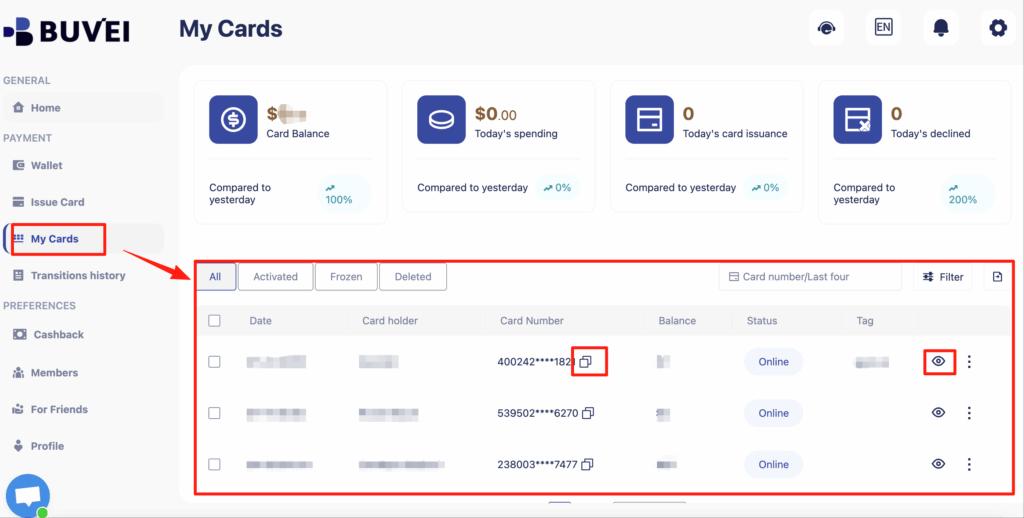
You will immediately receive:
-
Card number
-
Expiration date
-
CVV
-
Balance tracking
-
Transaction logs
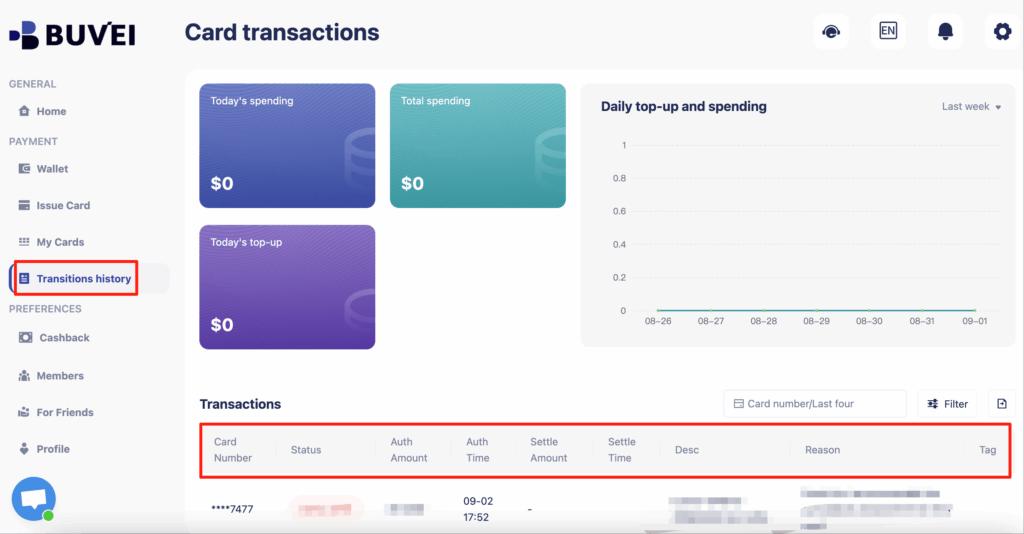
You can then view card details, transaction history, and spending reports under My Cards.
Final Thoughts
Selecting among the best virtual card platforms in the US requires careful evaluation of billing stability, multi-BIN compatibility, automation features, and funding flexibility.
As online payments continue expanding across advertising, AI, SaaS, and travel, businesses need infrastructure that supports international transactions with minimal friction. A well-structured virtual card platform provides the control, segmentation, and scalability required for modern digital operations in 2026.