Introduction
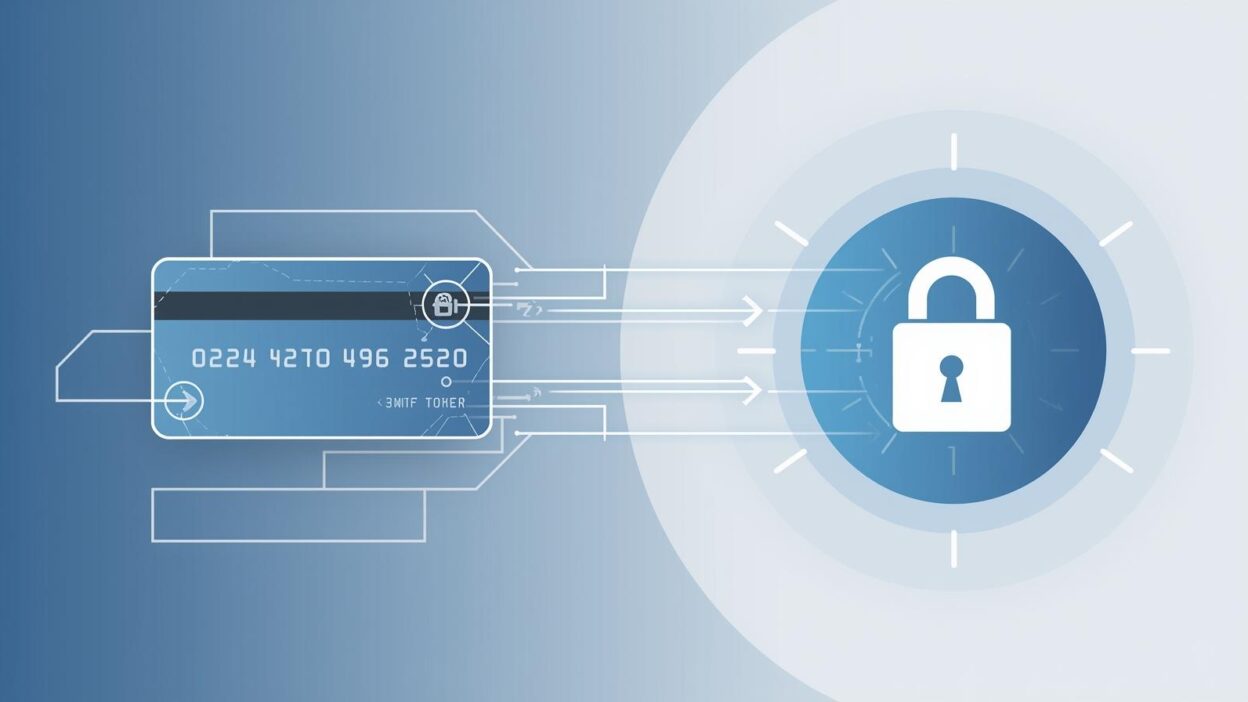
In today’s digital-first economy, payment security is more critical than ever. Traditional card numbers are often vulnerable to theft, fraud, and misuse. That’s where tokenized virtual card numbers come in. By replacing sensitive payment data with randomly generated tokens, businesses and consumers can enjoy a more secure and efficient transaction process.
This article breaks down the science behind tokenized virtual card numbers, why they matter, and how providers like Buvei integrate these technologies to improve both security and usability.
What Is Tokenization in Payments?
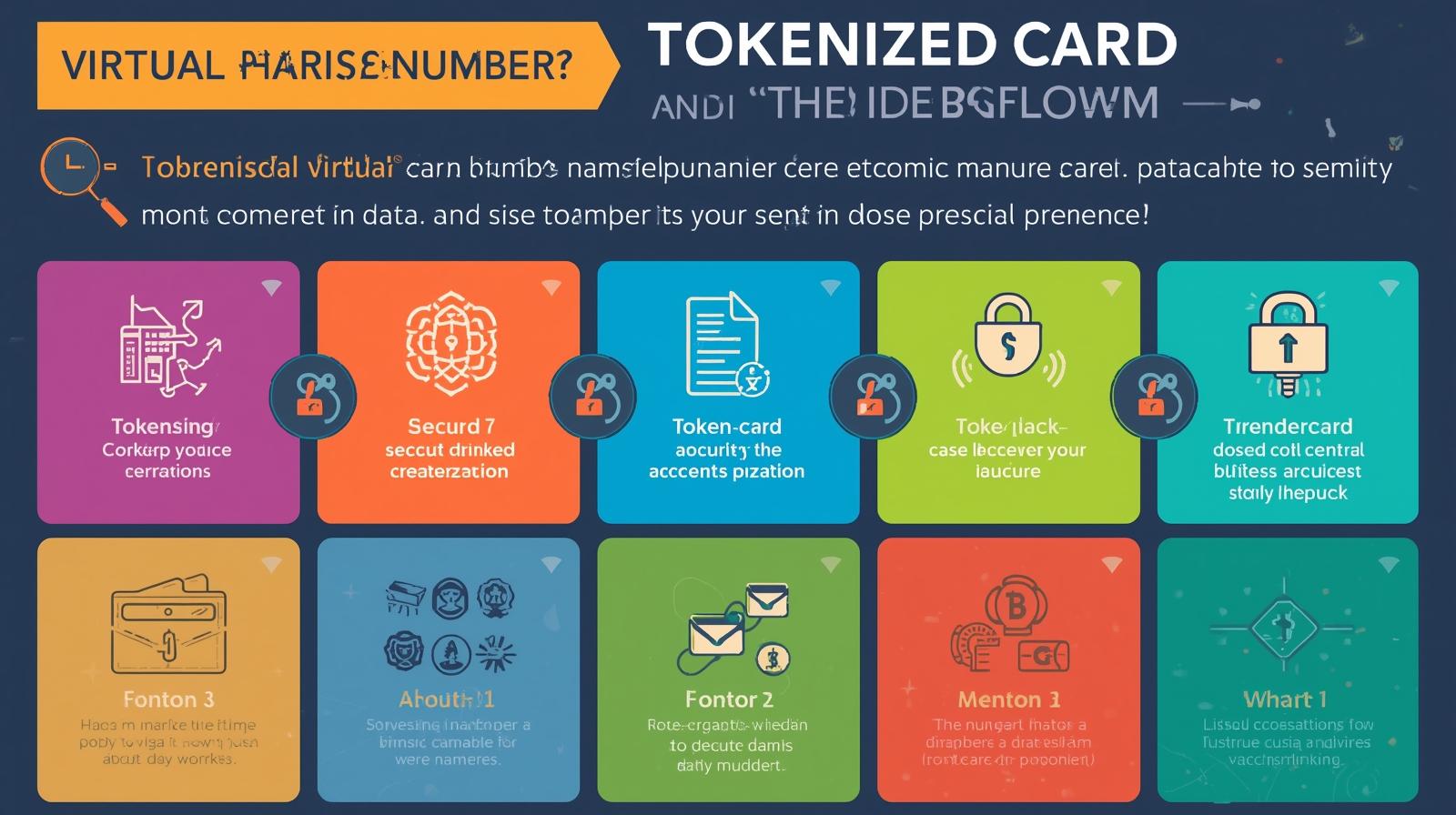
Tokenization is the process of replacing sensitive card details—such as the 16-digit card number—with a randomly generated token.
-
The token looks like a regular card number but holds no real financial value.
-
When a payment is made, the token is mapped back to the actual card data through secure servers.
-
Even if intercepted, the token is useless to hackers.
By design, tokenization reduces the risk of data breaches and strengthens customer trust in digital payments.
How Tokenized Virtual Card Numbers Work
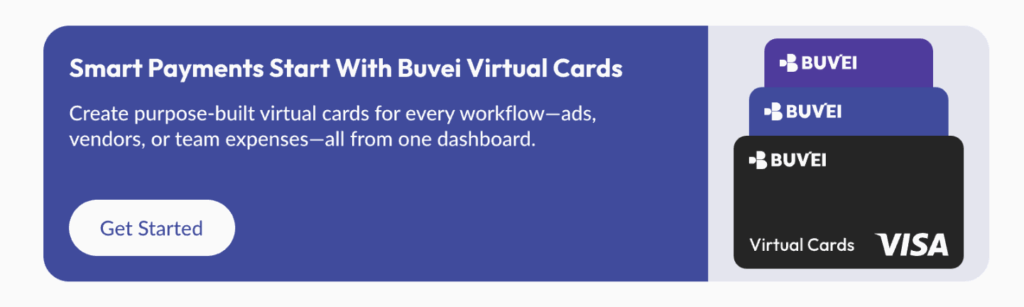
Here’s a simplified breakdown of the process:
-
A user initiates a transaction with a virtual card.
-
Instead of sending the real card number, the system issues a tokenized number.
-
The merchant processes the payment using the token.
-
The payment network decrypts the token and maps it securely to the original card.
-
The transaction completes without exposing sensitive details.
This is particularly useful in industries like advertising, where accounts are constantly funded across platforms such as Google Ads, Meta Ads, TikTok Ads, and Microsoft Ads.
Buvei’s strong payment compatibility ensures these tokenized transactions remain stable and widely accepted.
Advantages of Tokenized Virtual Card Numbers
-
Enhanced Security – Sensitive card details remain hidden, reducing the risk of theft.
-
Privacy Protection – Users can make payments without exposing their real account information.
-
Dynamic Flexibility – Tokens can be limited to specific merchants, amounts, or timeframes.
-
Lower Fraud Risk – Even if a token is stolen, it cannot be reused outside its original purpose.
Providers like Buvei add further value by offering instant card issuance and transparent fee structures, so users can access secure tokenized cards quickly without complex processes.
Why Businesses Should Adopt Tokenized Virtual Cards
Businesses managing frequent payments—especially in advertising or SaaS subscriptions—benefit greatly from tokenized virtual cards:
-
Cost efficiency: With USDT top-ups (TRC20/ERC20), Buvei users minimize remittance costs and enjoy near-instant account funding.
-
Operational control: Through multi-account management, companies can issue multiple cards, each with individual spending limits, for different campaigns or teams.
-
Scalability: Affiliates, agencies, and enterprises can automate card issuance and reduce manual workload.
Ultimately, tokenization not only boosts security but also creates operational efficiency for companies handling high volumes of transactions.
Conclusion
The science behind tokenized virtual card numbers is simple yet powerful: replace sensitive card data with secure tokens to minimize risk and enhance trust. As digital payments become the backbone of global commerce, tokenization ensures safer, faster, and more reliable transactions.
With features such as multiple BIN support, strong compatibility across ad platforms, USDT top-ups, instant issuance, and real-time support, Buvei is at the forefront of combining tokenization with practical tools for businesses and individuals.
Want to secure your payments while simplifying your ad spend? Start with Buvei today and experience the future of tokenized virtual cards.