Introduction
As sustainability becomes a global priority, consumers and businesses are rethinking everyday financial habits. One often-overlooked area is payment methods. Traditional plastic cards may seem small, but their production, transportation, and disposal have a measurable environmental impact.
In contrast, virtual cards offer a more eco-friendly alternative. This article explores the environmental benefits of virtual cards vs. plastic cards, explains why digital payments are more sustainable, and highlights how modern virtual card platforms fit into a greener future.
The Environmental Cost of Plastic Cards
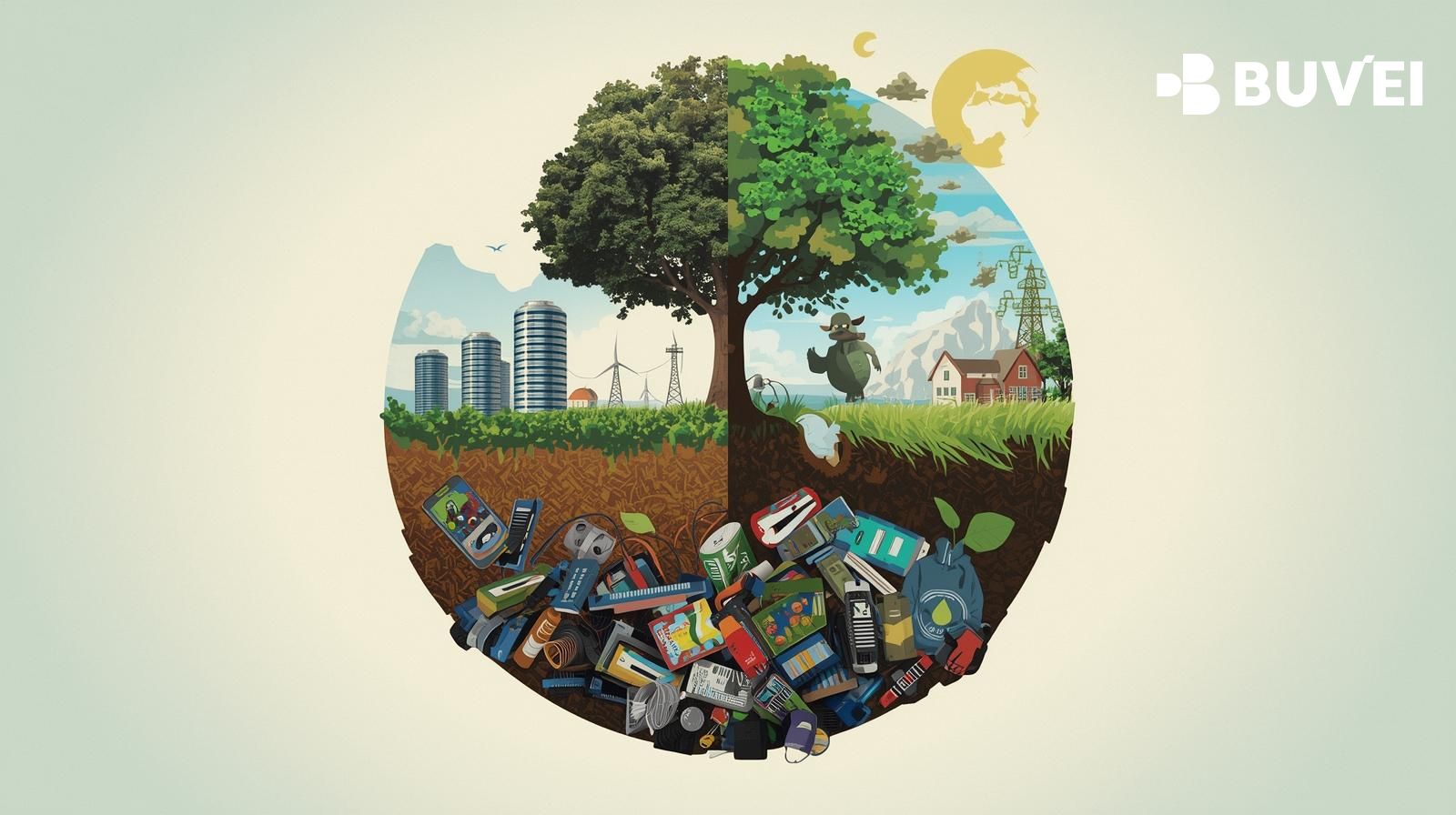
Plastic cards require physical resources at every stage of their lifecycle.
Raw Materials and Manufacturing
Most plastic cards are made from PVC, a petroleum-based material that:
-
Consumes fossil fuels
-
Produces carbon emissions during manufacturing
-
Is difficult to recycle
Billions of plastic cards are produced globally each year, adding to environmental strain.
Transportation and Distribution
Physical cards must be shipped from factories to banks and then to users worldwide, increasing:
-
Fuel consumption
-
Packaging waste
-
Carbon footprints
How Virtual Cards Reduce Environmental Impact
Virtual cards exist entirely in digital form, eliminating many of the issues associated with plastic cards.
1. Zero Plastic Waste
Because virtual cards have no physical form, they generate:
-
No plastic waste
-
No discarded expired cards
-
No landfill contribution
2. Lower Carbon Emissions
Without manufacturing or shipping, virtual cards significantly reduce:
-
CO₂ emissions
-
Energy consumption
-
Logistics-related pollution
3. Instant Digital Issuance
Virtual cards are issued instantly, removing the need for physical production and transportation altogether.
Sustainability Meets Practical Benefits
Beyond environmental advantages, virtual cards also offer strong usability.
1. Flexible Usage
Virtual cards can be used for:
-
Online payments
-
Subscriptions and SaaS tools
-
Advertising platforms
-
Daily digital purchases
2. Better Cost and Resource Efficiency
No physical materials means:
-
Lower operational costs
-
Reduced waste
-
Faster access for users
3. Improved Security
Virtual cards enhance privacy and security by preventing exposure of real bank details and complying with PCI DSS standards.
How Buvei Supports a Greener Payment Future
(Soft advertising – minimal and natural)
Platforms like Buvei demonstrate how virtual card solutions can align with sustainability goals while remaining highly practical.
Buvei offers:
-
Instant virtual card issuance, eliminating plastic production
-
Multiple BIN support (Visa/Mastercard) to ensure high payment success
-
Compatibility with ads platforms, SaaS tools, and daily online payments
-
USDT top-ups with low fees and fast arrival
-
Transparent fee structures with no hidden costs
-
Multi-card management, reducing the need for unnecessary physical cards
-
Strong security and privacy protection
-
Real-time customer support for efficient issue resolution
By operating fully online, Buvei helps users reduce their environmental footprint while maintaining payment flexibility.
Virtual Cards and Corporate Sustainability
For businesses, switching to virtual cards supports ESG (Environmental, Social, Governance) goals.
Benefits include:
-
Reduced plastic consumption
-
Less waste from expired or replaced cards
-
Streamlined expense management
-
Improved reporting and transparency
This makes virtual cards an attractive option for eco-conscious companies and teams.
Summary
The shift from plastic cards to virtual cards represents more than just convenience—it’s a meaningful step toward sustainability. Virtual cards eliminate plastic waste, reduce carbon emissions, and support a more efficient digital payment ecosystem.
With secure, flexible, and eco-friendly solutions available today, platforms like Buvei show how financial tools can support both business needs and environmental responsibility.