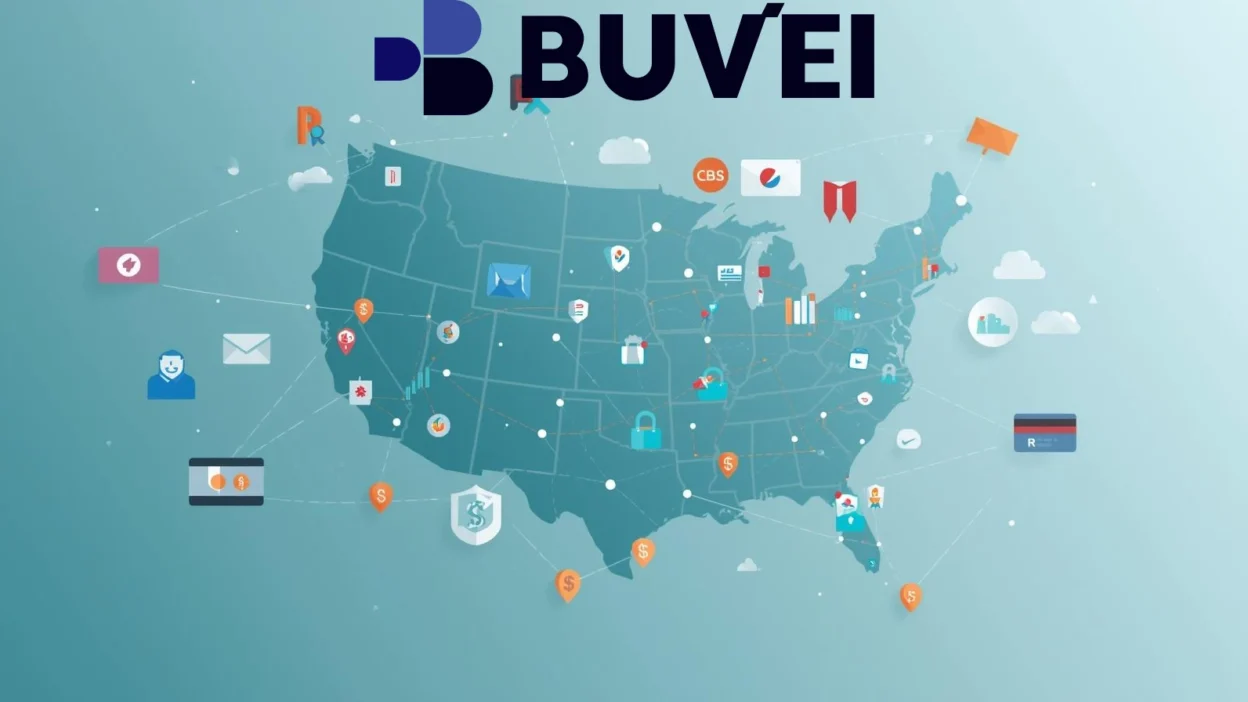
The digital payment landscape in the United States is a sophisticated machine made of several distinct parts. While they all result in the "electronic movement of money," the underlying mechanisms—the rails—differ significantly based on whether you are buying a coffee, paying a friend for dinner, or financing a new laptop.
Here is a breakdown of how these five pillars of the U.S. payment ecosystem function and why they dominate the market in 2026.
 Mobile Wallets: The "Tokenized" Tap
Mobile wallets like Apple Pay and Google Pay have largely replaced the "physical swipe." Their success is built on a technology called Tokenization.
-
-
How it works: When you tap your phone, the wallet does not transmit your 16-digit card number. Instead, it sends a one-time "token" (a random string of numbers) that only the bank can decrypt.
-
The Benefit: Even if a merchant's database is hacked, your actual card details remain untouched because they were never on the merchant's system in the first place.
-
Peer-to-Peer (P2P): The Social Rail
P2P payments have moved from "apps" to "verbs" (e.g., "I'll Venmo you"). The market is currently split into two technical categories:
-
Bank-Integrated (Zelle): Operates on the ACH (Automated Clearing House) or RTP (Real-Time Payments) networks. Money moves directly from Bank A to Bank B, making it the preferred choice for those who want funds to land in their checking account immediately.
-
Digital Ledgers (Venmo/Cash App): These act as "closed-loop" systems. When you send money, it often just moves between accounts within the app's internal ledger. It only hits the traditional banking system when you "cash out."
Card Networks: The Universal Foundation
Despite the hype around new apps, Visa and Mastercard remain the backbone of U.S. commerce. Most other digital payments are simply "wrappers" around these card rails.
-
Credit vs. Debit: In the U.S., credit cards offer consumer protections (Fair Credit Billing Act) that P2P apps often lack. This makes cards the dominant choice for high-value purchases or transactions with unfamiliar sellers.
-
The "Invisible" Card: Most people now use "card-on-file" transactions for Netflix, Amazon, and Uber, where the physical card is never seen, yet the transaction relies on the same processing network developed decades ago.
Online Intermediaries: The Trust Layer
Platforms like PayPal serve as a "firewall" for your financial life. They are particularly vital in the global gig economy and cross-border e-commerce.
-
Privacy: By using an intermediary, you only provide your sensitive data to one entity (PayPal) rather than a hundred different online stores.
-
Dispute Resolution: These platforms provide a layer of arbitration. If an item doesn't arrive, the platform can freeze the funds, providing a level of security that direct bank transfers (P2P) typically don't offer.
 Buy Now, Pay Later (BNPL): The Credit Evolution
BNPL is the modern version of "layaway," but with a digital twist. Providers like Klarna and Affirm have integrated directly into the checkout flow of almost every major U.S. retailer.
-
Shift in Behavior: BNPL is often interest-free if paid in four installments ("Pay-in-4"). This has made it highly popular among Gen Z and Millennial users who are traditionally more debt-averse toward high-interest credit cards.
- Merchant Utility: Retailers pay a higher fee to BNPL providers than they do to credit card companies (typically 3%–6% vs. 1.5%–2%) because BNPL is proven to increase "average order value."