In the digital economy, keeping personal and business expenses clearly separated is no longer just good practice—it is essential for financial management, compliance, and growth. Many entrepreneurs, freelancers, and small business owners struggle to manage transactions effectively when both personal and corporate purchases flow through the same payment channels. The rise of virtual cards provides a practical solution by allowing users to create unique card numbers for different spending categories.
This article explores why separating expenses is crucial, how virtual cards work, the key benefits of adopting them, and strategies for implementation. We will also introduce Buvei, a trusted virtual card platform designed to simplify financial management for both individuals and businesses.
Why Separate Personal and Business Purchases?
Mixing personal and business expenses can create significant challenges:
-
Tax reporting issues – Blurred expense records complicate deductions and expose companies to compliance risks.
-
Budget inefficiency – Without clear separation, businesses cannot accurately track spending or optimize cash flow.
-
Liability risks – If a business faces legal or financial scrutiny, personal assets may be exposed if expenses are intertwined.
-
Professional credibility – Investors, auditors, and partners expect clear, transparent accounting practices.
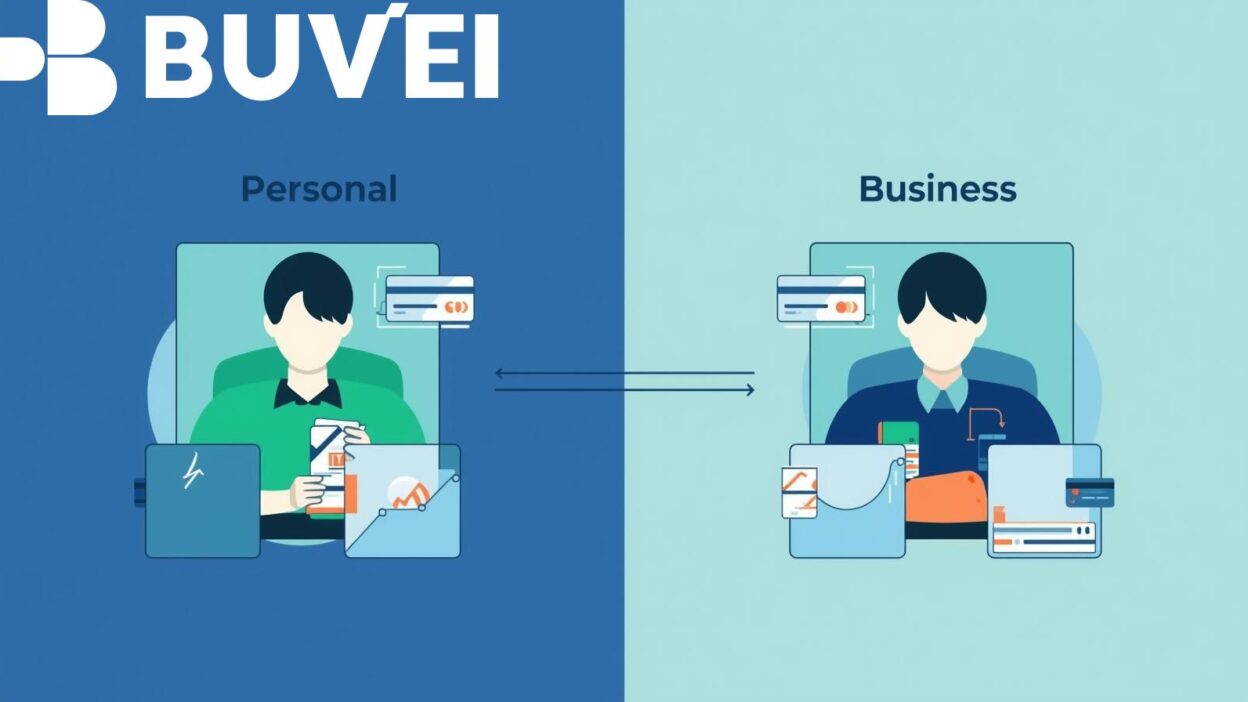
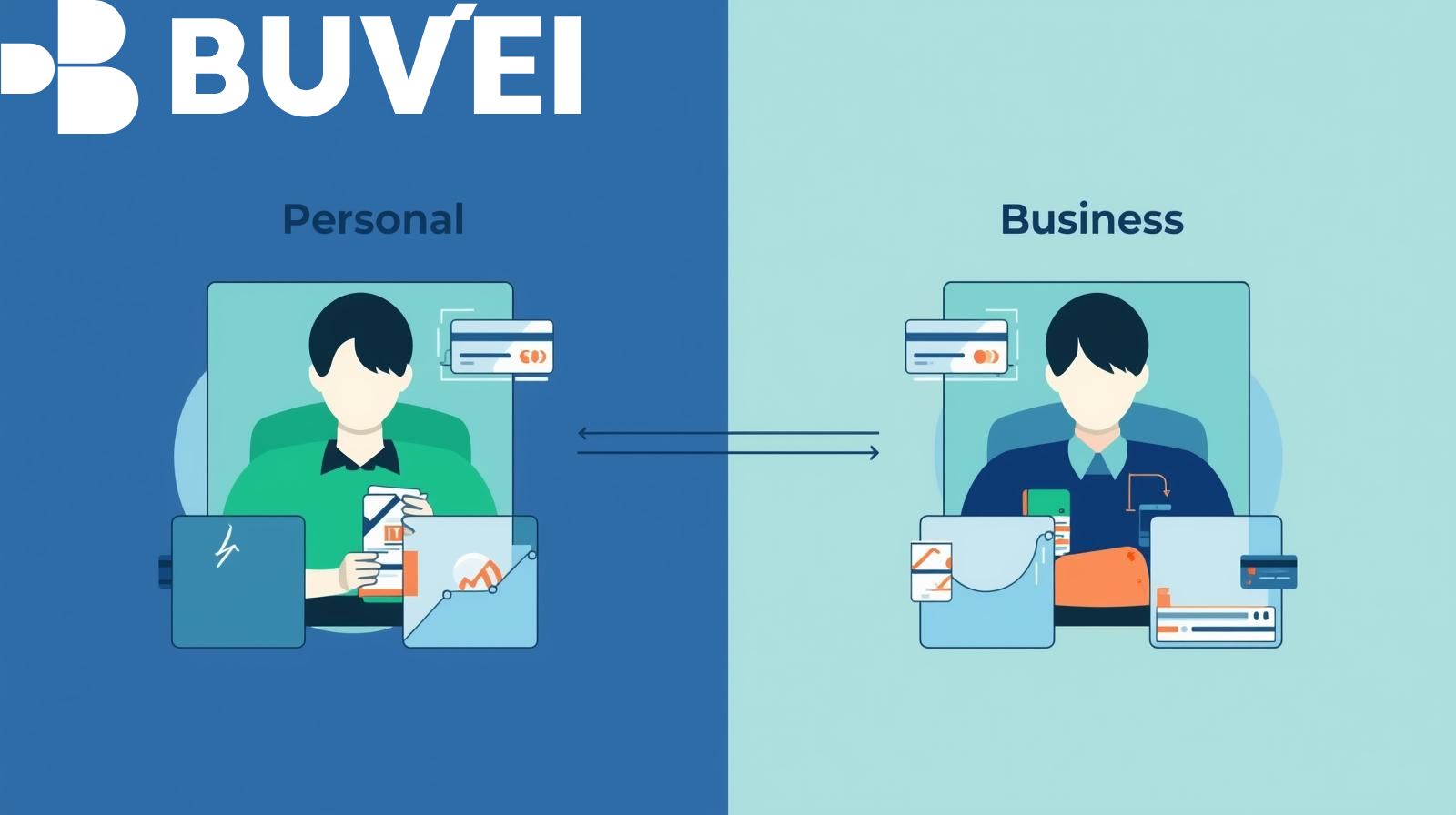
By using virtual cards, businesses can create clear lines between personal and company-related transactions, reducing administrative complexity.
How Virtual Cards Work for Expense Separation
A virtual card functions like a regular debit or credit card but exists only in digital form. It is issued instantly, linked to a funding source, and comes with customizable controls. Here’s how they help separate expenses:
-
Dedicated cards for categories – One card for personal purchases, another for business subscriptions, and another for marketing spend.
-
Instant issuance and cancellation – Cards can be created or deactivated instantly, ensuring flexibility.
-
Spending limits and controls – Businesses can cap budgets, set merchant restrictions, or assign cards to specific employees.
-
Transaction records by card – Each card maintains its own transaction log, making reconciliation straightforward.
Platforms like Buvei specialize in offering these features, enabling entrepreneurs and enterprises to streamline their payment structures securely.
Key Benefits of Using Virtual Cards
Adopting virtual cards for expense management provides four main advantages:
a) Simplified Accounting
With separate cards for business and personal use, bookkeeping becomes effortless. Finance teams or individuals can generate clean reports without manually sorting through mixed transactions.
b) Enhanced Security
Virtual cards come with unique numbers and expiration dates, reducing fraud risks. If one card is compromised, it can be canceled without affecting others.
c) Improved Compliance and Audit Readiness
Tax filings and audits require transparent financial data. Virtual cards eliminate gray areas, ensuring all business expenses are properly documented and categorized.
d) Scalability for Business Growth
As businesses expand, virtual cards make it easy to allocate specific cards for teams, projects, or departments. This provides granular visibility and control over spending.
Strategies for Effective Implementation
To maximize the benefits of virtual cards, businesses should adopt structured strategies:
-
Define spending categories – Create dedicated virtual cards for office supplies, software subscriptions, travel, and personal use.
-
Establish approval workflows – Assign cards to employees with spending caps to avoid overspending.
-
Integrate with accounting software – Sync virtual card transactions with QuickBooks, Xero, or other platforms.
-
Use a trusted provider – Platforms like Buvei offer secure, flexible, and scalable solutions tailored for businesses managing both domestic and international purchases.
With the right strategy, virtual cards not only separate personal and business spending but also streamline financial oversight.

Conclusion
Separating personal and business purchases is fundamental for financial clarity, compliance, and scalability. Traditional methods like multiple physical cards or manual record-keeping are cumbersome and prone to errors. By adopting virtual cards, businesses gain transparency, control, and security.
Whether you are a freelancer managing client invoices, a small business scaling expenses, or an enterprise needing department-level control, solutions like Buvei provide the tools to make expense separation seamless and efficient. Virtual cards are more than a payment method—they are a modern financial management strategy.