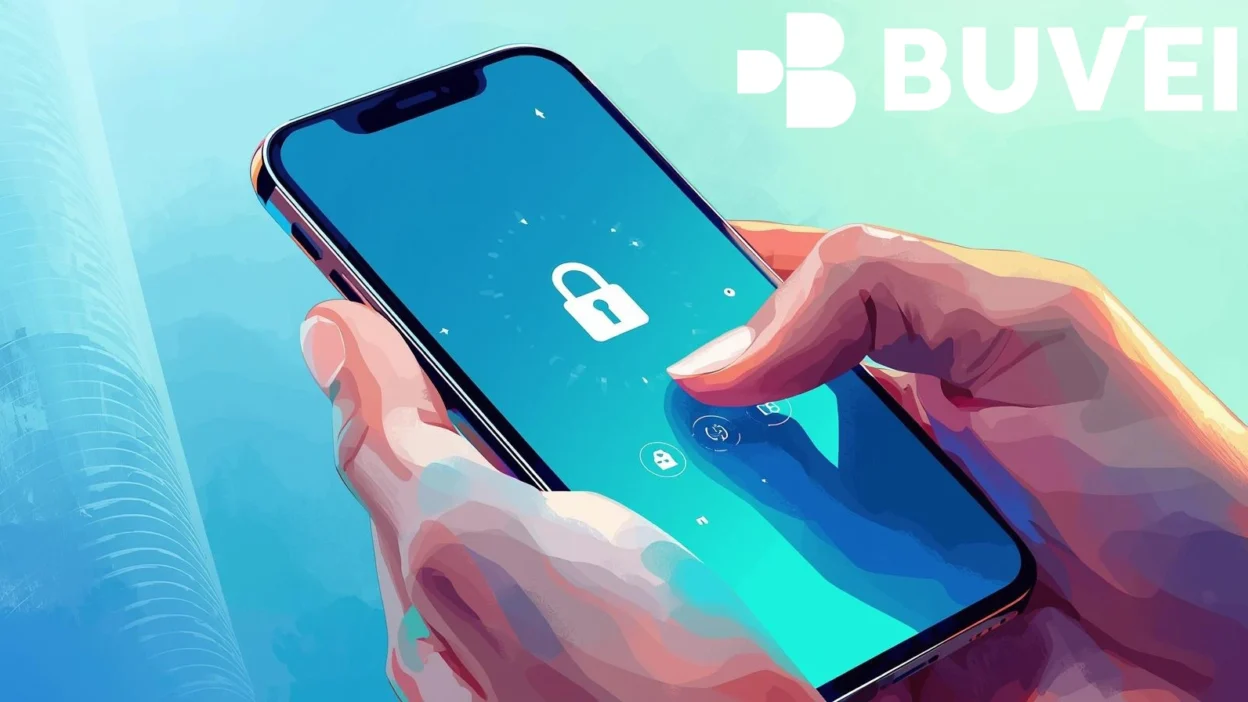
Online payments are faster than ever, but they also come with increasing risks — from data leaks to unwanted subscription charges. This is where a one-time use virtual card becomes a practical solution for secure transactions.
A single-use virtual card allows you to complete a payment without exposing your primary financial details. Once used, the card becomes invalid or can no longer be charged, making it ideal for controlled and secure online payments.
What Is a One-Time Use Virtual Card
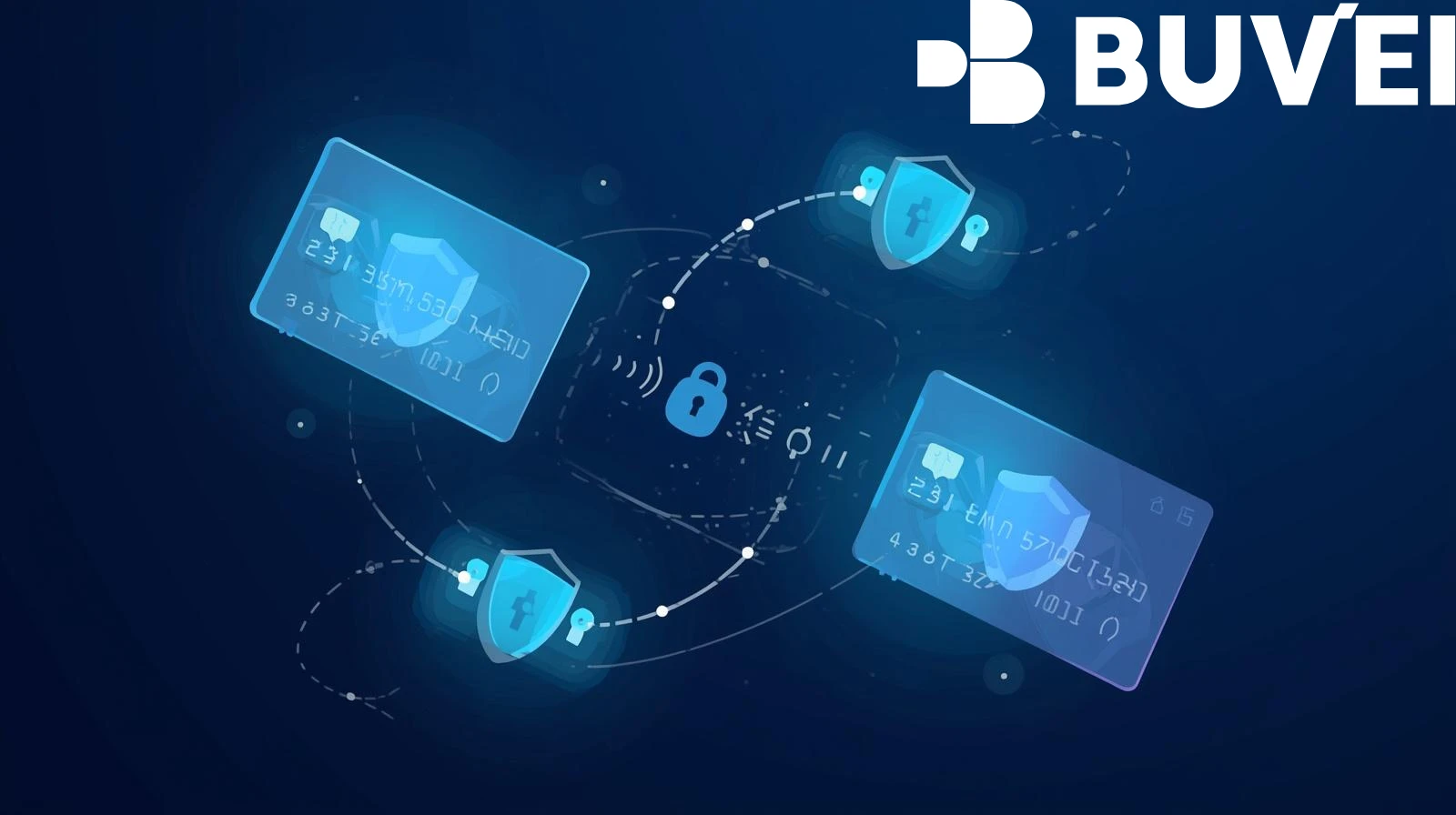
A one-time use virtual card is a digital payment card created for a single transaction or limited use. Unlike traditional cards, it is not intended for repeated payments.
Key features include:
-
Unique card number per transaction
-
Predefined spending limit
-
Short validity period or one-time use
-
No direct exposure of your main account
These cards operate on standard payment networks like Visa or Mastercard, meaning they can be used across most online platforms.
How Single-Use Cards Protect Online Transactions
Security is the main reason users choose single-use virtual cards.
Limited Exposure
Even if the card details are compromised, they cannot be reused.
Spending Control
You can load only the exact amount required for a purchase.
Protection from Recurring Charges
Merchants cannot charge the card again after the initial transaction.
Account Isolation
Your primary wallet or bank account remains protected.
This makes single-use cards especially useful when dealing with unknown or high-risk merchants.
When to Use Temporary or Single-Use Cards
Not every transaction requires a disposable card, but certain situations benefit greatly from them.
New or Untrusted Websites
Reduce risk when shopping from unfamiliar stores.
Free Trials
Avoid automatic billing after trial periods end.
One-Time Purchases
Ensure no additional charges occur after checkout.
SaaS Subscriptions
Test services without exposing long-term payment methods.
Digital Services and Ads
Control spending for campaigns or tools.
Using single-use cards strategically helps maintain both security and financial discipline.
Common Scenarios: Subscriptions, Trials, and Online Shopping
One-time virtual cards are widely used across different payment scenarios.
Subscriptions
Assign a dedicated card to each service to control billing.
Free Trials
Use limited-balance cards to prevent unwanted renewals.
Online Shopping
Protect your main card when making purchases on e-commerce sites.
SaaS Tools
Manage payments for tools like design, productivity, or AI platforms.
Advertising Spend
Allocate budgets for specific campaigns or platforms.
These use cases highlight the flexibility of disposable virtual cards.
Using Buvei Virtual Cards for Controlled Payments
For users who want both flexibility and control, Buvei provides tools to create and manage virtual cards tailored to different scenarios.
Flexible Card Creation
Generate cards for one-time or limited-use payments.
Precise Spending Limits
Set exact balances for each card to control expenses.
Multi-Card Management
Create multiple cards for different merchants or use cases.
Stablecoin Funding
Use USDT (TRC20/ERC20) for fast and efficient deposits.
Real-Time Monitoring
Track all transactions through a centralized dashboard.
Final Thoughts
A one-time use virtual card is one of the most effective tools for improving online payment security. By limiting exposure, controlling spending, and preventing unauthorized charges, single-use cards offer a simple yet powerful solution.
As digital payments continue to evolve, more users are adopting virtual cards for safer and more flexible transactions. Platforms such as Buvei make it easy to implement this approach, giving users full control over their payments while reducing risk.