Introduction
In the digital payments world, security is critical. Virtual cards are widely used for online shopping, SaaS subscriptions, and advertising payments. Behind the scenes, two key technologies ensure safety: secure elements (SE) and software tokenization.
Both methods protect sensitive cardholder information but differ in design, cost, and flexibility. Understanding their differences helps businesses choose the right solution for their needs—and providers like Buvei make these technologies accessible while offering reliable payment solutions.
What Are Secure Elements (SE)?
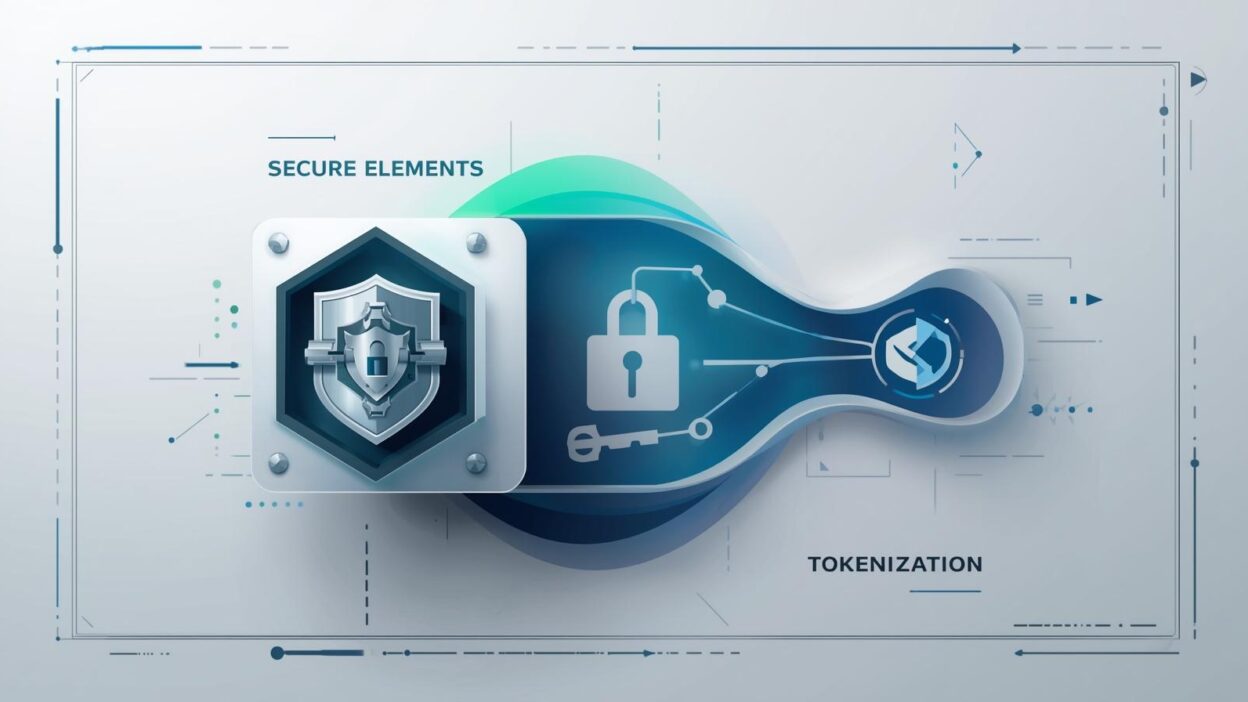
A secure element is a tamper-resistant hardware chip that stores sensitive payment credentials. You’ll find SEs in devices like SIM cards, passports, and payment cards.
-
Advantages:
-
Strong hardware-based security
-
Resistant to physical attacks
-
Proven reliability for banking-grade transactions
-
-
Limitations:
-
Higher cost to implement
-
Limited scalability for cloud-based services
-
Less flexible than software solutions
-
👉 In short, SE is like a vault built into hardware—strong but less adaptable.
What Is Software Tokenization?
Software tokenization replaces sensitive card details with a randomly generated token. Instead of storing the actual number, systems store a tokenized ID, which is useless if intercepted.
-
Advantages:
-
Flexible and cost-effective
-
Easy to deploy across platforms
-
Scalable for SaaS tools and digital ads
-
-
Limitations:
-
Relies on software, making it more vulnerable to attacks than hardware SE
-
Security depends on encryption strength and system design
-
👉 Tokenization works like a mask—hiding the real number while keeping payments functional.
Key Differences Between SE and Tokenization
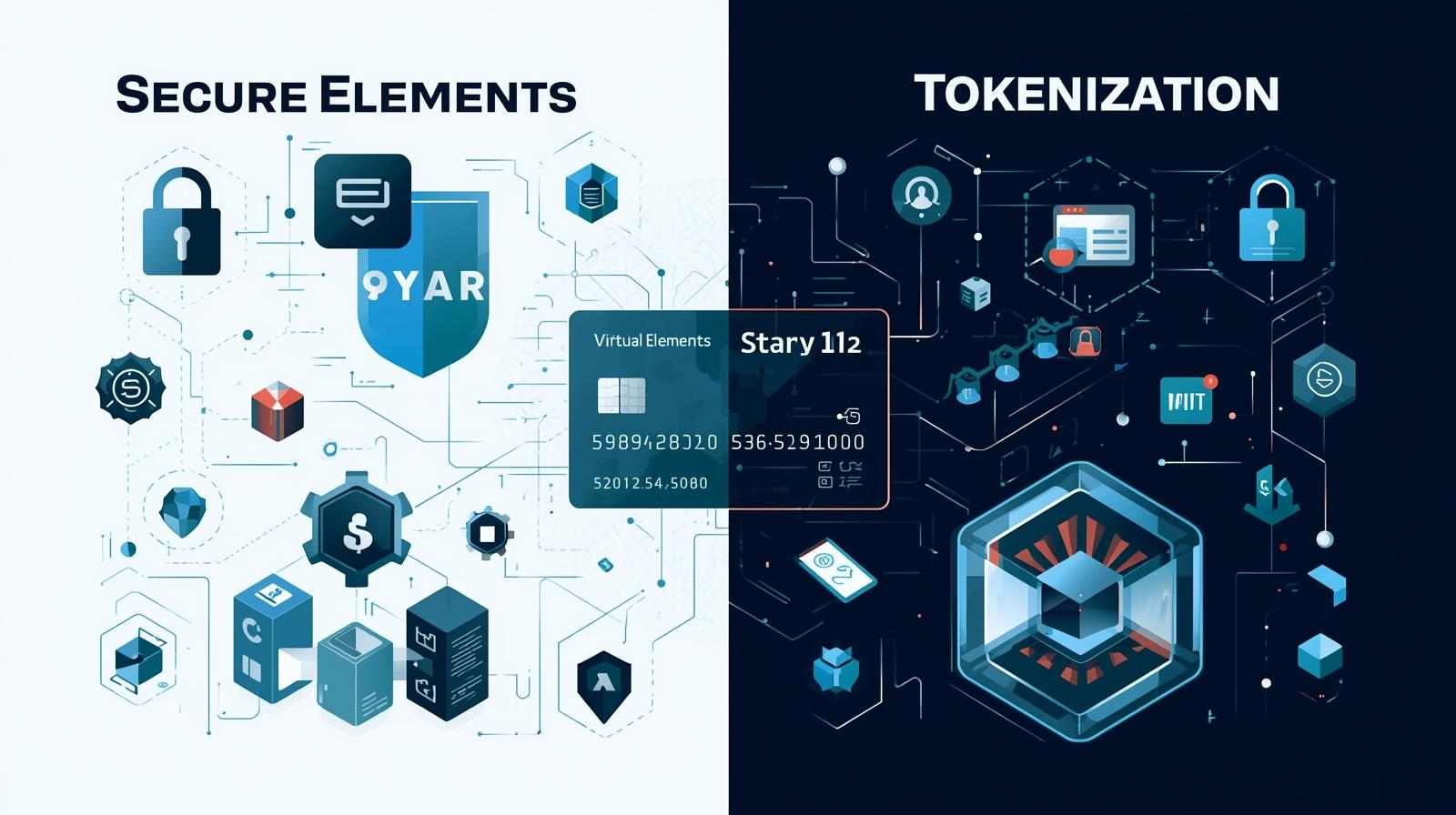
| Feature | Secure Element (SE) | Software Tokenization |
|---|---|---|
| Security Level | Hardware-based, very strong | Software-based, strong but depends on implementation |
| Cost | Higher | Lower |
| Scalability | Limited | Highly scalable |
| Flexibility | Low | High |
| Use Case | Banking, passports, SIM cards | SaaS, advertising, subscriptions |
👉 Both technologies are effective, but tokenization is better suited for cloud payments and online businesses, while SE is more common in physical devices.
How Buvei Combines Security & Usability
Providers like Buvei integrate advanced security technologies to ensure safe, seamless virtual card usage. Beyond tokenization, Buvei offers multiple advantages for merchants and individuals:
-
Multiple BIN Support – Boosts payment success rates across Visa/Mastercard worldwide.
-
Strong Payment Compatibility – Works reliably with Google Ads, Meta Ads, TikTok Ads, Microsoft Ads, and SaaS subscriptions like ChatGPT, Canva, and Notion.
-
USDT Top-up – Enables fast, low-cost funding via TRC20/ERC20.
-
Instant Card Issuance – No complex KYC; cards are ready to use in minutes.
-
Transparent Fees – No hidden charges; full visibility in the dashboard.
-
Security & Privacy – PCI DSS compliant, avoiding exposure of real bank accounts.
-
Multi-Account Management – Batch card creation for teams, reducing manual tasks.
-
Real-Time Support – 24/7 service with dedicated account managers available.
👉 This balance of security, flexibility, and efficiency makes Buvei a powerful solution for businesses looking to protect payments without overspending.
Summary
Both secure elements and software tokenization are critical to modern payment security:
-
Secure elements provide hardware-level safety for sensitive data.
-
Tokenization offers scalable, cost-effective protection in digital payments.
-
Together, they form the backbone of virtual card security.
-
Buvei enhances these methods with multiple BINs, instant issuance, and transparent cost control.
Ready to safeguard your online payments while keeping costs low?
👉 Create your Buvei virtual card today and enjoy strong security, global compatibility, and instant access.