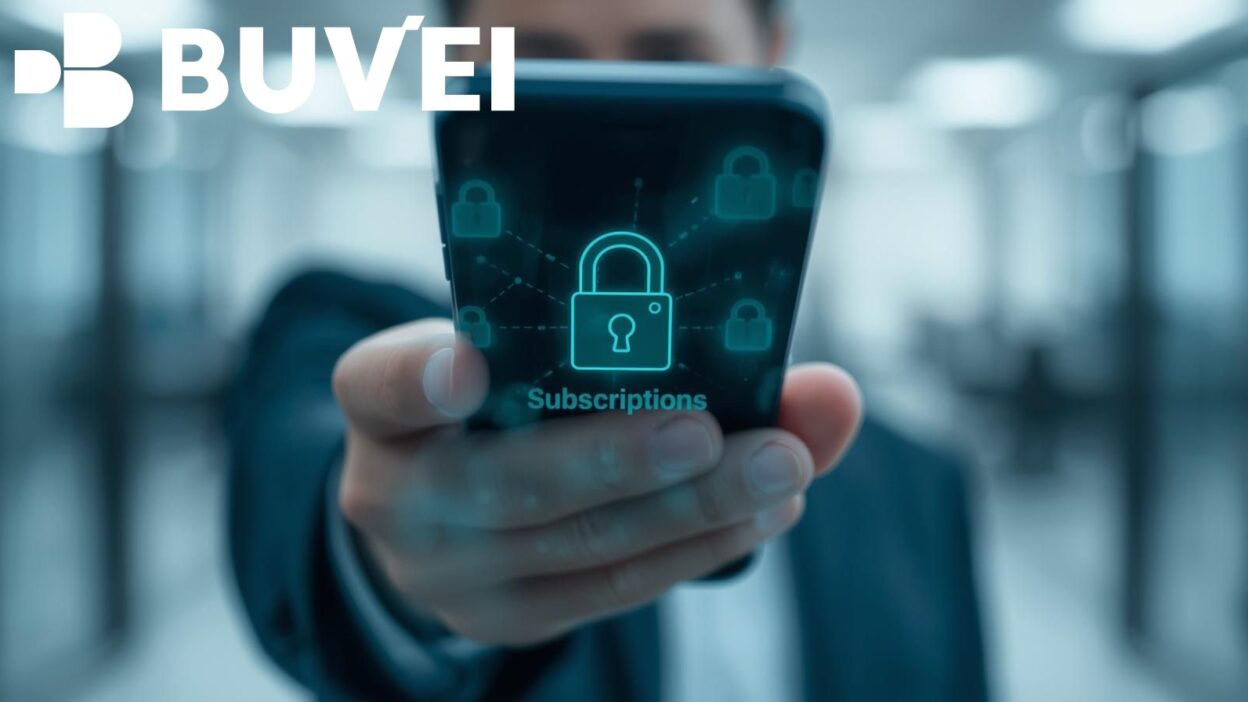
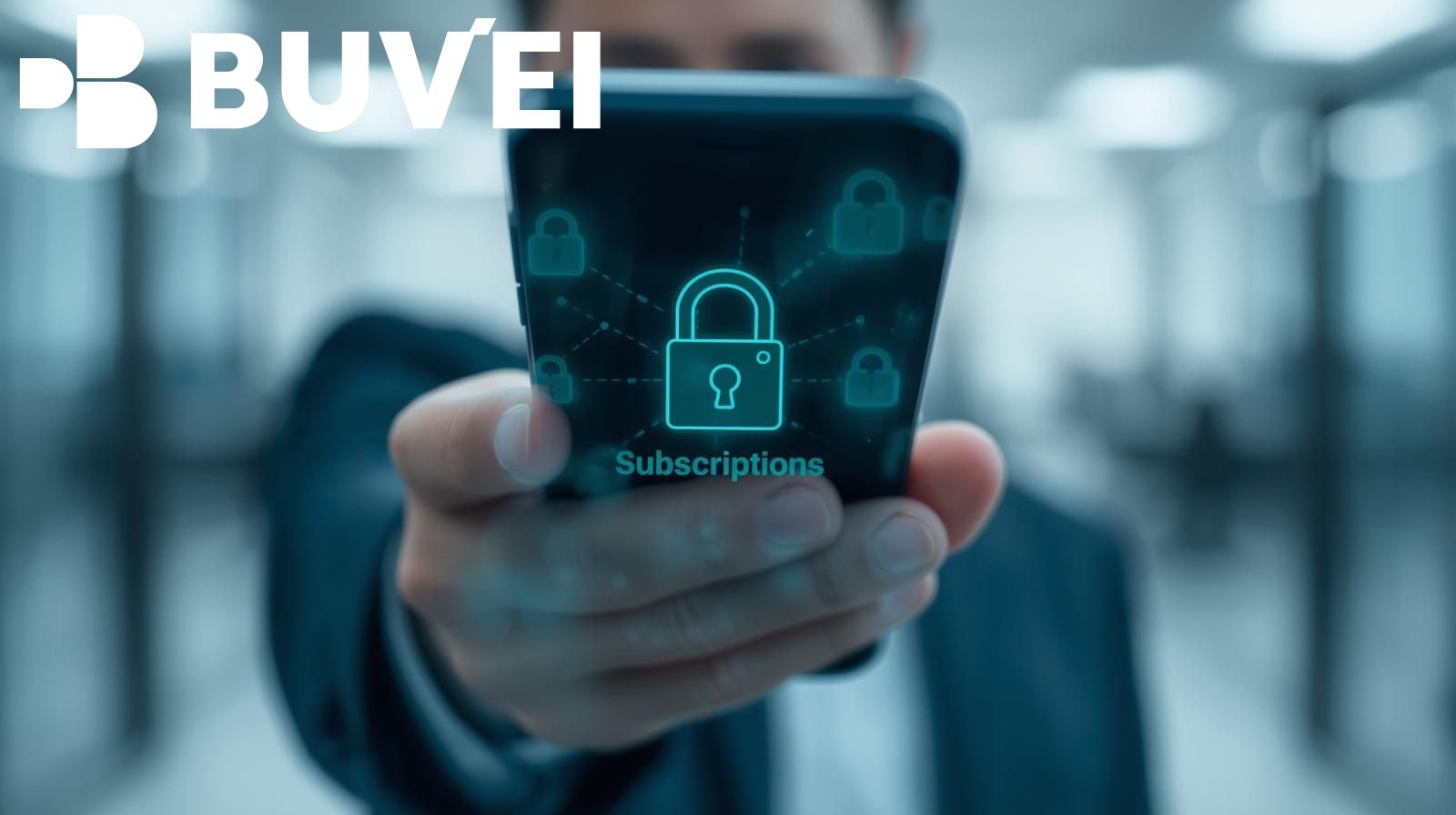
In today’s digital economy, subscription services—from streaming platforms to software-as-a-service (SaaS) tools—have become an integral part of everyday life. However, these services also pose a significant risk: data breaches. When hackers compromise a platform, sensitive financial and personal information can be exposed, leaving users vulnerable to fraud and identity theft.
One effective solution gaining traction is the use of virtual cards. These digital payment tools allow users to make secure transactions without revealing their actual bank account or credit card details. In this article, we explore how virtual cards can mitigate the risk of data breaches from subscription services, along with practical strategies and policy insights to enhance security.
How Virtual Cards Work
Virtual cards are temporary or single-use card numbers linked to a real credit or debit account. Unlike traditional cards, they allow users to:
-
Limit exposure: Each virtual card can be restricted to a specific merchant, subscription amount, or time frame.
-
Control spending: Users can set spending limits, preventing overcharges or fraudulent activity.
-
Easily cancel or regenerate: If a subscription service is compromised, the virtual card can be instantly disabled without affecting the primary account.
By decoupling your actual financial details from online services, virtual cards serve as a first line of defense against data breaches.
Reducing Risk in Subscription Services
Subscription services are prime targets for cybercriminals due to recurring payments and stored card information. Using virtual cards reduces risk in several ways:
-
Containment of breach impact: If a service is hacked, only the virtual card number is exposed, leaving your main account safe.
-
Minimized recurring fraud: Virtual cards can be set for single or limited use, preventing unauthorized charges in case of data leaks.
-
Transparency and monitoring: Platforms like Buvei allow users to track transactions in real-time, quickly identifying suspicious activity.
Moreover, virtual cards align with growing regulatory expectations, such as the Payment Card Industry Data Security Standard (PCI DSS), which emphasizes reducing stored payment data to minimize breach liability.
Policy and Compliance Considerations
Adopting virtual cards isn’t just a technical choice—it’s also a policy-compliant strategy:
-
Regulatory alignment: Financial institutions increasingly recommend virtual cards for recurring payments to comply with data privacy regulations, including GDPR in Europe and CCPA in California.
-
Corporate expense management: Businesses using subscription services can implement virtual cards to simplify expense tracking and reduce risk exposure.
-
Enhanced auditability: Each virtual card transaction is logged independently, making compliance reporting more straightforward.
By integrating virtual cards into both personal and corporate payment practices, users can mitigate risks while adhering to financial and privacy regulations.
Choosing the Right Virtual Card Provider
Not all virtual cards offer the same level of protection. Key factors to consider include:
-
Merchant compatibility: Ensure the card works seamlessly with all subscription services you use.
-
Customizable controls: Look for features such as spending limits, expiration dates, and single-use options.
-
Policy support: Providers like Buvei emphasize compliance with global security standards, offering tools for businesses and individuals to maintain regulatory alignment.
A robust virtual card solution can transform the way you manage recurring payments, combining convenience with security.

Conclusion
Virtual cards offer a practical, policy-compliant solution to protect personal and financial information from subscription service data breaches. By isolating your main accounts, limiting exposure, and enabling real-time monitoring, they mitigate the risks associated with recurring online payments.
Platforms like Buvei simplify the adoption of virtual cards, providing secure, flexible, and compliant options for both personal and business users. As subscription services continue to expand, integrating virtual cards into your payment strategy is not just smart—it’s essential for safeguarding your digital financial footprint.