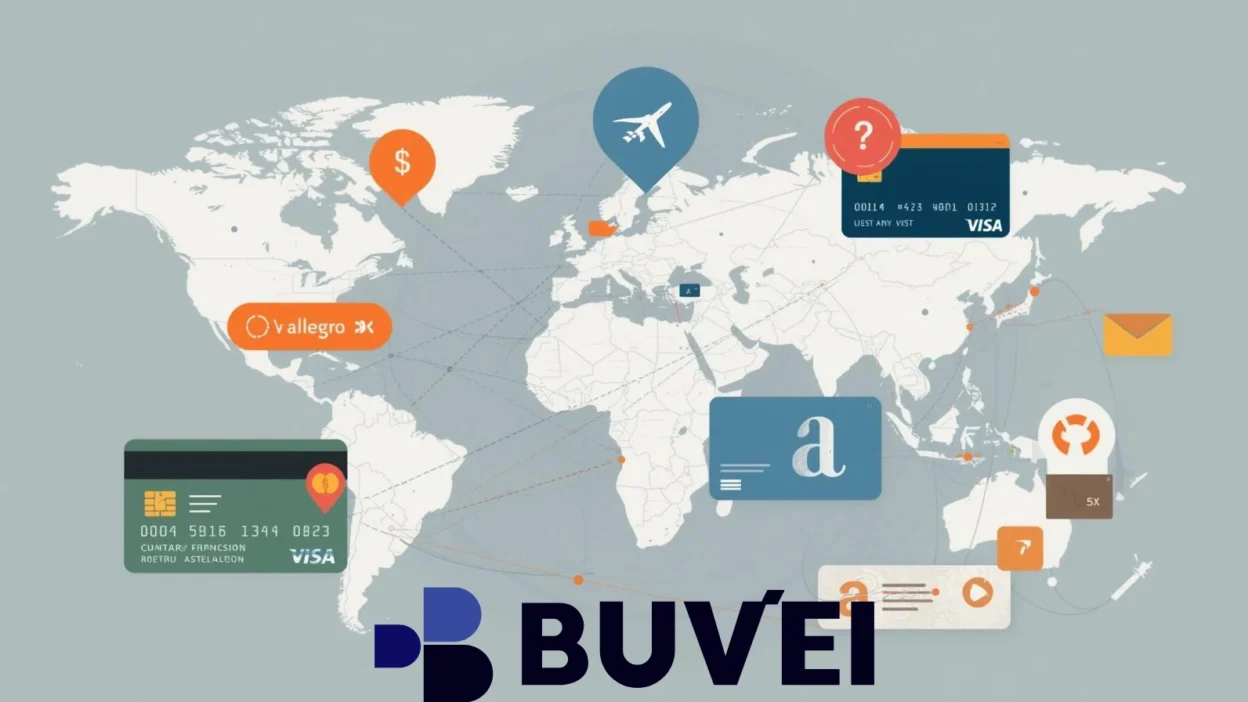
In 2026, Poland has solidified its position as Central and Eastern Europe’s (CEE) primary engine for fintech innovation. While the Polish market has historically been dominated by highly efficient local solutions like BLIK, the requirements of the global digital economy have created a new necessity: the Virtualized Payment Layer. As Allegro continues to expand its footprint and Polish consumers increasingly source products and services from the United States and Asia, the demand for payment methods that combine Polish efficiency with international "BIN Authority" has reached an all-time high. This whitepaper analyzes the Polish online payment landscape and explains why Buvei virtual cards have become the indispensable bridge for secure, cross-border commerce.
 Online Payment Landscape in Poland
Poland’s payment ecosystem in 2026 is defined by the "Speed-Security Hybrid". Polish users expect instantaneous settlement but are deeply cautious regarding the storage of their permanent financial data on foreign servers.
The Hegemony of BLIK and Instant Transfers
The primary success story of Polish fintech is BLIK. By 2026, BLIK has evolved from a simple mobile code into a comprehensive digital identity and payment standard.
-
The Convenience Benchmark: Polish consumers are accustomed to 10-second checkouts without entering card details. This has created a psychological barrier against traditional, static physical cards.
-
The Gap in Global Utility: While BLIK is ubiquitous in Poland, it remains a domestic scheme. When a Polish entrepreneur or consumer attempts to pay for a US-based SaaS subscription, a specialized AI tool, or a US-exclusive retailer, BLIK is no longer an option, creating a critical "Interoperability Gap."
The Regulatory Rigor of the KNF
The Polish Financial Supervision Authority (KNF) maintains some of the strictest oversight in the European Union.
-
SCA and PSD3 Compliance: In 2026, every transaction in Poland must pass through the most advanced Strong Customer Authentication (SCA) protocols. Virtual cards provided by Buvei are engineered to meet these 3D Secure 2.2 standards, ensuring they are not flagged by Polish banking risk engines.
Popular Platforms: Allegro and Local Marketplaces
Poland’s e-commerce sector is unique because of the continued dominance of local giants over global competitors.
Allegro: The National Champion
Allegro is more than just a marketplace; it is the fundamental infrastructure for Polish commerce.
-
The Allegro Pay Ecosystem: While Allegro Pay offers internal financing, many high-volume buyers and corporate procurement teams require external virtual cards to maintain Transactional Isolation.
-
The Protection Program: Allegro’s "Buyer Protection Program" is world-class, but it relies on valid payment data. Using a high-authority virtual card ensures that refunds and disputes are handled through a clean, digital ledger rather than a cluttered primary bank statement.
Niche Marketplaces: OLX, Vinted, and InPost Integration
The rise of P2P (Peer-to-Peer) marketplaces like OLX and Vinted has created a new need for "Escrow-ready" payment methods.
-
Safety from Phishing: Phishing remains a significant threat in P2P commerce. Using a Single-Use Virtual Card for an OLX purchase ensures that even if a link is malicious, the attacker only gains access to a "burned" token with a $0 balance.
Why Virtual Cards Are Useful for Polish Users
Virtual cards solve the "Currency and Security Friction" that occurs when the Polish Złoty (PLN) meets the global dollar/euro economy.
Eliminating High FX Spreads
Traditional Polish banks often charge a "Hidden Spread" of 3% to 5% when converting PLN to USD or EUR for online purchases.
-
The Buvei Advantage: By using a virtual card platform that offers institutional-grade exchange rates, Polish users can load their cards with Stablecoins or SEPA-transferred EUR and pay in USD without the "Double-Conversion" tax.
Bypassing AVS and "Geo-Blocking"
Many US-based retailers (like BestBuy, Newegg, or specialized tech vendors) utilize the Address Verification System (AVS).
-
The Technical Friction: Polish bank cards do not support the US Zip Code format. A Polish user attempting to buy hardware in the US will be auto-declined.
-
The Solution: Buvei allows Polish users to attach a Verifiable US Billing Address to their card, making them appear as a local US buyer and bypassing the "Region Block" that typically stops international orders.
Use Cases: E-commerce, Subscriptions, Cross-Border Payments
In 2026, the utility of the virtual card in Poland spans three primary strategic areas.
Scaling Polish "Dropshipping" and Export
Poland has become a hub for e-commerce entrepreneurs who sell globally.
-
Account Health for Ad Spend: Polish agencies managing Meta and Google Ads for international clients use Buvei’s Commercial Credit BINs. This prevents the "Suspicious Activity" flags that occur when using local Polish consumer debit cards on global ad networks.
Managing the "Subscription Surge"
From Netflix and Disney+ to professional tools like Canva or ChatGPT Plus, the average Pole manages 10+ subscriptions.
-
The "Kill-Switch" Protocol: Instead of navigating the "dark patterns" of cancellation pages, Polish users can simply Freeze or Delete the specific Buvei card tied to a service. This ensures the billing stops immediately at the network level.
Cross-Border Procurement for Polish IT
The Polish IT sector is a global powerhouse. Developers often need to pay for cloud infrastructure (GCP, AWS) or API access (OpenAI).
-
Budget Isolation: Virtual cards allow Polish dev teams to isolate project budgets, ensuring that a "runaway API script" on one project doesn't drain the company's entire treasury.
Using Buvei Virtual Cards for Poland Payments
Buvei has established itself as the 2026 market leader for the Polish "Power User" by focusing on the intersection of API-driven control and High-Trust BINs.
Technical Integration with Polish Rails
Buvei supports SEPA Instant, allowing Polish users to fund their cards from their local PLN accounts (converted to EUR) in seconds. This ensures that capital is available exactly when a flash sale occurs on Allegro or a global site.
High-Authority US BINs for Polish Agencies
Polish marketing agencies rely on Buvei for BIN Reputation Management.
-
Why this matters: A "Polish-issued" card is often treated with higher risk by US-based fraud engines. Buvei provides Polish users with Premium US-issued BINs, granting them the same "Financial Credibility" as a US-based enterprise.
-
Real-Time Webhooks: Every time Allegro or a global merchant pings a Buvei card, the user receives an instant notification. This transparency allows Polish users to monitor their digital spend with unparalleled precision.
 Final Thoughts: The Future of Polish Financial Sovereignty
For the Polish consumer and entrepreneur in 2026, the virtual card is the ultimate tool for Financial Sovereignty. It preserves the efficiency of the Polish fintech ecosystem while granting unfettered access to the global marketplace. As platforms like Buvei continue to bridge the gap between local convenience and global authority, the reliance on static, physical banking will continue its rapid decline into obsolescence.